

Dressing for a wedding often feels far more daunting than it should. As a guest, you aren’t just selecting a beautiful outfit; you are navigating the delicate balance of honoring the couple’s vision, adhering to etiquette, and ensuring you feel confident throughout a long day of socializing and photos.
It is an occasion where "what to wear" is just as important as "what to avoid," and even the most style-conscious guests can find themselves overthinking the details.
This guide is designed to simplify that process. We provide a comprehensive roadmap to help you decode dress codes, choose silhouettes that suit both your body and the venue, and navigate the nuances of seasonal styling.
From essential etiquette to strategic preparation timelines, this article covers everything you need to know to arrive looking polished, feeling comfortable, and ready to celebrate without a second thought.
The Foundation of Style: Four Essentials Every Guest Must Confirm

Before you begin browsing designer collections or reaching into your closet, you must establish a clear blueprint for your look.The most common fashion missteps happen because the outfit choice feels disconnected from the environment.
To ensure your ensemble is both respectful and practical, anchor your search in these four foundational pillars.
Decoding the Wedding Dress Code: From Black-Tie to Semi-Formal
The dress code is the couple’s primary tool for creating a cohesive visual atmosphere. In 2026, these guidelines remain rooted in traditional etiquette but have evolved to balance personal style with respect. Understanding the technical requirements of each code is essential to avoiding the discomfort of being over- or under-dressed.
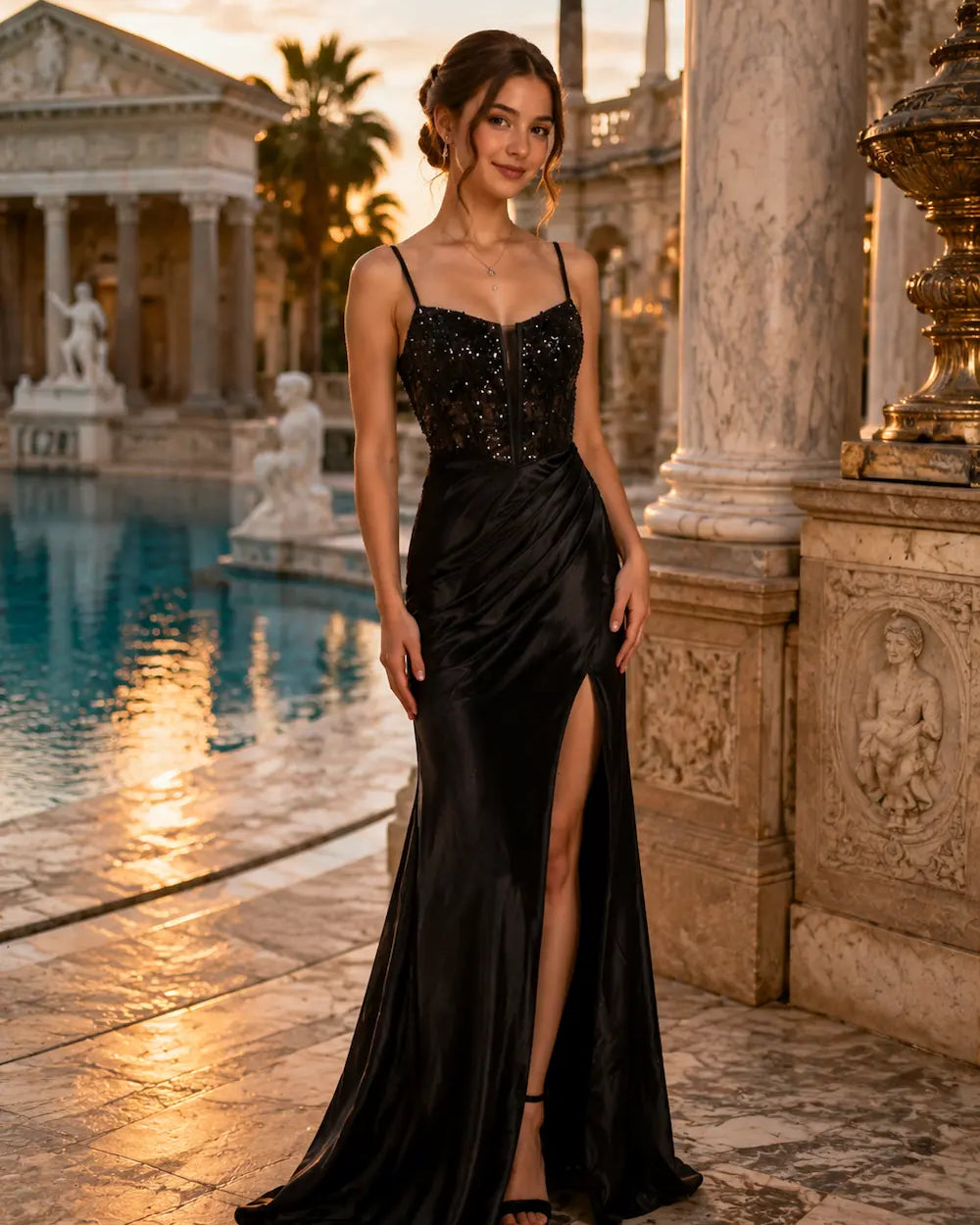
Black-Tie (Strictly Formal): According to formal etiquette, Black-Tie traditionally signals an evening event (post 6:00 PM). For women, this requires a floor-length evening gown. The fabric should be high-end—think heavy-weight satin, velvet, or intricate lace. For men, a tuxedo is mandatory.
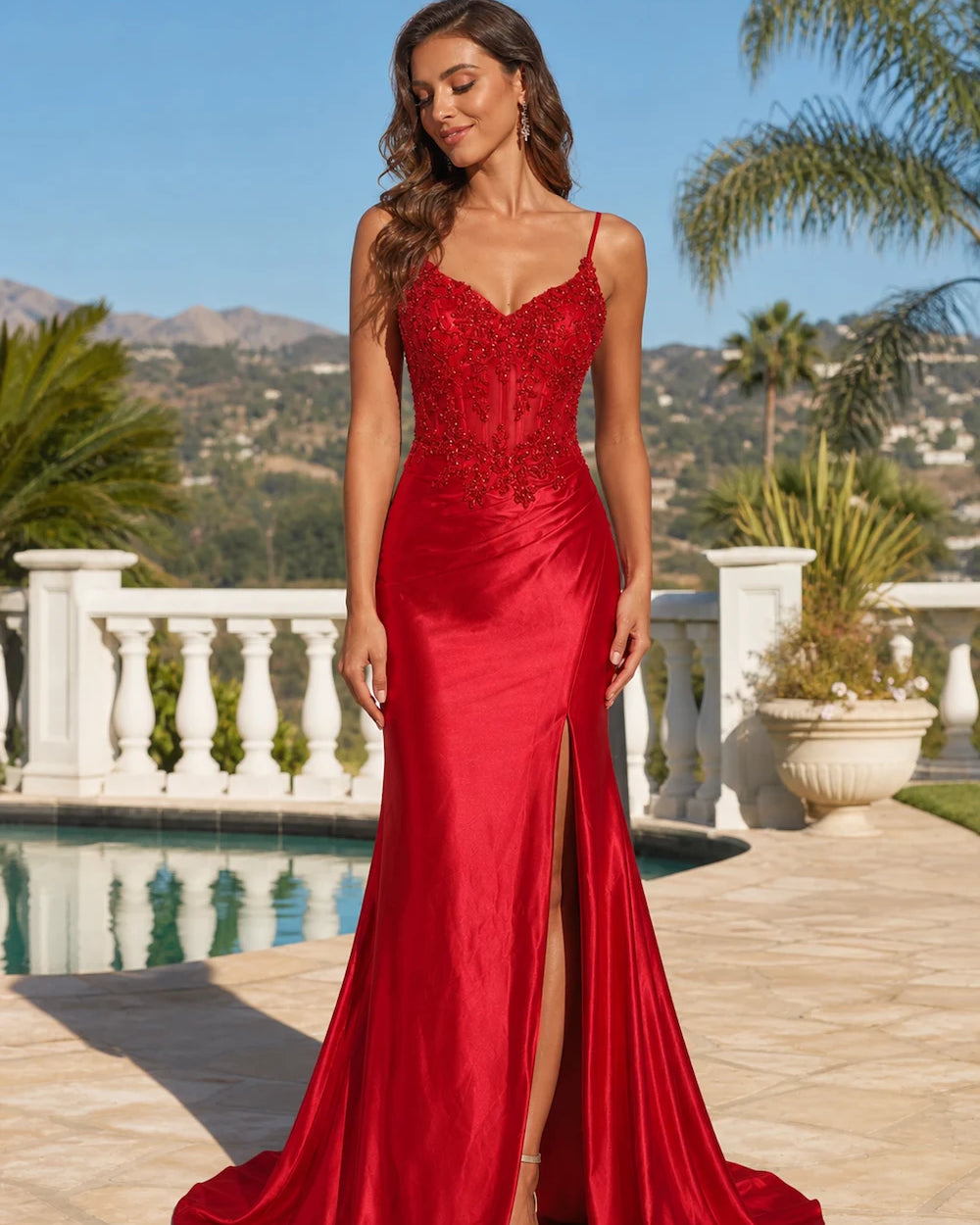
Forma or Black-Tie Optional: This is a modern hybrid. While the wedding party will likely be in floor-length gowns, guests have the flexibility to wear either a formal maxi dress or a very sophisticated cocktail midi. However, a full-length silhouette remains the safest and most respectful choice for evening hotel or ballroom weddings.
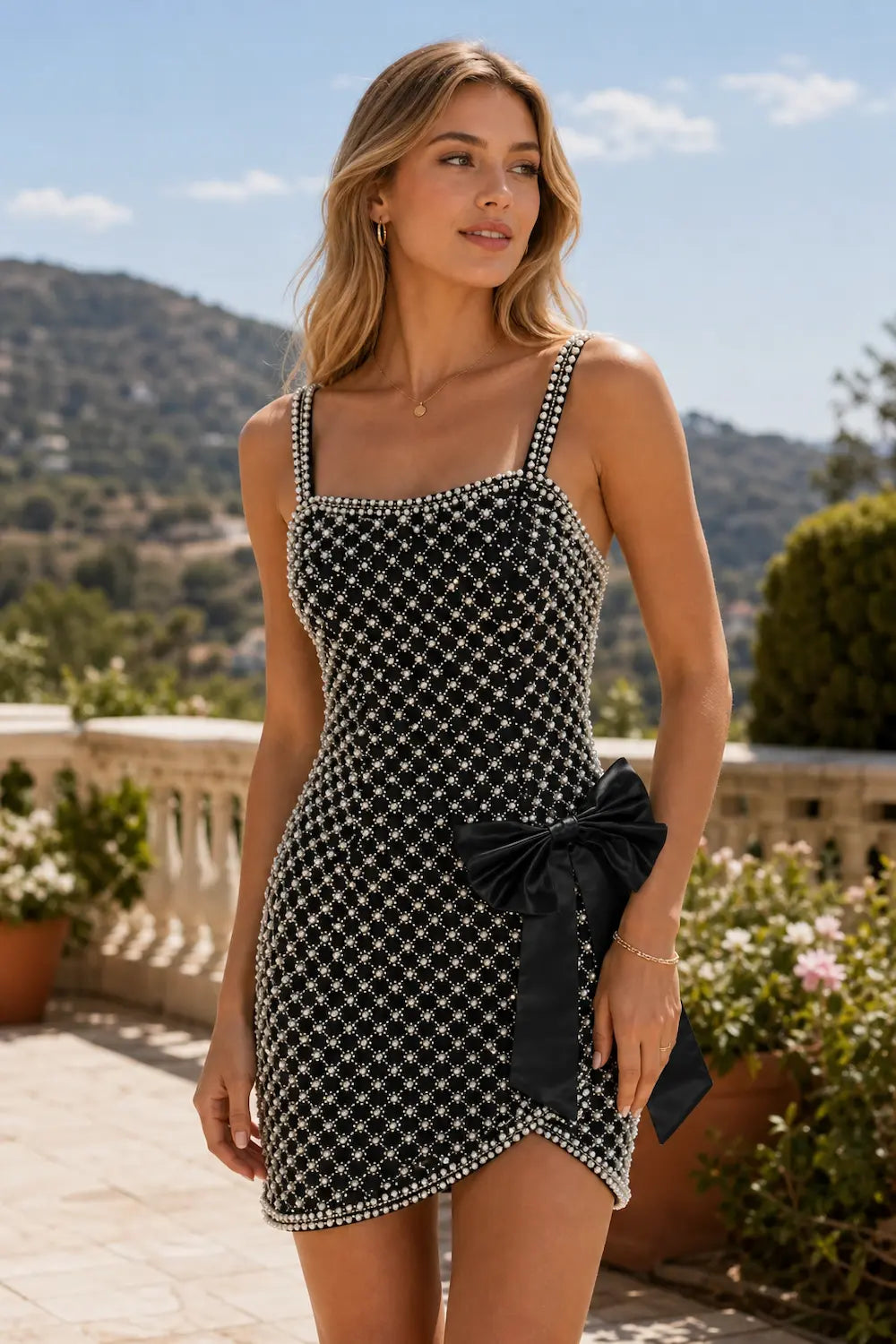
Cocktail Attire: This is the most popular standard for modern weddings. The goal is to bridge the gap between day and night. The "rule of thumb" here is a midi-length hemline. It should be polished and "party-ready" but less structured than a gala gown. Fabrics like chiffon, crepe, and light silk are staples for this category.
Semi-Formal or Garden Casual: Often seen at outdoor or daytime events. This code allows for more relaxed silhouettes, such as A-line sun dresses or high-low hemlines. While the term "casual" is used, wedding etiquette dictates that denim, shorts, and cotton t-shirts are never appropriate unless explicitly stated by the couple.
By aligning your evening gown or formal dress with these established standards, you ensure your look is a seamless contribution to the couple's celebration.
Matching Your Outfit to the Wedding Venue and Environment

The venue is more than just a backdrop—it dictates how your dress will actually "perform" throughout the day. A stunning gown can quickly become a burden if it isn’t practical for the terrain. To stay comfortable and confident, let the environment guide your fabric and footwear choices.
Indoor Ballrooms and Estates: A grand hotel or a historic estate is your chance to embrace full glamour. Since these venues offer climate control and level floors, you can safely opt for structured evening gowns with sweeping trains and your most delicate stilettos. The vibe here is polished, architectural, and high-end.
Gardens, Beaches, and Destination Weddings: Outdoor settings require a more fluid, effortless approach. To navigate grass, sand, or uneven garden paths without losing your grace, swap the stilettos for block heels or elegant flats. Choose breathable, lightweight fabrics that move with the breeze, ensuring you look romantic and perfectly in sync with the natural surroundings.
The Golden Hour Shift: Transitioning from Daytime to Evening Attire
The time of day sets the emotional tone and visual "volume" of your look. A dress that glows under the midday sun might feel too understated for a moonlit toast, so it’s essential to understand the transition from morning light to evening glamour.
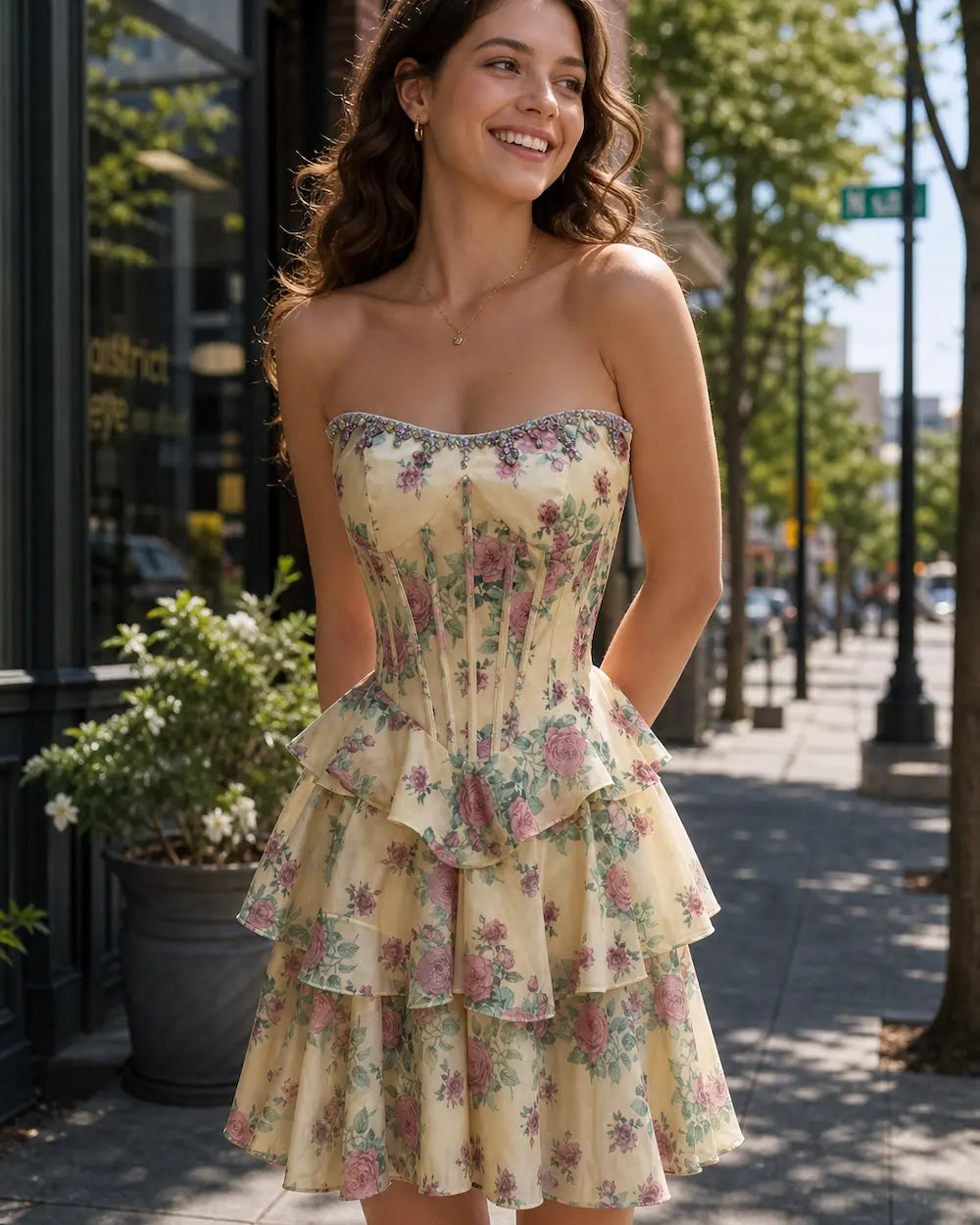
For Daytime Ceremonies: When the sun is high, the aesthetic is all about freshness and effortless grace. We recommend lighter color palettes—think soft pastels, muted florals, and airy fabrics like chiffon or crepe. These materials capture natural light beautifully, ensuring you look polished without feeling overly heavy or dark for a morning or afternoon setting.
For Nighttime Receptions: As the sun sets, the fashion landscape shifts toward high-impact drama. This is the moment for richer jewel tones, shimmering textures, and sophisticated metallics. Evening events are the perfect time to embrace more structured evening gown silhouettes and intricate embellishments that capture the mystery and elegance of a formal night celebration.
Seasonal Style Strategy: Choosing the Best Fabrics for Summer, Fall, and Winter Weddings

Your physical comfort is the secret to staying confident throughout the day. A fabric that ignores the weather will eventually compromise your poise. To ensure you remain effortlessly elegant, your choice should be a direct, strategic response to the wedding season and local climate.
For Spring and Summer Wedding Guests: When the forecast calls for heat, your mission is breathability. Prioritize "airy" fabrics like lightweight silk, organza, and fine lace. These materials are the gold standard for a summer wedding guest look, as they allow for maximum airflow, keeping you cool and fresh during sun-drenched outdoor ceremonies or humid destination weddings.
For Fall and Winter Wedding Attire: Cooler months are your chance to embrace luxury and structure. This is the time for fabrics with real substance—think heavy-weight satins, velvets, and layered brocades. A structured evening gown in these rich materials not only feels regal but also provides the necessary warmth for an autumn garden wedding or a formal winter ballroom event.
Wedding Guest Etiquette: 4 Style Mistakes to Avoid
Wedding guest etiquette is less about rules and more about social awareness. Your formal attire should complement the celebration, not distract from the couple. To ensure you remain effortlessly elegant, avoid these critical fashion pitfalls.
Can You Wear White to a Wedding? Avoiding Bridal Shades
The most important rule in wedding guest fashion is to never wear white, ivory, or cream. These shades are strictly reserved for the bride. In professional wedding photography, even pale champagne can mimic a bridal gown. Choose distinct colors like jewel tones or sophisticated neutrals to ensure the spotlight remains on the couple.
Respecting the Venue: Modesty for Traditional Ceremonies
The venue dictates the appropriate level of modesty. For ceremonies held in religious venues or traditional chapels, avoid excessively revealing cuts—such as deep plunging necklines or extreme cut-outs. If your formal evening gown is daring, the most polished approach is to use an elegant wrap or pashmina during the ceremony.
Avoiding "Main Character" Energy: Skip Neons and Trains
Don't compete with the bridal party for attention. Avoid neon colors, loud patterns, or dramatic floor-length trains that mimic bridal couture. When browsing prom or formal collections, prioritize "understated luxury." Your goal is to be noticed for your sophisticated taste, not for overshadowing the newlyweds.
Choosing Flash-Friendly Fabrics for Wedding Photos
Low-quality fabrics often react poorly to a camera flash, appearing transparent or overly shiny. To look your best in the wedding album, prioritize opaque, premium materials like heavy satin, silk crepe, or mikado. These high-end fabrics hold their shape and maintain a rich, matte finish in every light.
Choosing the Best Gown Silhouette and Length for Every Dress Code

Selecting the perfect formal dress is a balance of respecting the couple’s dress code and enhancing your natural proportions. The length and structure of your gown should reflect the formality of the event while ensuring you remain comfortable throughout the celebration.
Black-Tie and Formal Weddings: The Elegance of Floor-Length Gowns
For a Black-Tie wedding, floor-length dresses are the non-negotiable standard. To achieve a high-end look, prioritize structured bodices, elegant draping, and refined fabrics that hold their shape.
Pro Tip: Satin evening gowns and flowy chiffon formal dresses are the most reliable choices. These silhouettes, often found in modern luxury prom collections, balance regal aesthetics with the movement needed for the dance floor.
Semi-Formal and Cocktail Weddings: Embracing Midi and Tea-Length Styles
When the dress code is Semi-Formal or Cocktail, you have more flexibility. Midi-length dresses or streamlined, ankle-length silhouettes are ideal. Look for simple shapes and minimal embellishment to maintain a sophisticated yet relaxed vibe.
Pro Tip: Focus on fabrics with soft movement, such as silk-touch finishes or lightweight crepe, which transition perfectly from an outdoor ceremony to an indoor reception.
Choosing the Right Silhouette for Your Body Type
To look your best in wedding photography, match the silhouette to your frame. A-line dresses are universally flattering, creating a balanced waistline, while mermaid silhouettes are perfect for emphasizing curves in a formal setting. If you’re attending a summer garden wedding, a refined empire waist in lightweight fabric offers both comfort and a lengthening effect.
Choosing High-Quality Fabrics for Formal Wedding Attire
In the world of formal fashion, fabric choice is more important than passing trends. The material of your evening gown doesn't just dictate your comfort—it determines the overall formality of your look and how it performs in different environments.
Satin: The Best Fabric for Black-Tie and Evening Events
Satin formal dresses are the gold standard for high-end, indoor celebrations. Known for its smooth, reflective finish, heavy-weight satin offers a structured, regal silhouette that looks exceptionally expensive under ballroom lighting. It is a timeless choice for anyone seeking a polished, sophisticated aesthetic for a Black-Tie wedding.
Chiffon: Ideal for Outdoor and Destination Weddings
For summer garden weddings or beach ceremonies, chiffon dresses are the premier choice. Chiffon provides a sense of lightness and fluid movement that keeps you cool in humid climates. Its ethereal, breezy quality ensures you remain elegant while offering the breathability required for outdoor celebrations.
Tulle and Layered Fabrics: Adding Subtle Dimension
While often associated with prom dresses, tulle and layered fabrics can be perfectly appropriate for weddings when styled with restraint. To maintain a sophisticated wedding guest look, opt for fine, soft tulle rather than overly voluminous silhouettes. Layered designs add depth and a romantic touch, making them ideal for romantic, semi-formal settings.
Camera-Ready Texture: Why Fabric Quality Affects Wedding Photos
Professional wedding photography captures every detail of a garment’s texture. High-quality materials like crepe, silk, and Mikado photograph beautifully because they absorb and reflect light consistently. Choosing these fabrics ensures that your formal wedding outfit looks just as stunning in the professional wedding album as it does in person.
Preparation Timeline: When to Finalize Your Wedding Guest Outfit
Timing is as important as the dress itself. To ensure your formal gown fits perfectly and your look is cohesive, follow this professional countdown.
The 3–4 Week Rule: Starting Your Search Early
Start finalizing your evening dress choices at least 3 to 4 weeks before the wedding. This window allows you to browse the latest formal collections and secures your size before it sells out, especially during peak wedding seasons.
Leave Time for Professional Tailoring and Hemming
Most long formal dresses require minor adjustments to achieve a bespoke fit. Whether it’s a simple hemming for height or a bodice adjustment, professional tailoring usually takes 1–2 weeks. Never leave alterations until the last minute, as high-end fabrics like satin or crepe require delicate handling.
The Footwear and Accessory "Road Test"
Try on your shoes at least a week in advance to ensure comfort. Long gowns rely on the correct heel height to prevent tripping. Finalize your jewelry and clutch choices early to avoid last-minute mismatches that could disrupt the elegance of your wedding guest attire.
Choosing a Versatile Formal Gown You Can Wear Again
Many guests prefer investing in formal dresses that aren't limited to a single occasion. A timeless evening gown can easily transition between weddings, black-tie events, and other special celebrations.
This versatility is why savvy guests often select designs from modern prom collections or classic eveningwear—these silhouettes are expertly crafted for high-end formal settings, ensuring they remain stylish and relevant long after the wedding day.
By prioritizing high-quality fabrics like satin or crepe, you can build a formal wardrobe that offers long-term value and effortless elegance.
Top Questions About Wedding Guest Attire

Can I wear a prom-style dress to a formal wedding?
Yes, you can. Many long formal dresses from modern prom collections are indistinguishable from high-end eveningwear. The key is to choose a sophisticated silhouette—such as an A-line or mermaid cut—and opt for refined fabrics like heavy satin or chiffon. Avoid overly "theatrical" designs to ensure your look remains elegant and wedding-appropriate.
What colors are considered disrespectful for a wedding guest?
Aside from the absolute ban on white, ivory, and cream, you should avoid neon shades or anything that mimics the bridal party's colors. In wedding photography, extremely pale pastels can often wash out and look white. To stay safe, choose rich jewel tones or classic neutrals that contrast clearly with a traditional wedding gown.
Is it better to be overdressed or underdressed for a wedding?
It is almost always better to be slightly overdressed. For an evening or formal wedding, being underdressed can appear disrespectful to the couple’s dress code. If the invite is vague, a sleek evening gown is a reliable "safe bet" that shows you value the significance of the occasion.
How do I know if my dress is "too formal" for the event?
A dress is likely too formal if it features a dramatic floor-length train, excessive sequins, or a "ballroom" volume that competes with the bride. Unless the event is explicitly Black-Tie, skip the high-drama couture and stick to streamlined eveningwear that embodies understated luxury.
How can I style a formal gown to wear it to multiple weddings?
The secret to rewearing a formal dress is versatile accessorizing. By switching from a bold statement necklace to minimalist gold jewelry, or changing your hairstyle from a sleek updo to soft waves, you can completely transform a classic formal gown for different social circles and venues.
Choosing a Timeless Wedding Guest Gown with Confidence
Finding the perfect wedding guest outfit shouldn't feel like a chore. At its core, your choice is about showing respect for the couple while feeling like the best version of yourself. By considering the venue, respecting traditional etiquette, and prioritizing high-quality fabrics like satin or chiffon, you can arrive at any celebration feeling elegant and prepared.
Ultimately, the best formal evening gown is one that allows you to focus on the joy of the day—not your hemline. Whether you choose a timeless silhouette you can wear again or a modern formal dress that matches the season, your confidence will always be your best accessory.