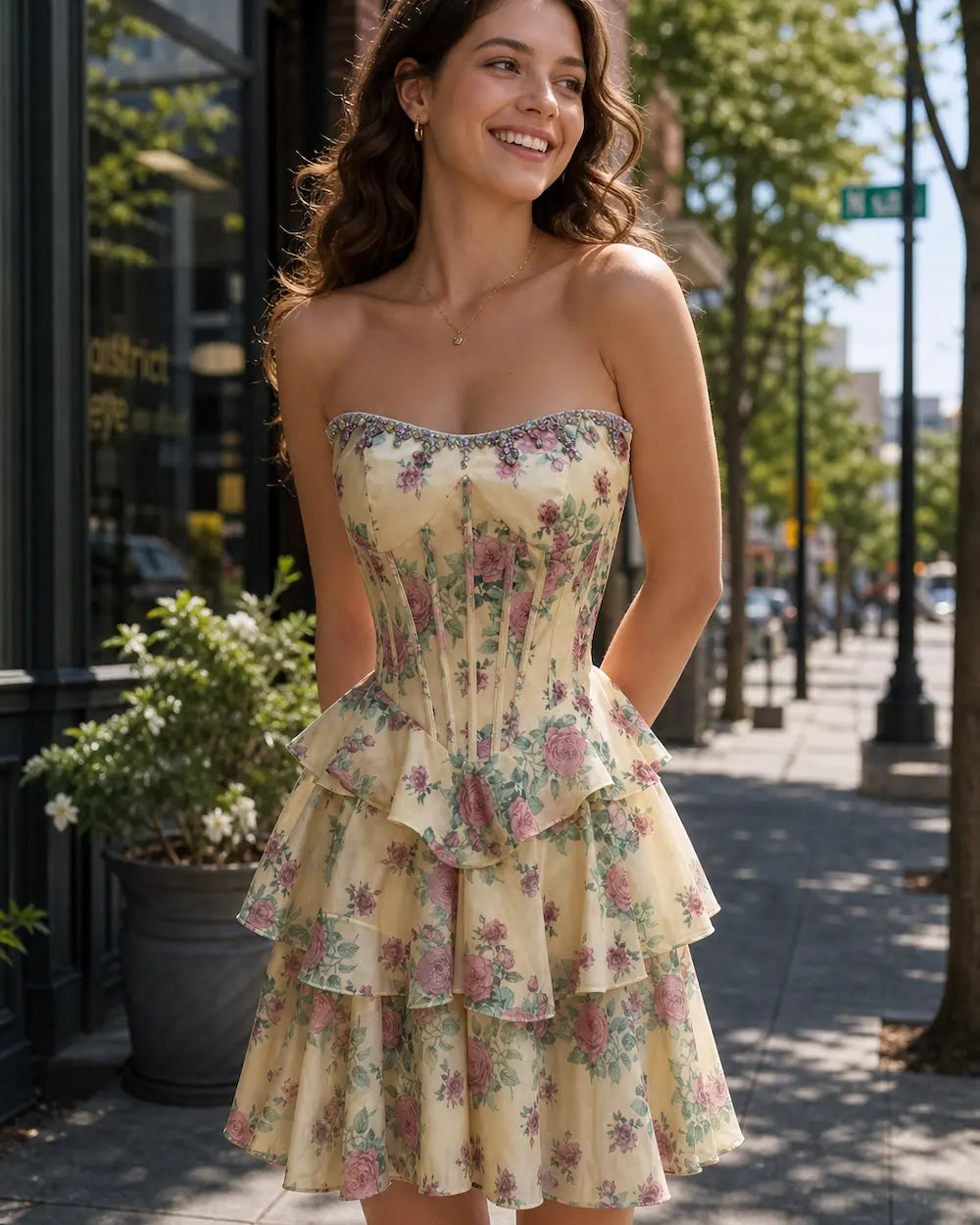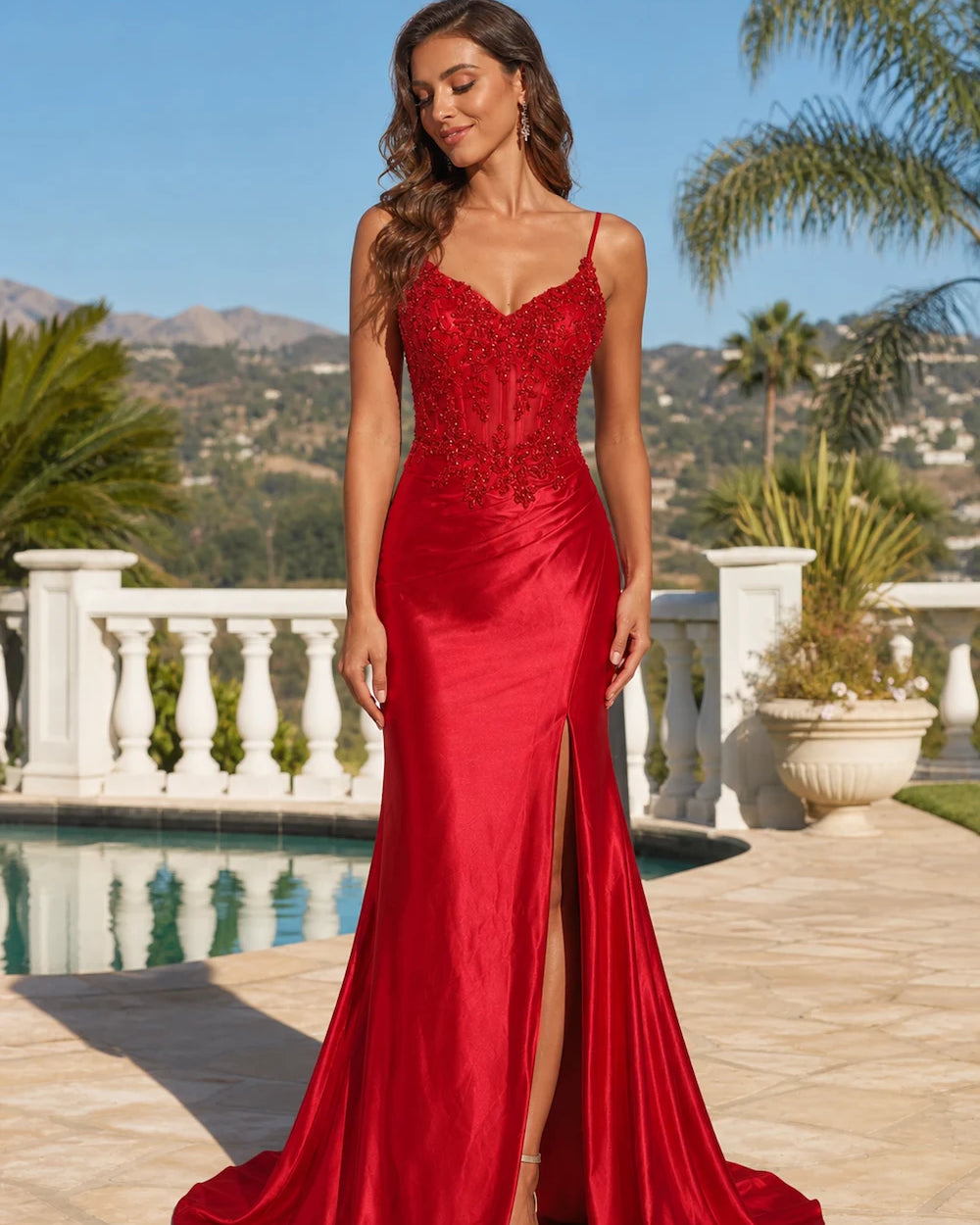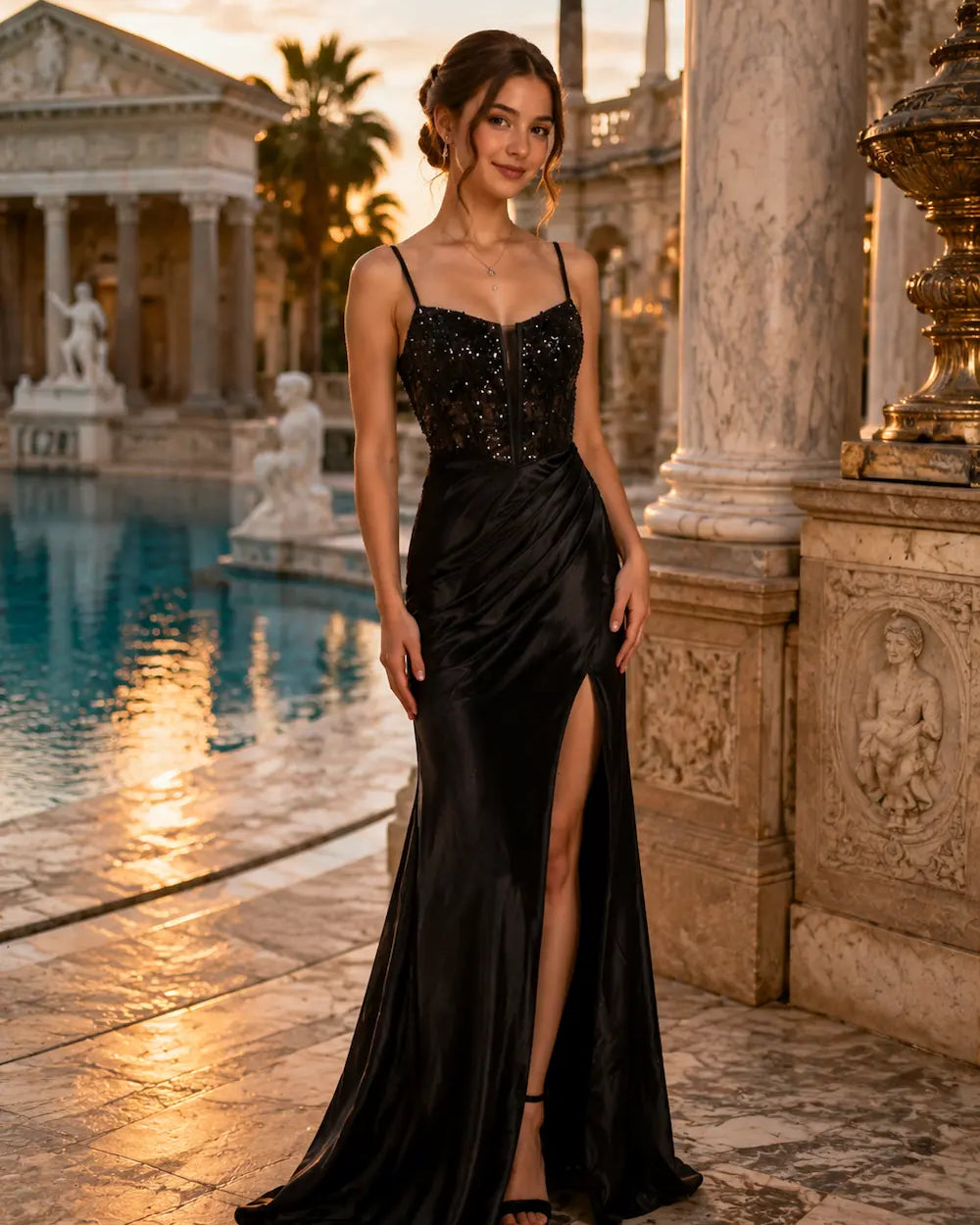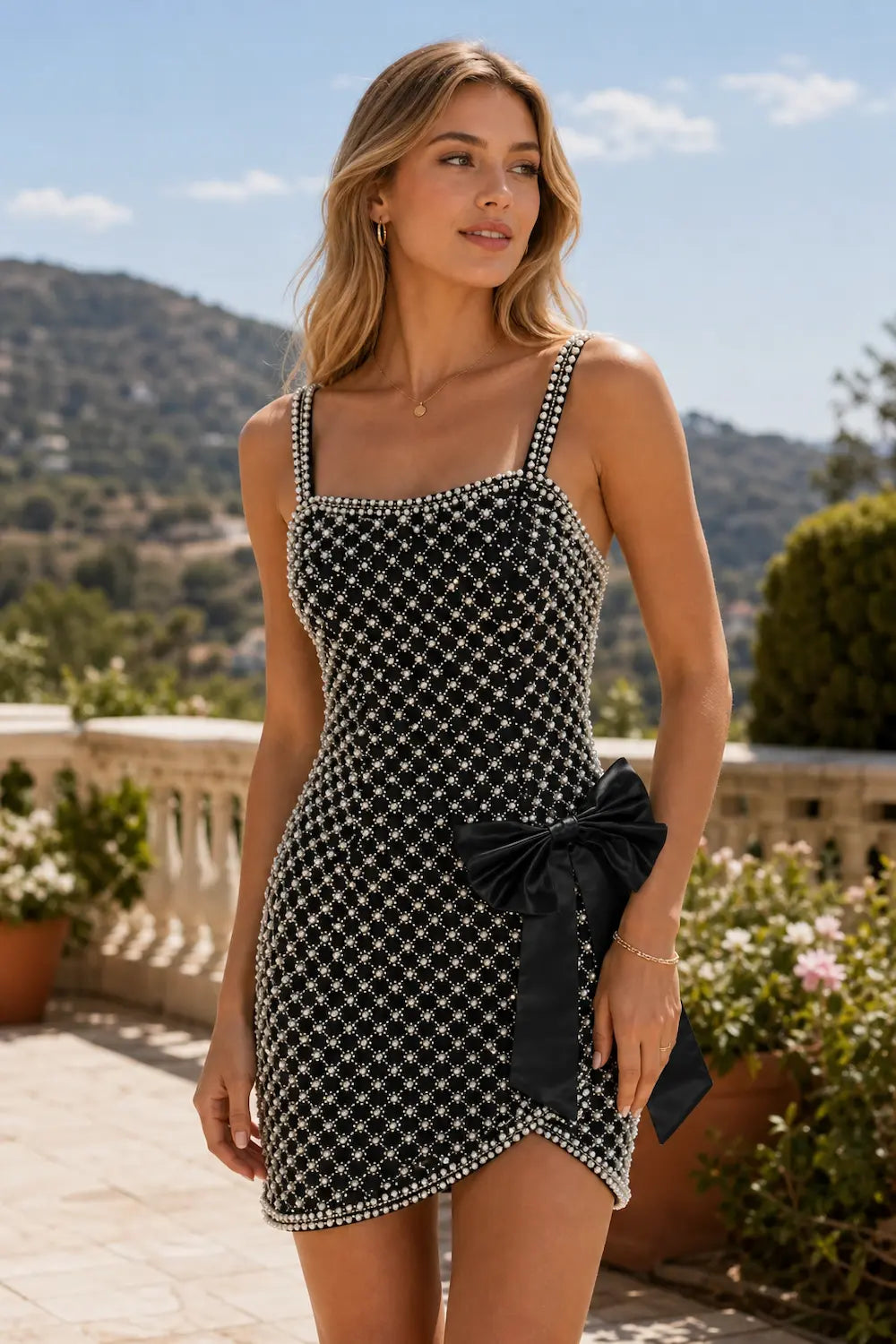

Mother of the Bride Dresses
Discover elegant Mother of the Bride Dresses designed for weddings, formal celebrations, and special occasions. Explore flattering silhouettes, graceful fabrics, and timeless details that help every mother look polished, confident, and beautifully dressed for the big day.
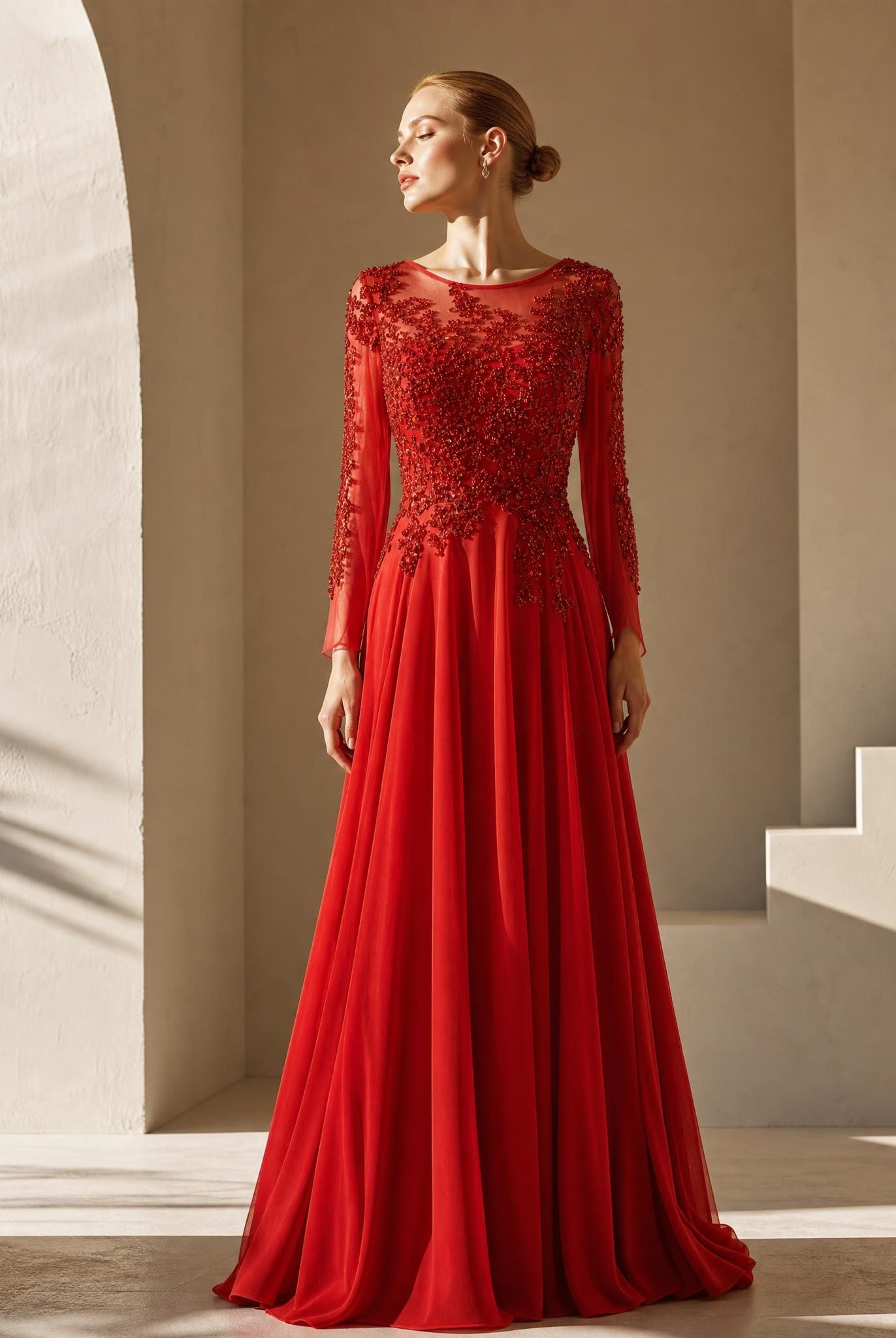
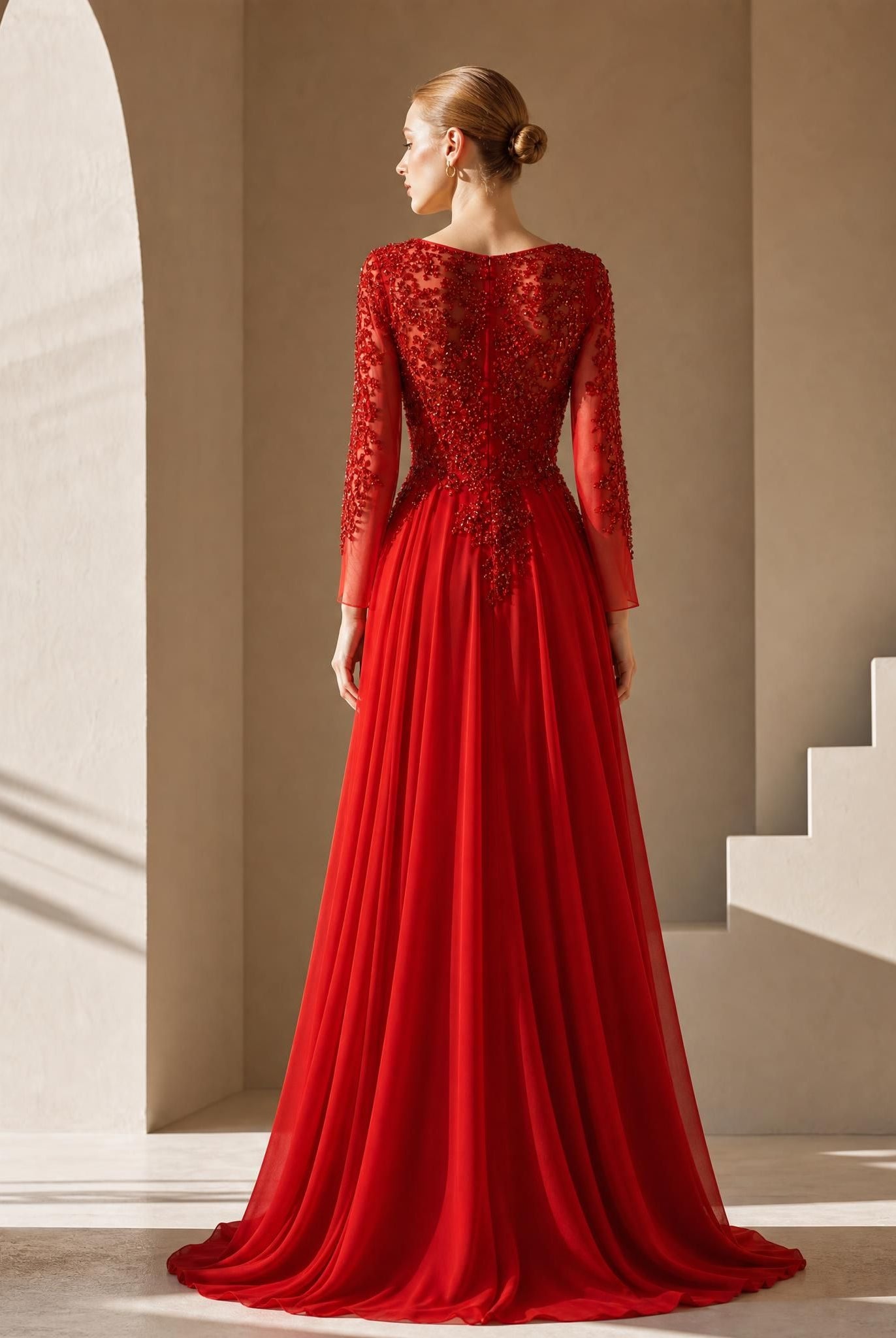
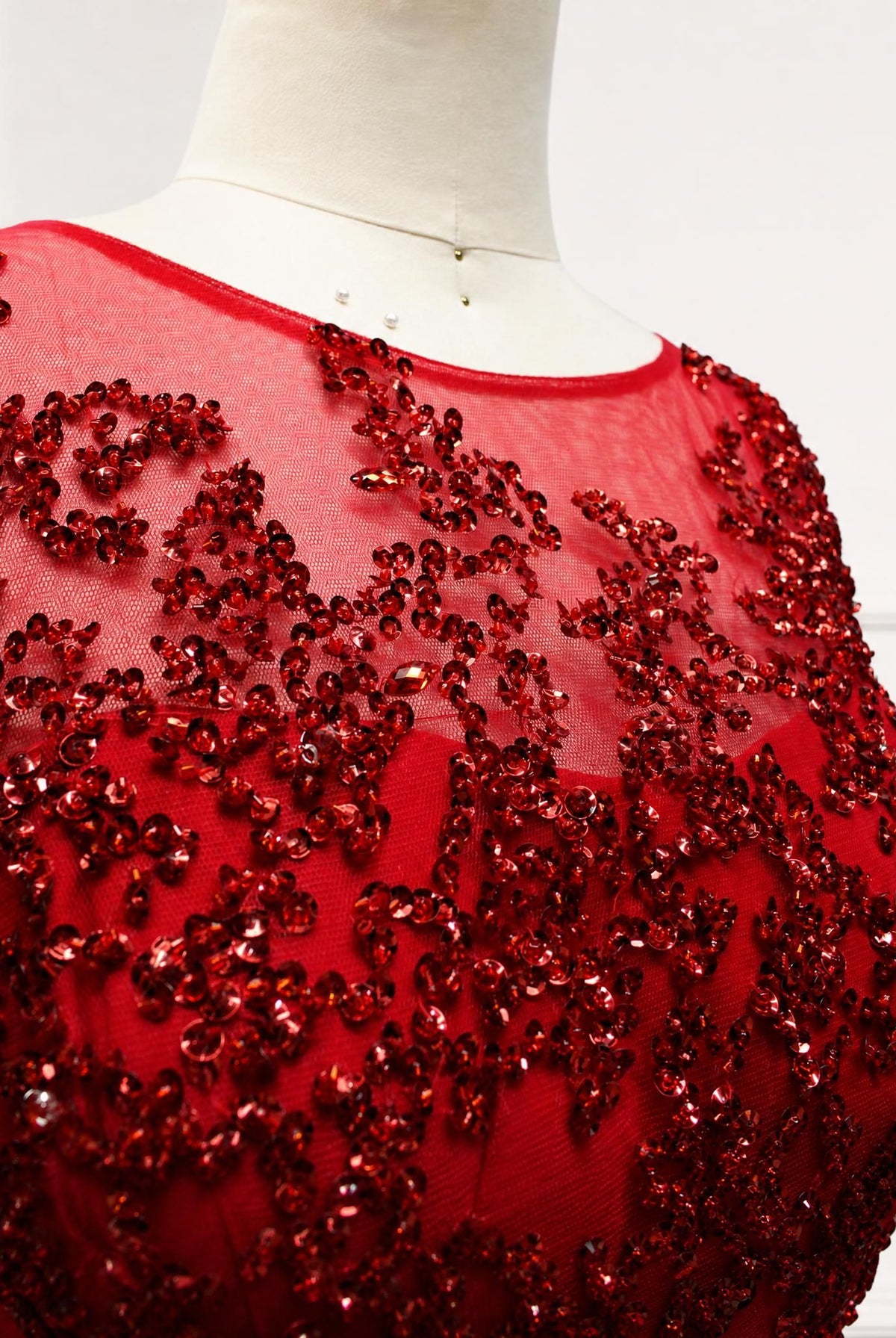
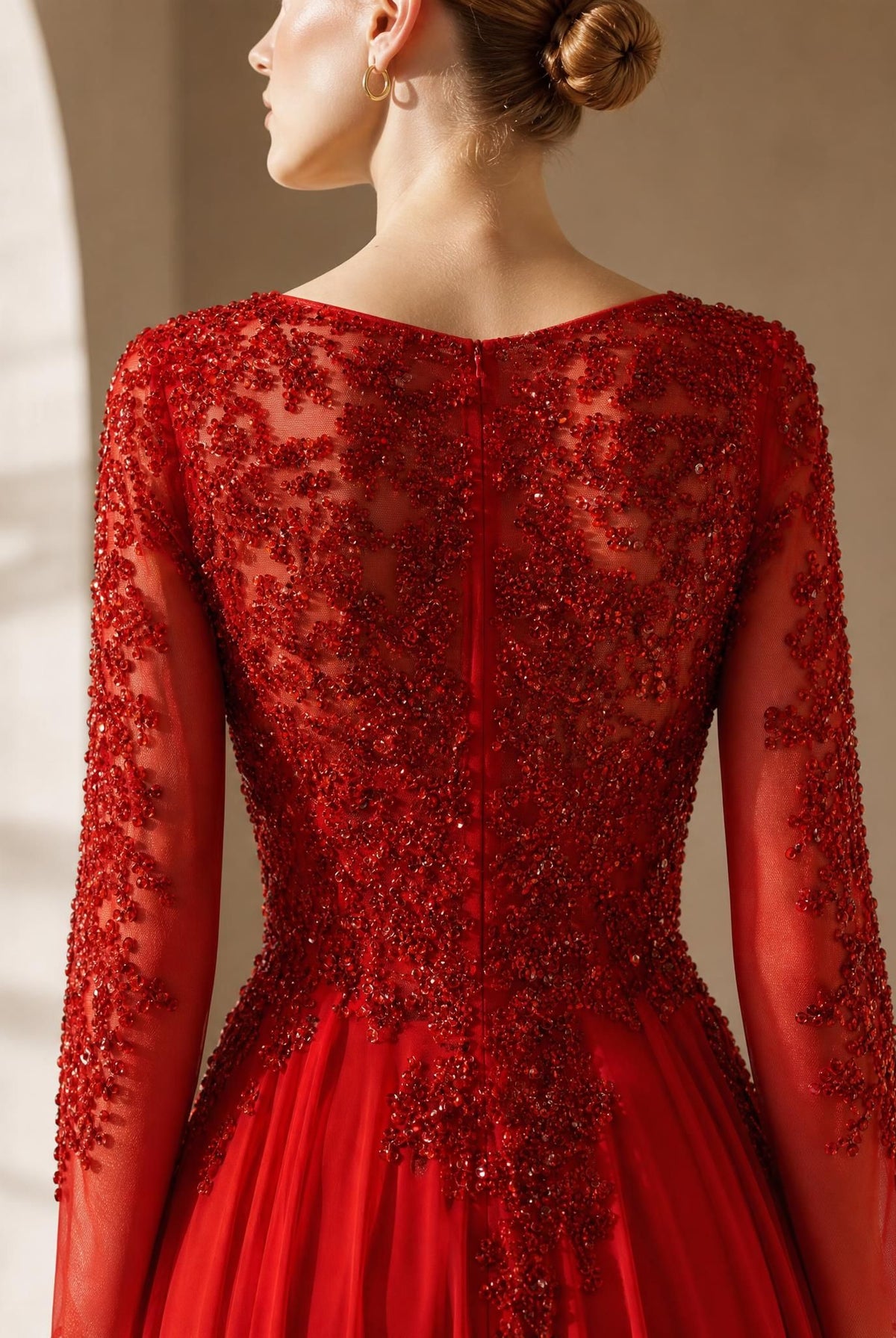
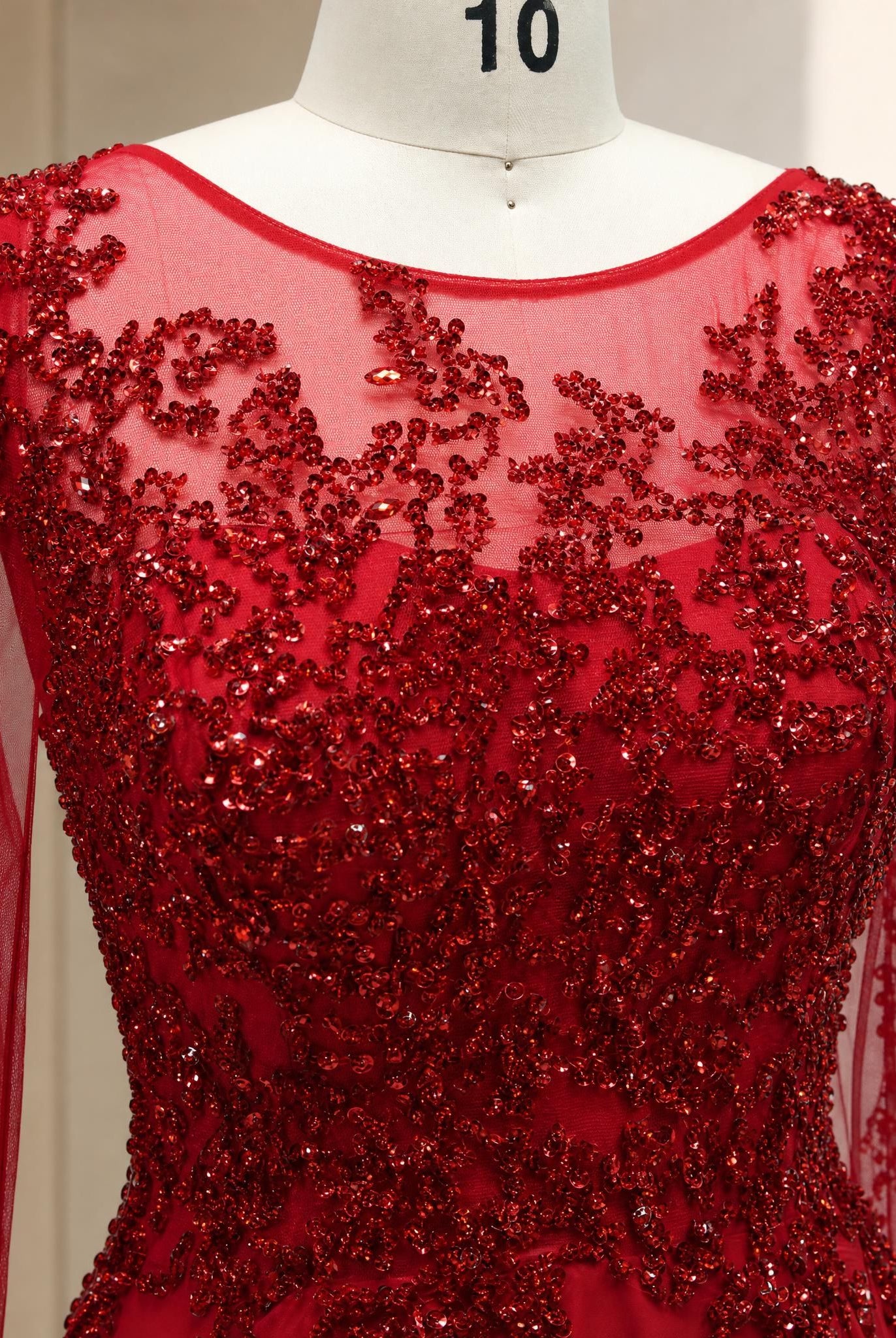
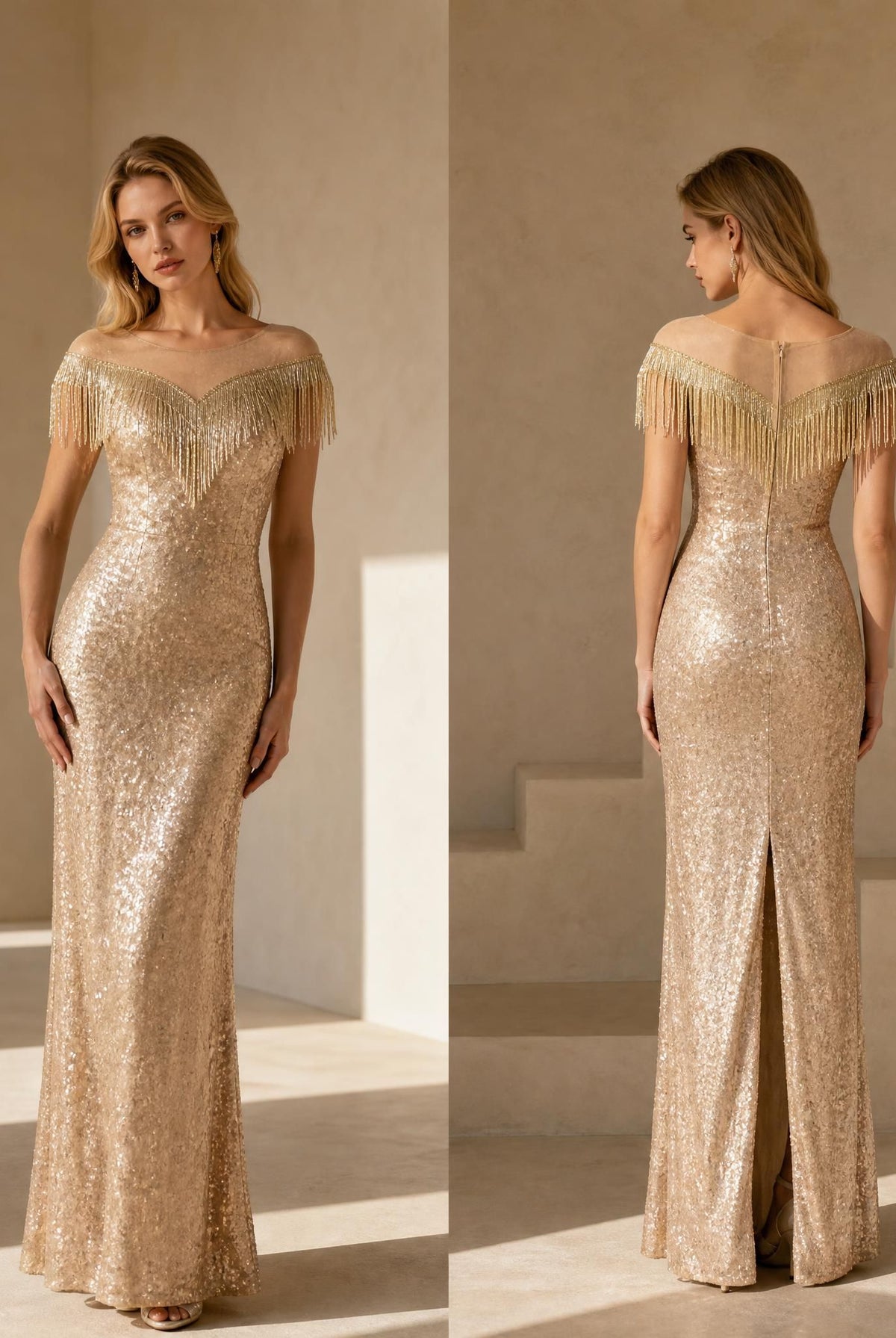
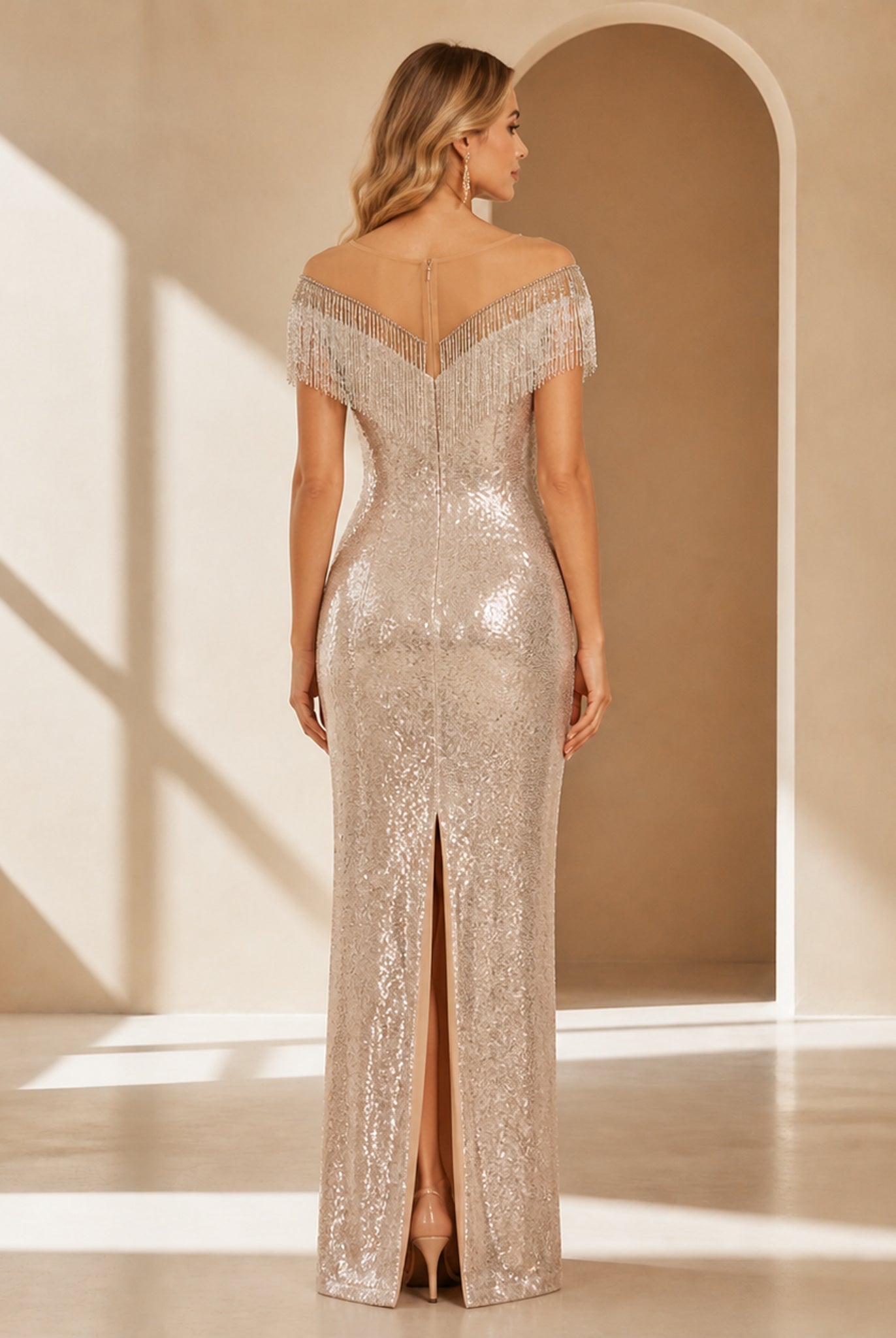
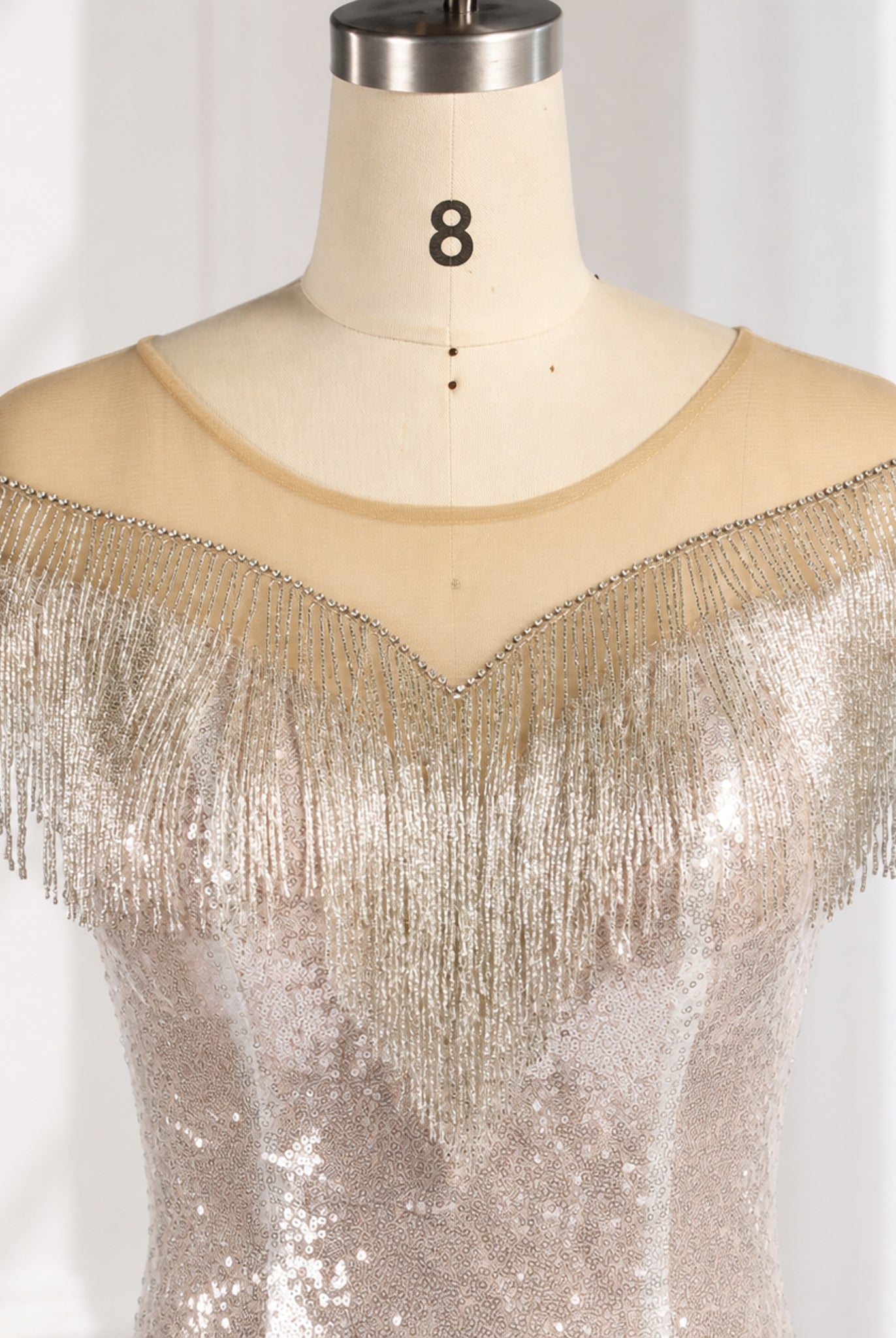
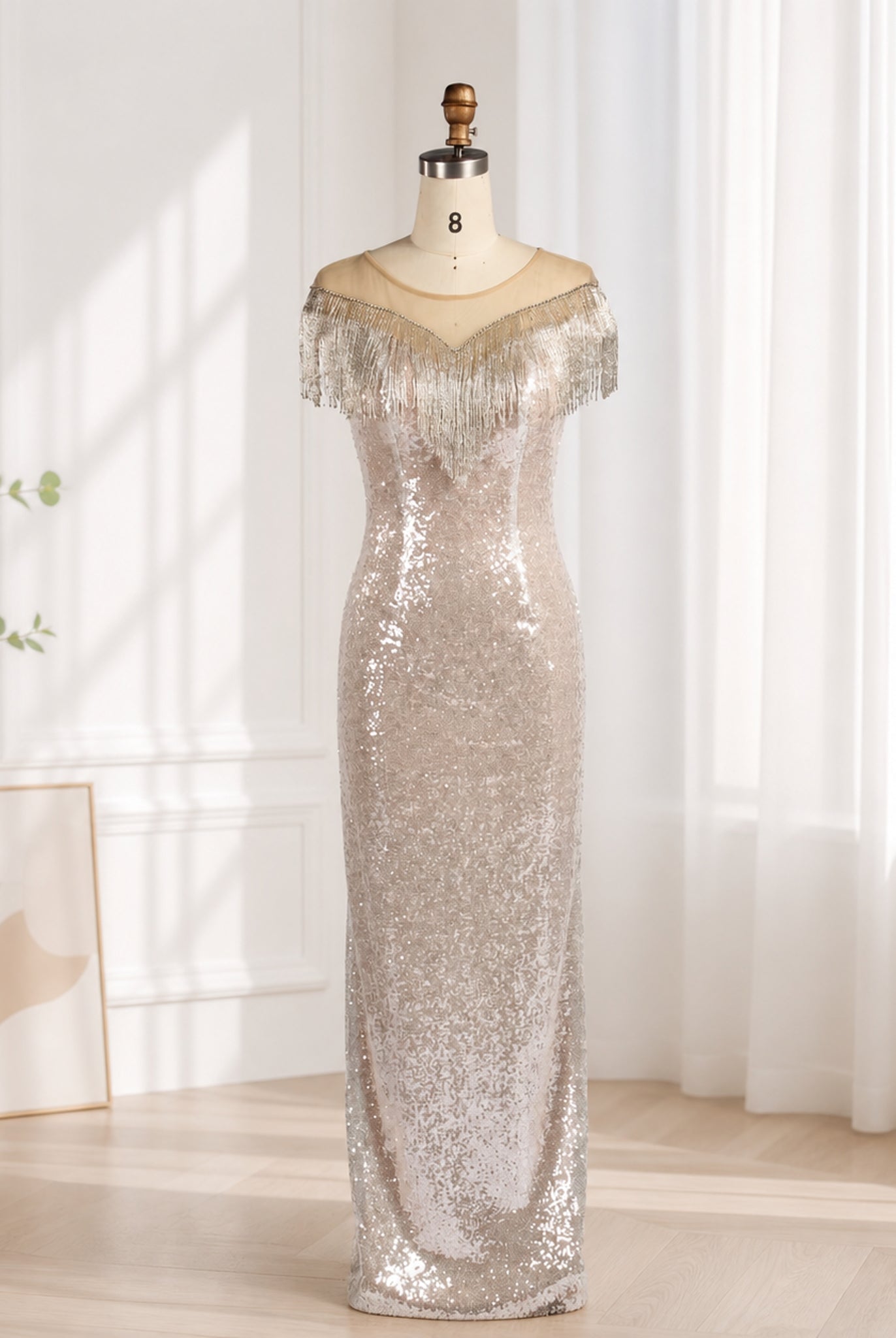
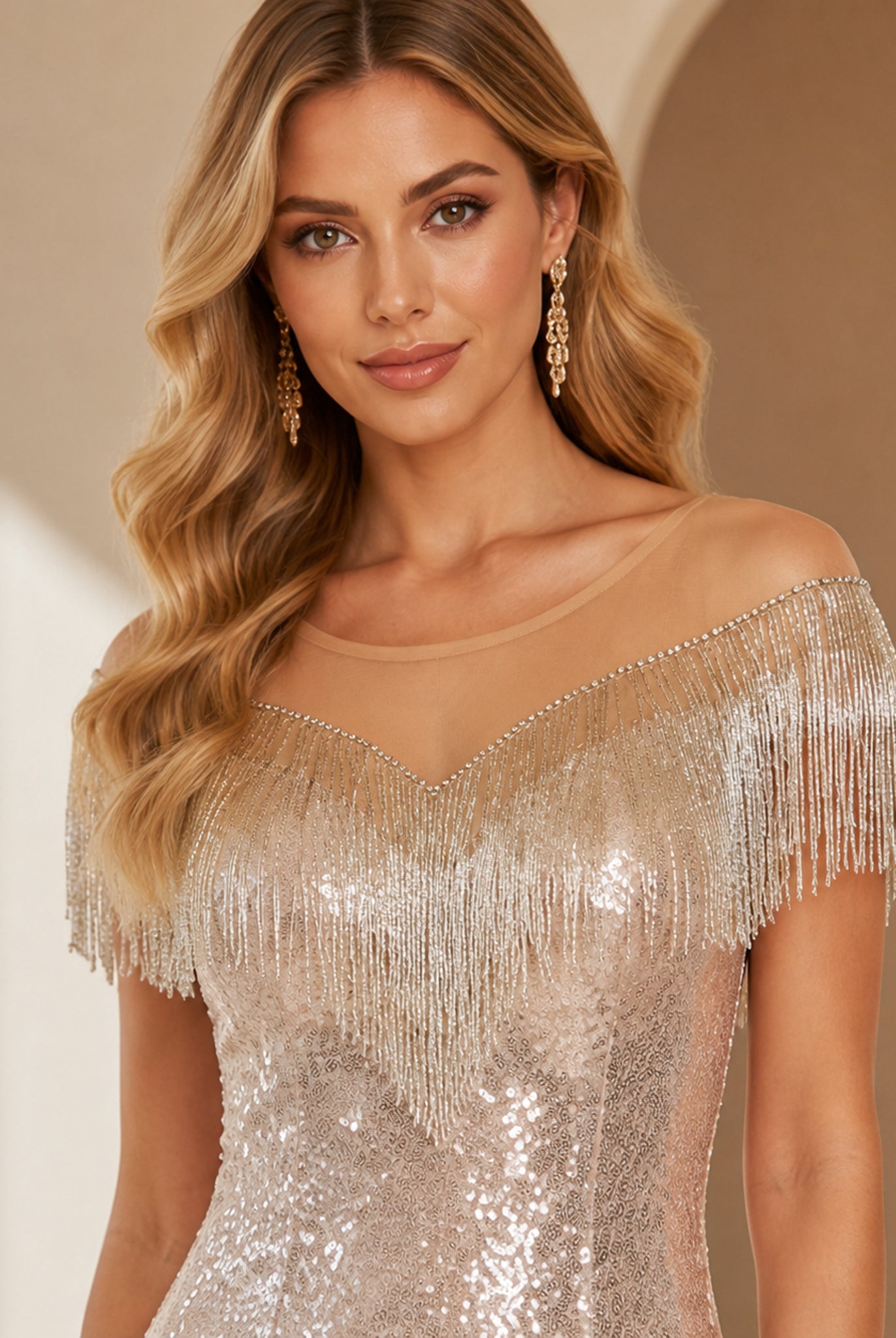
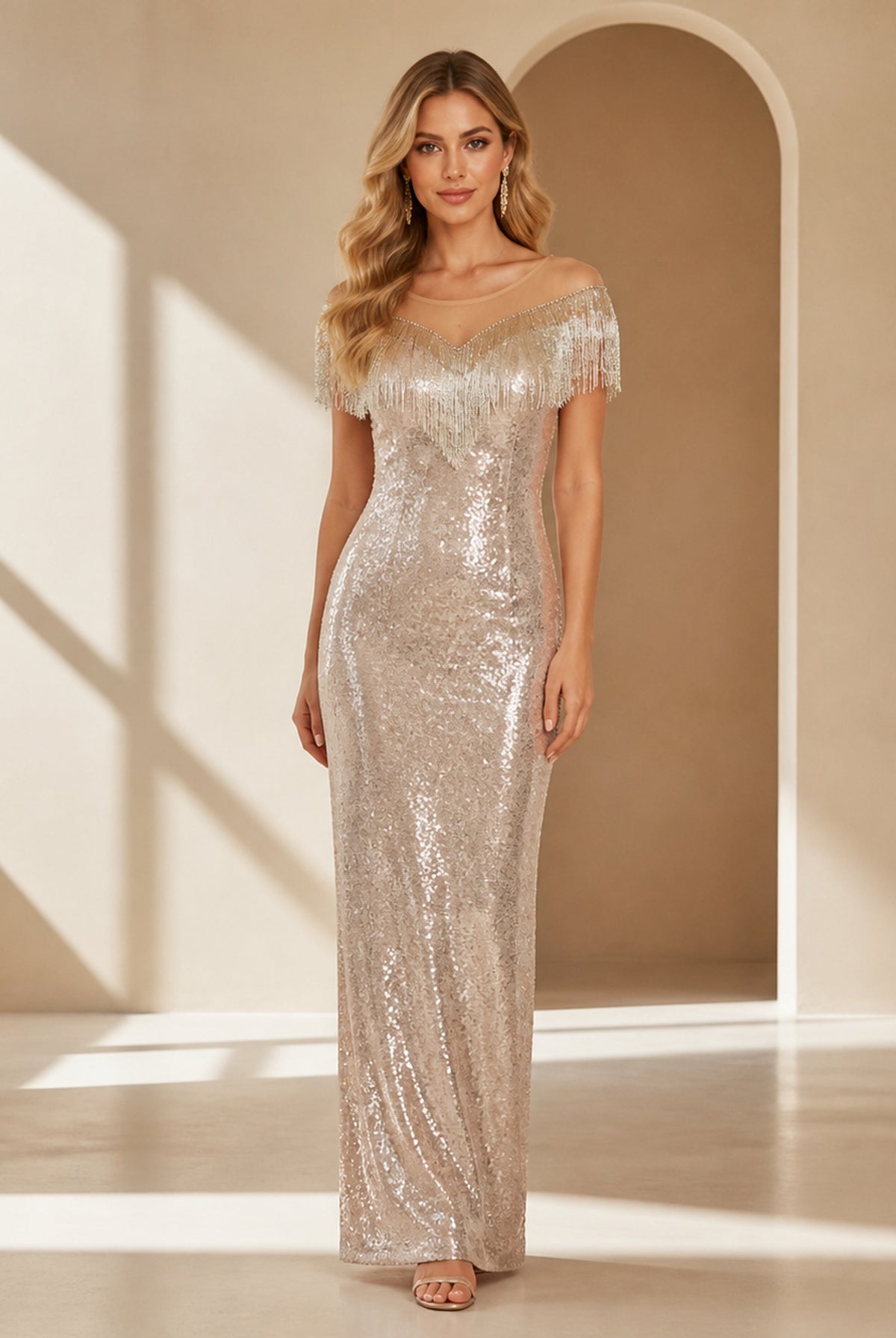
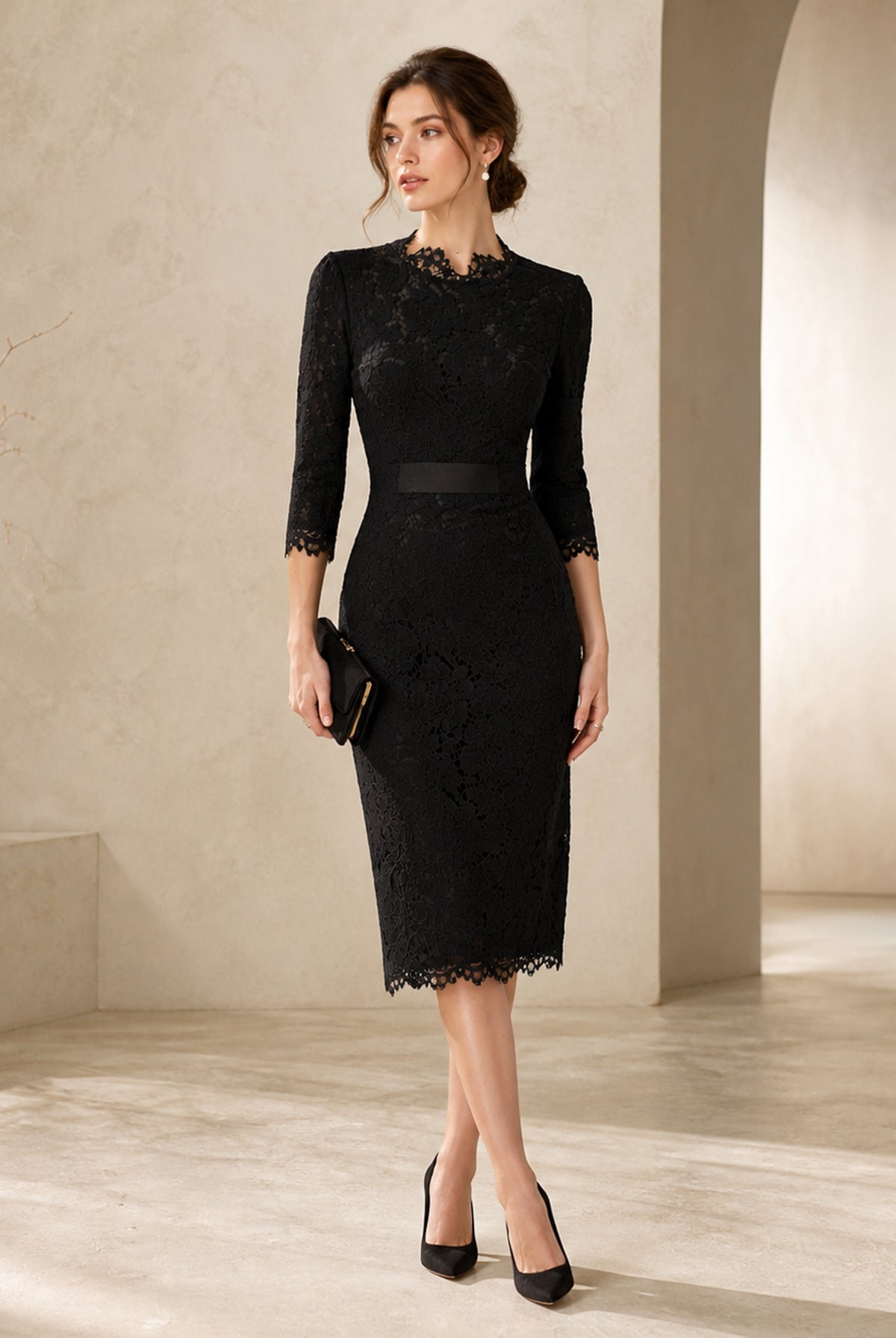
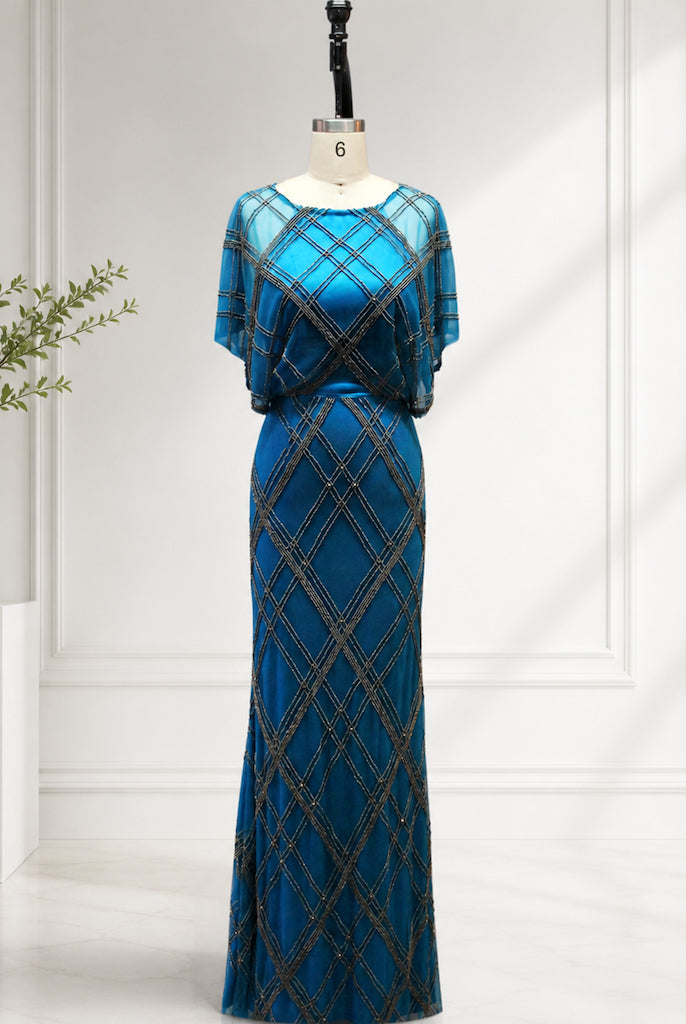
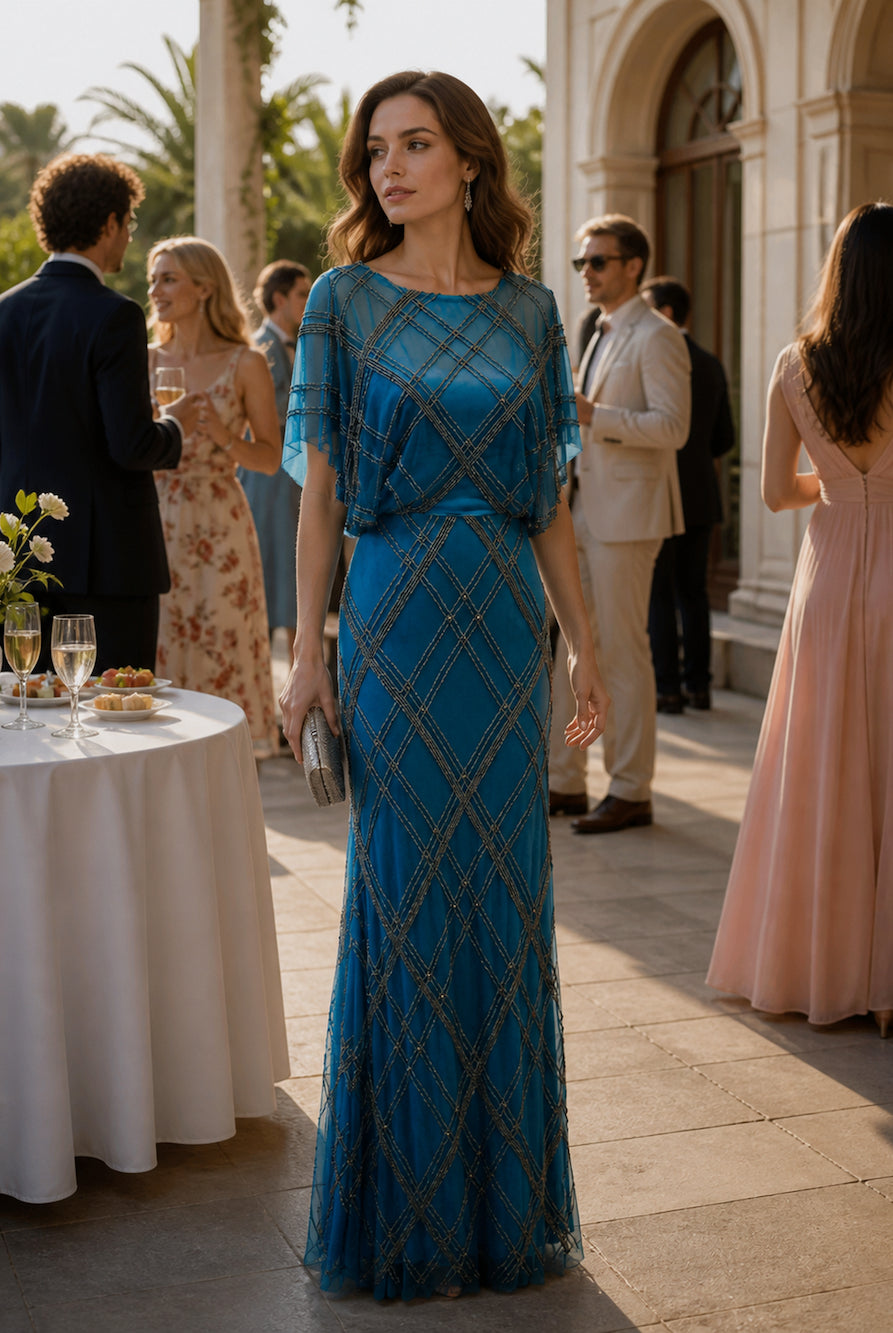
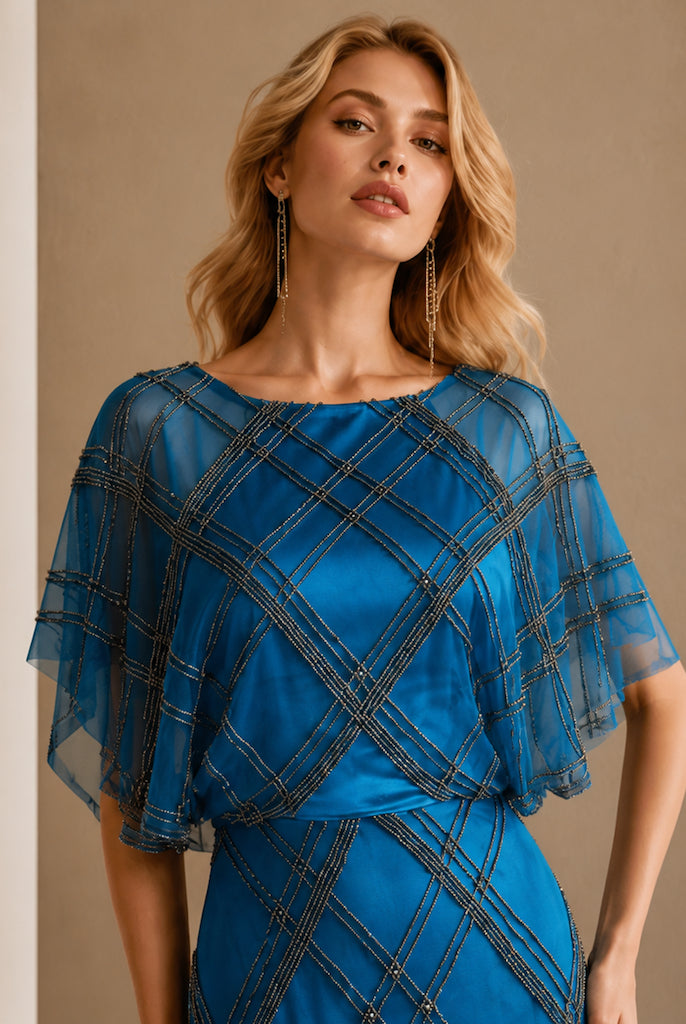
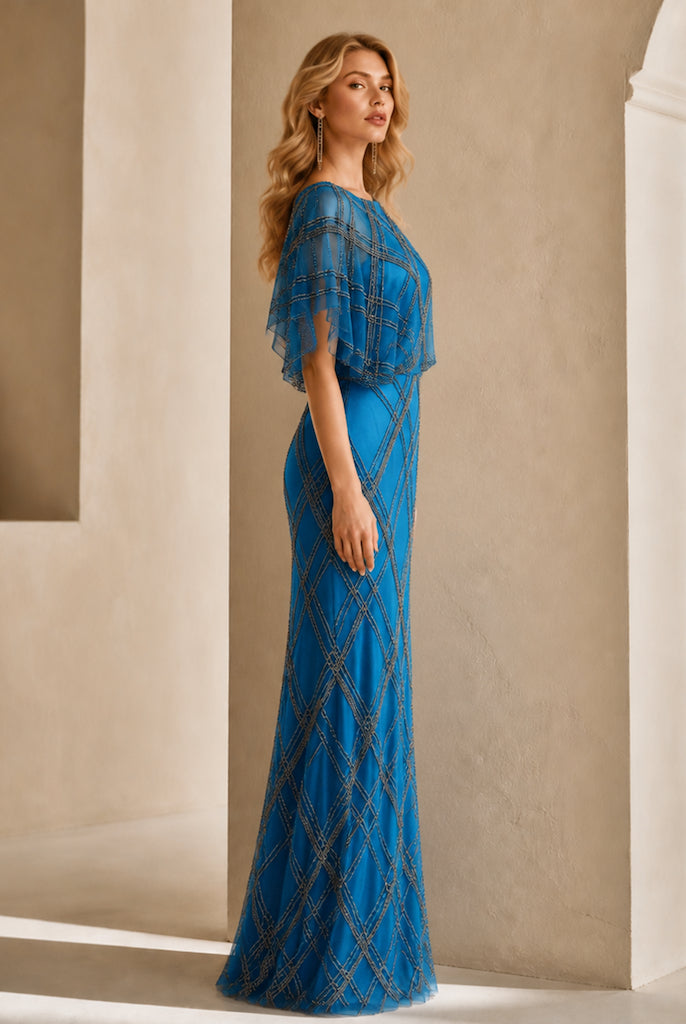
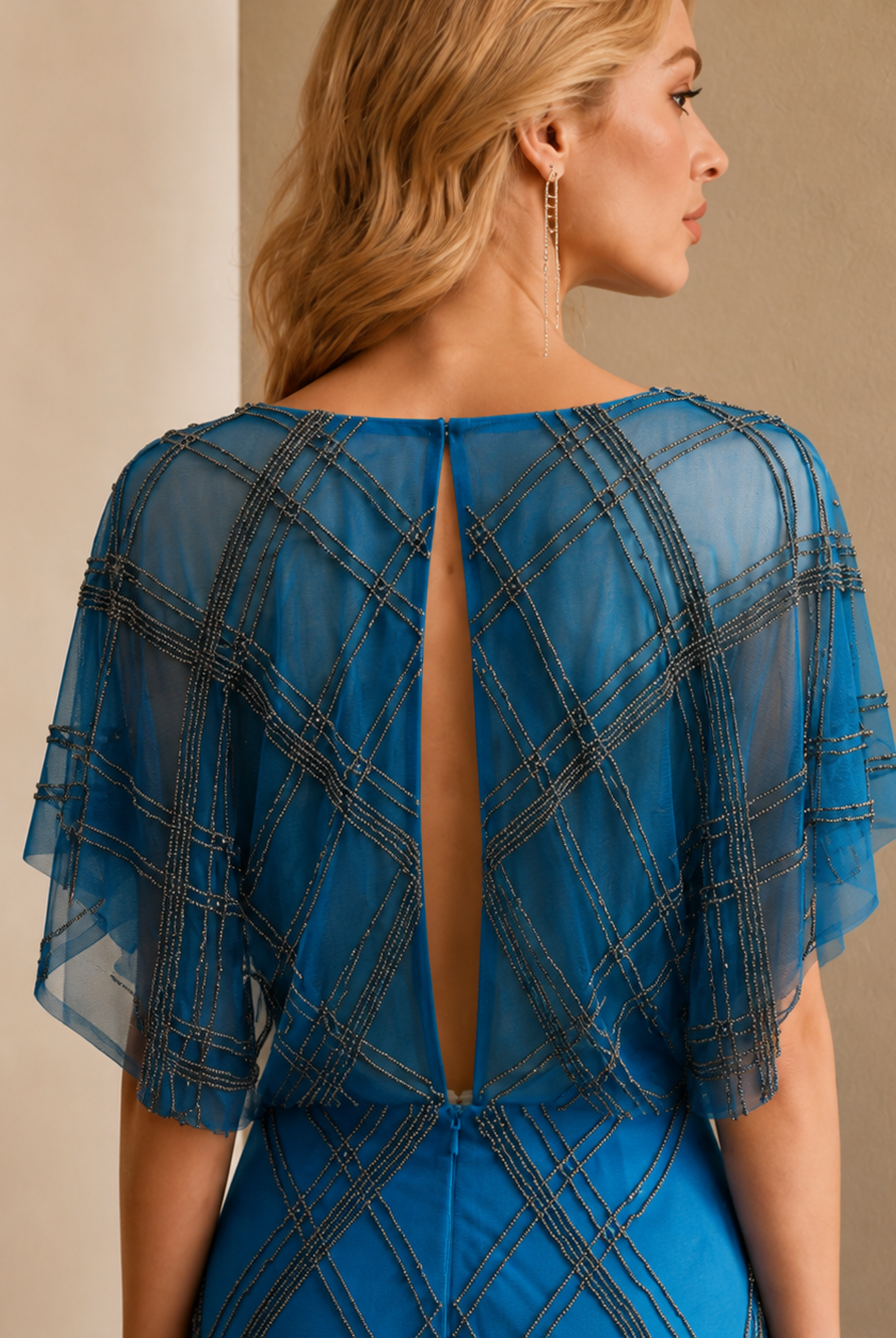
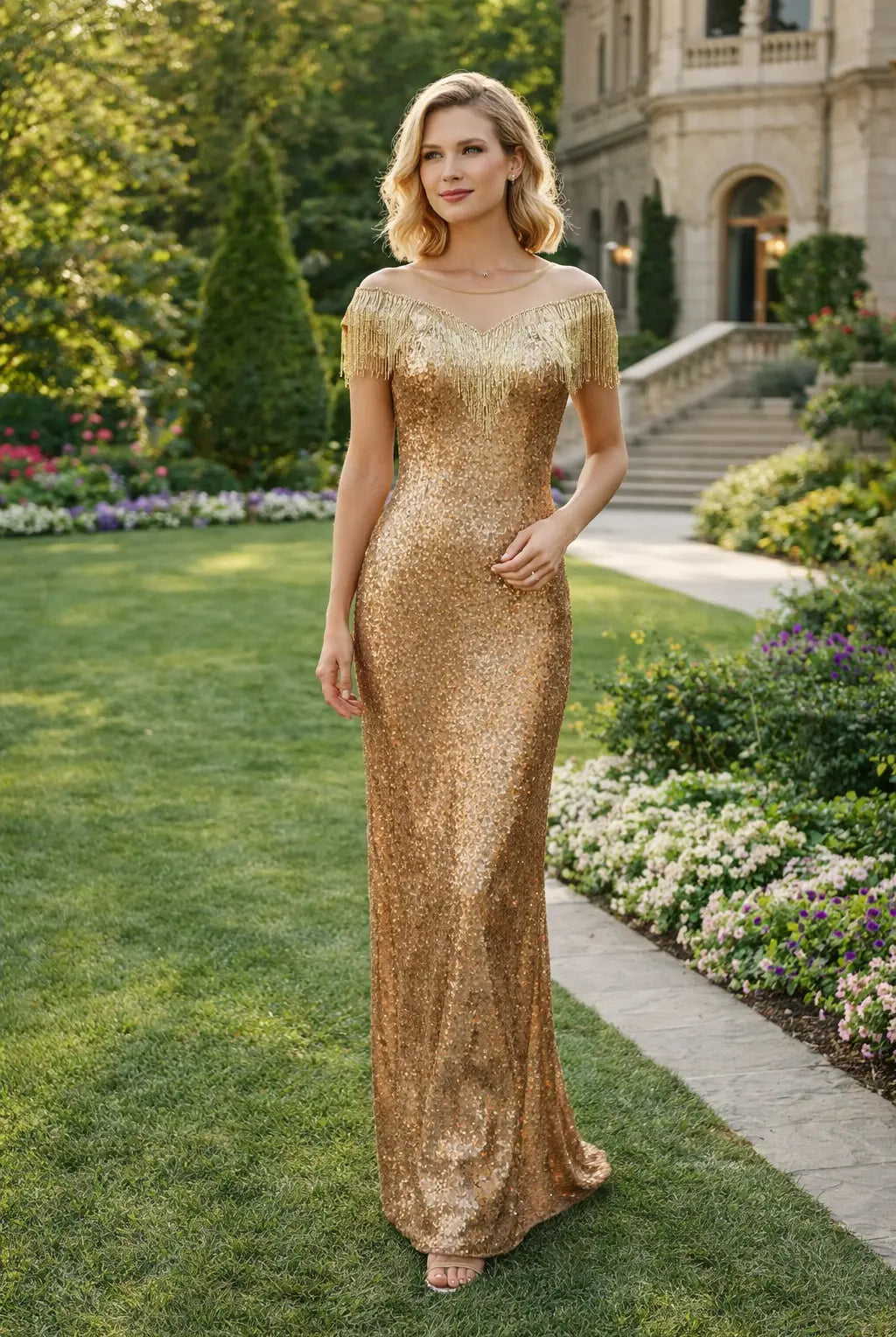
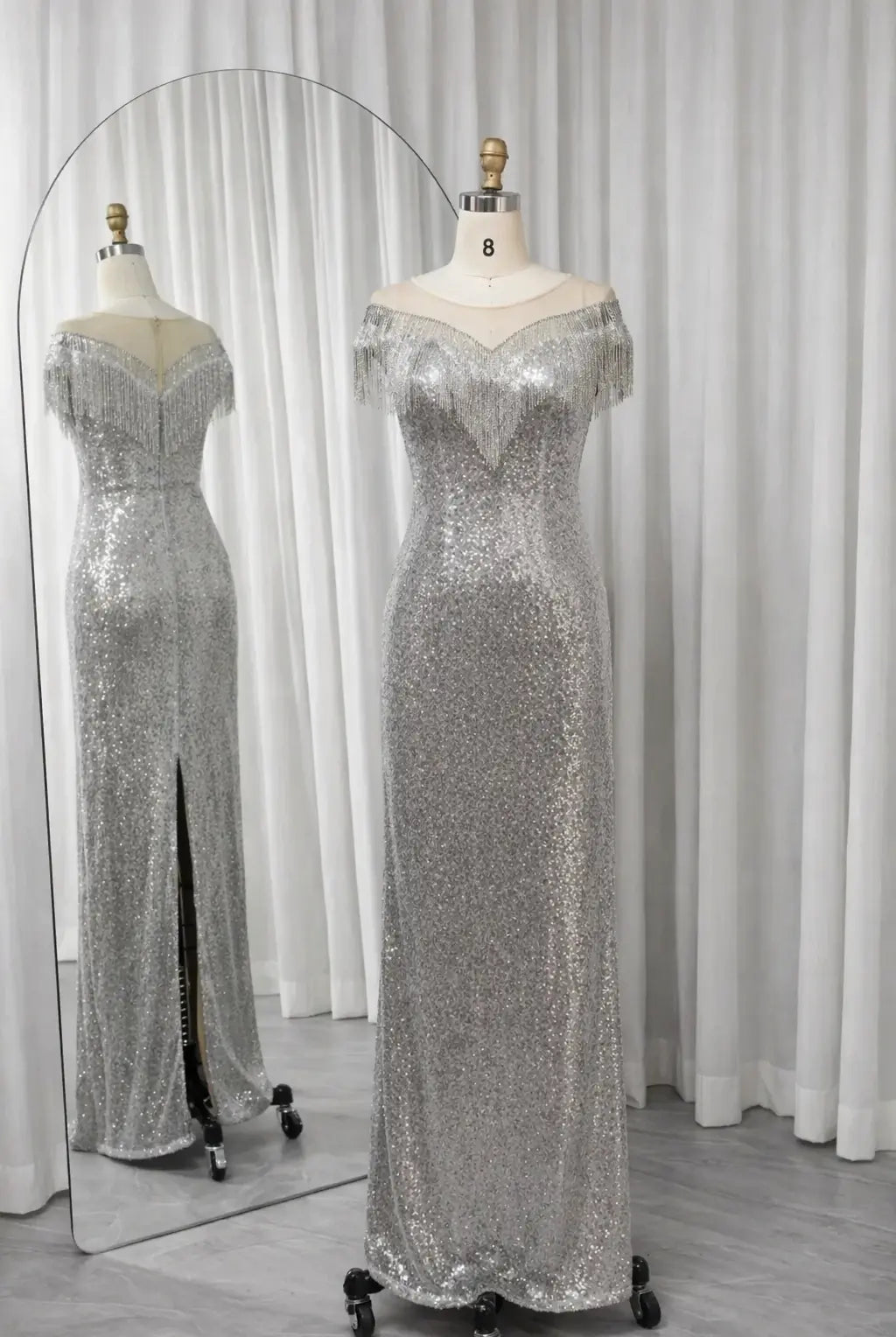
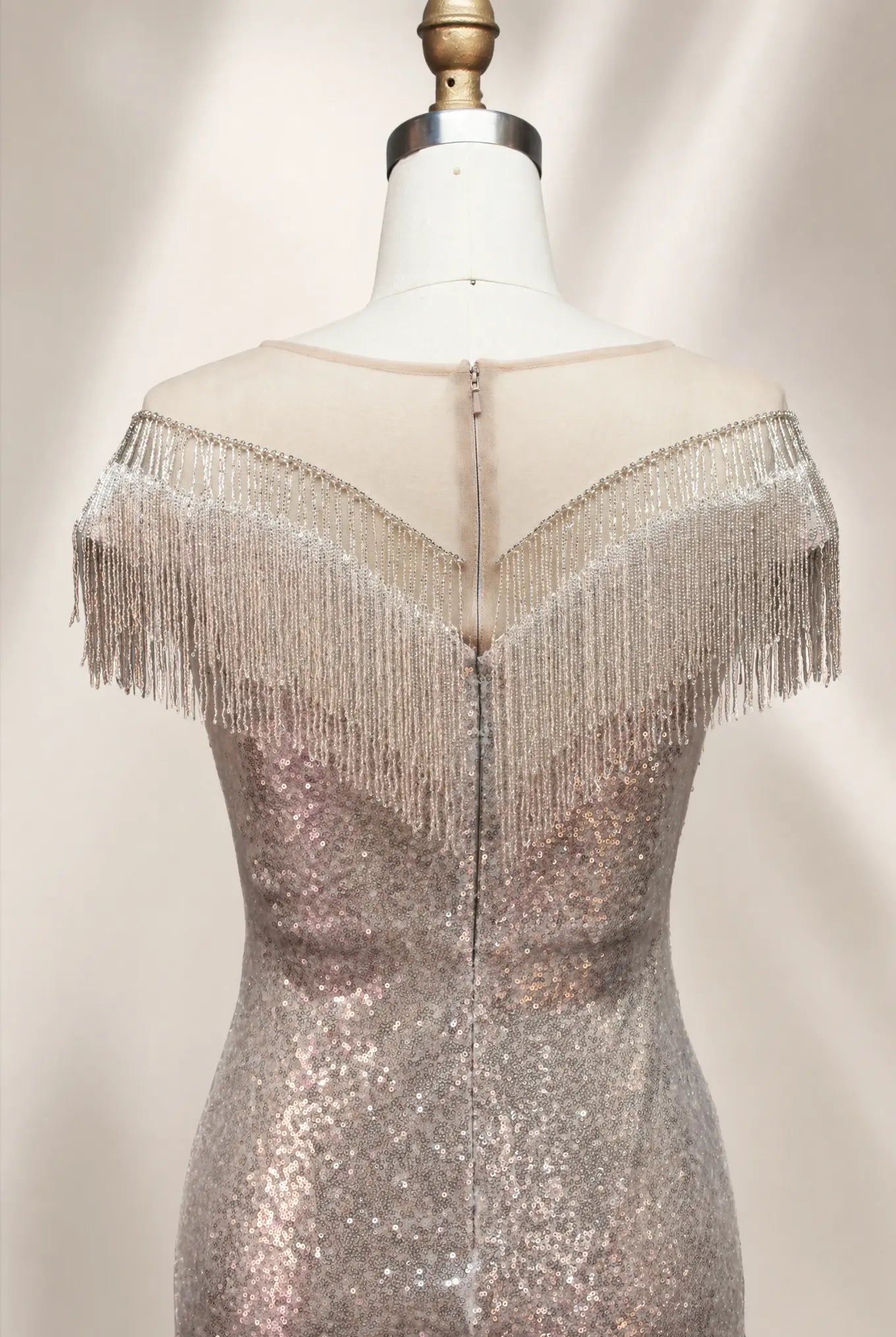
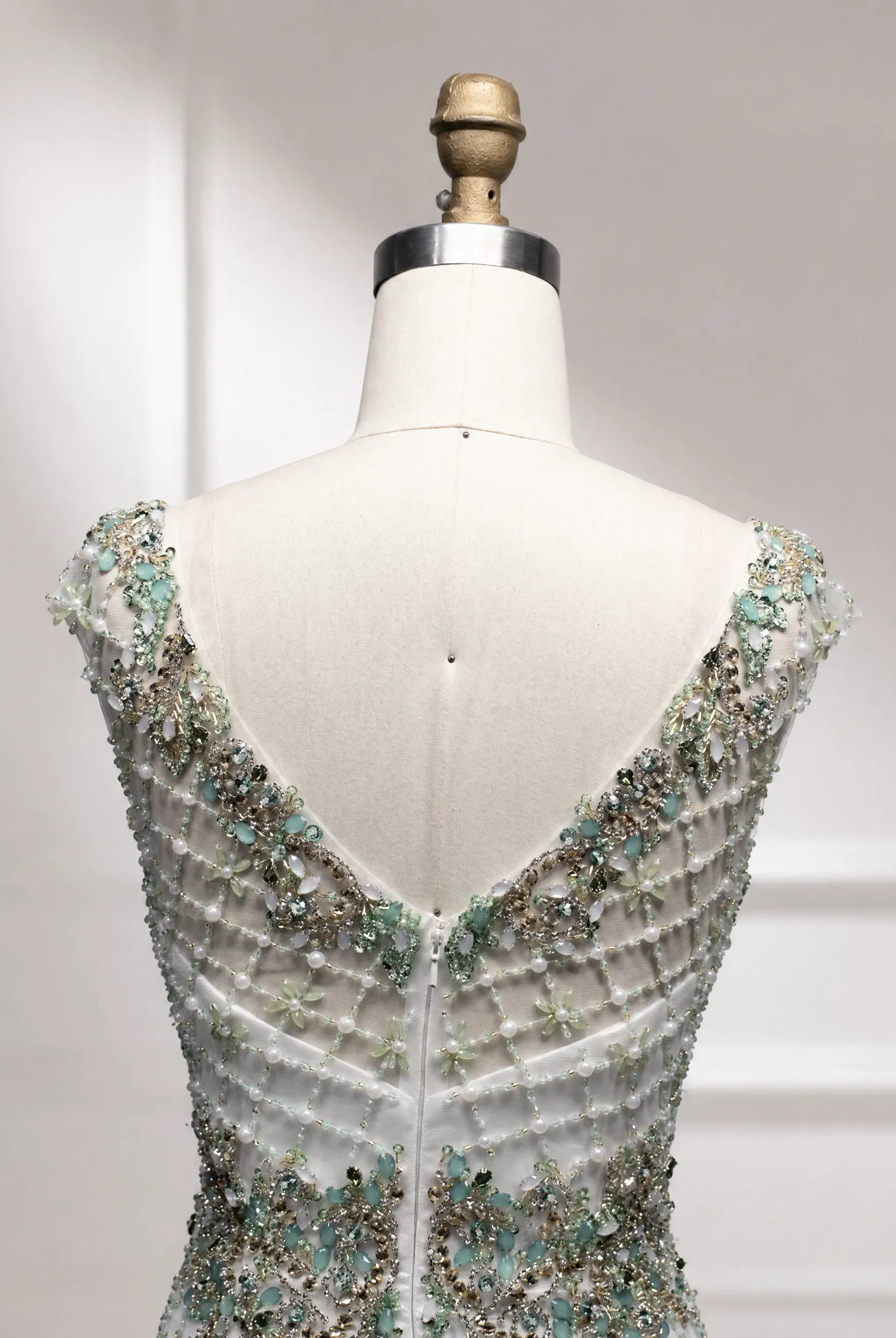
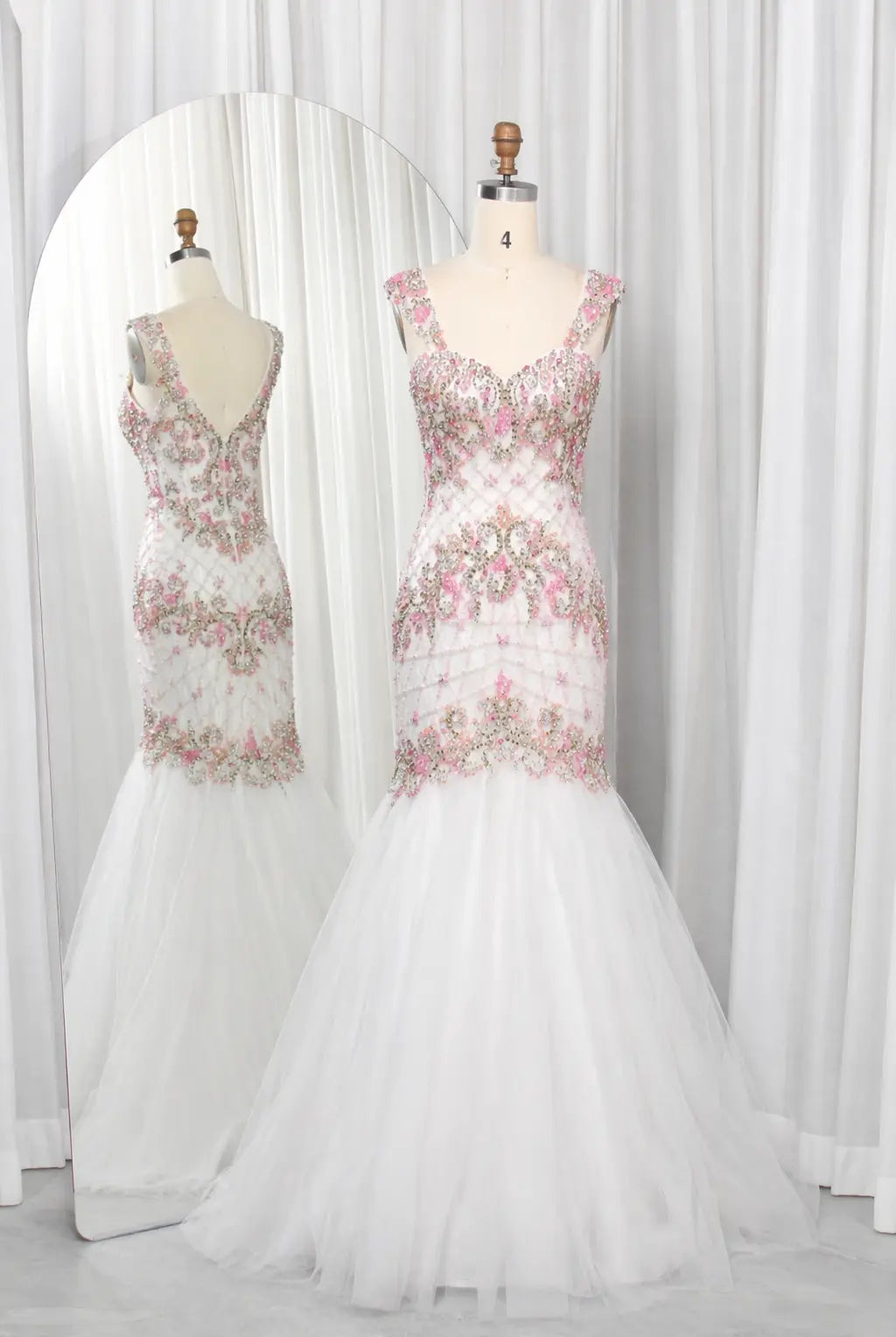
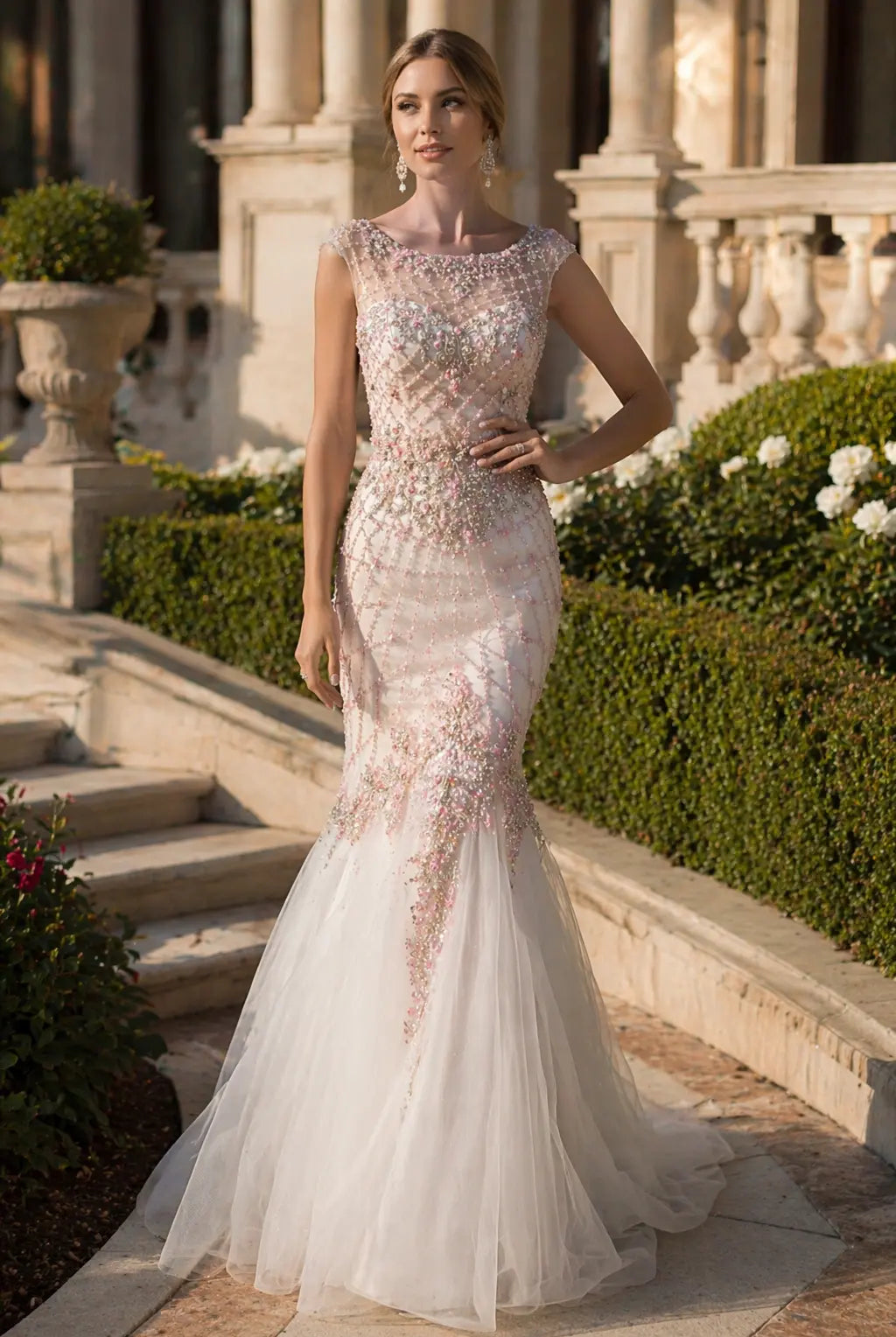
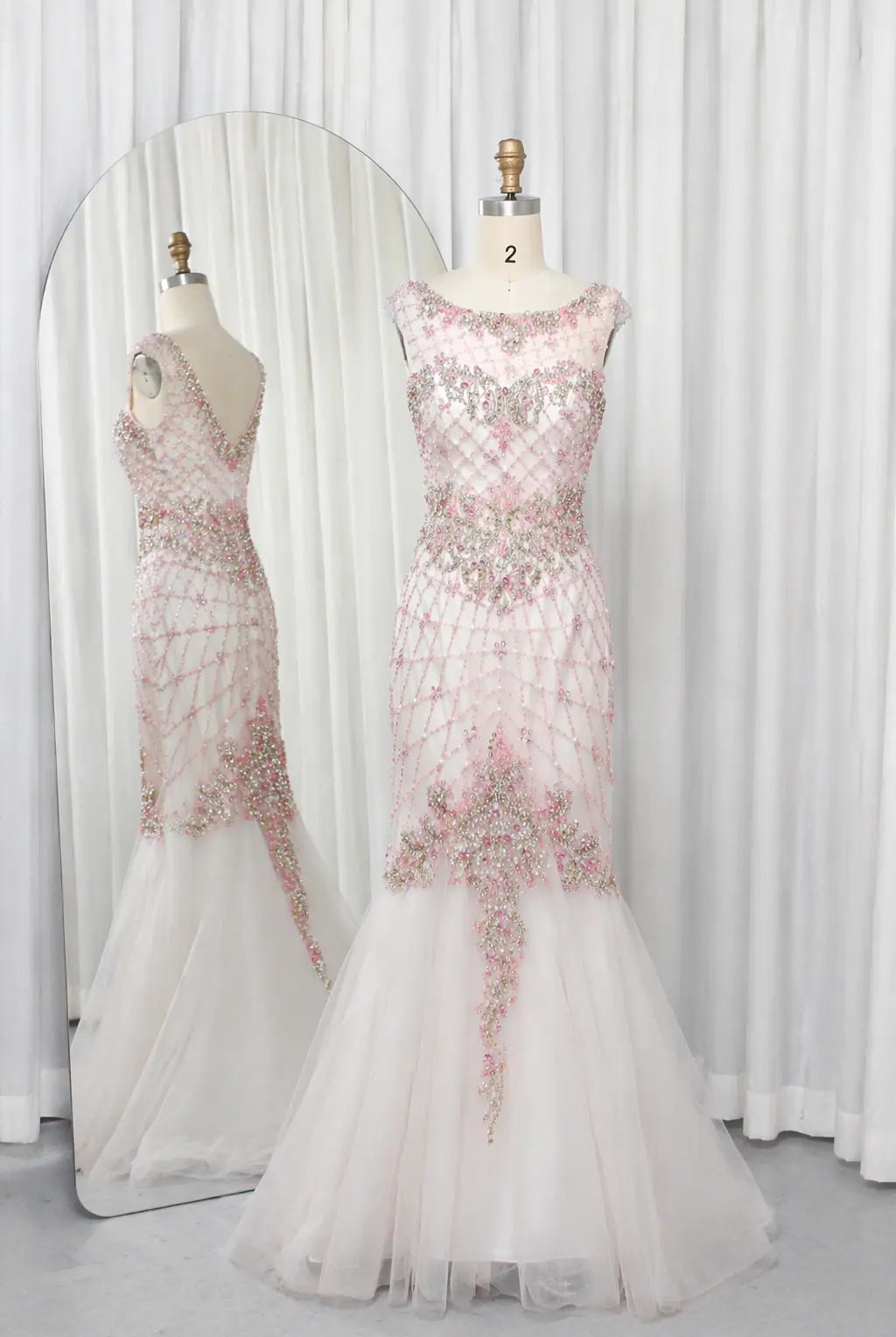
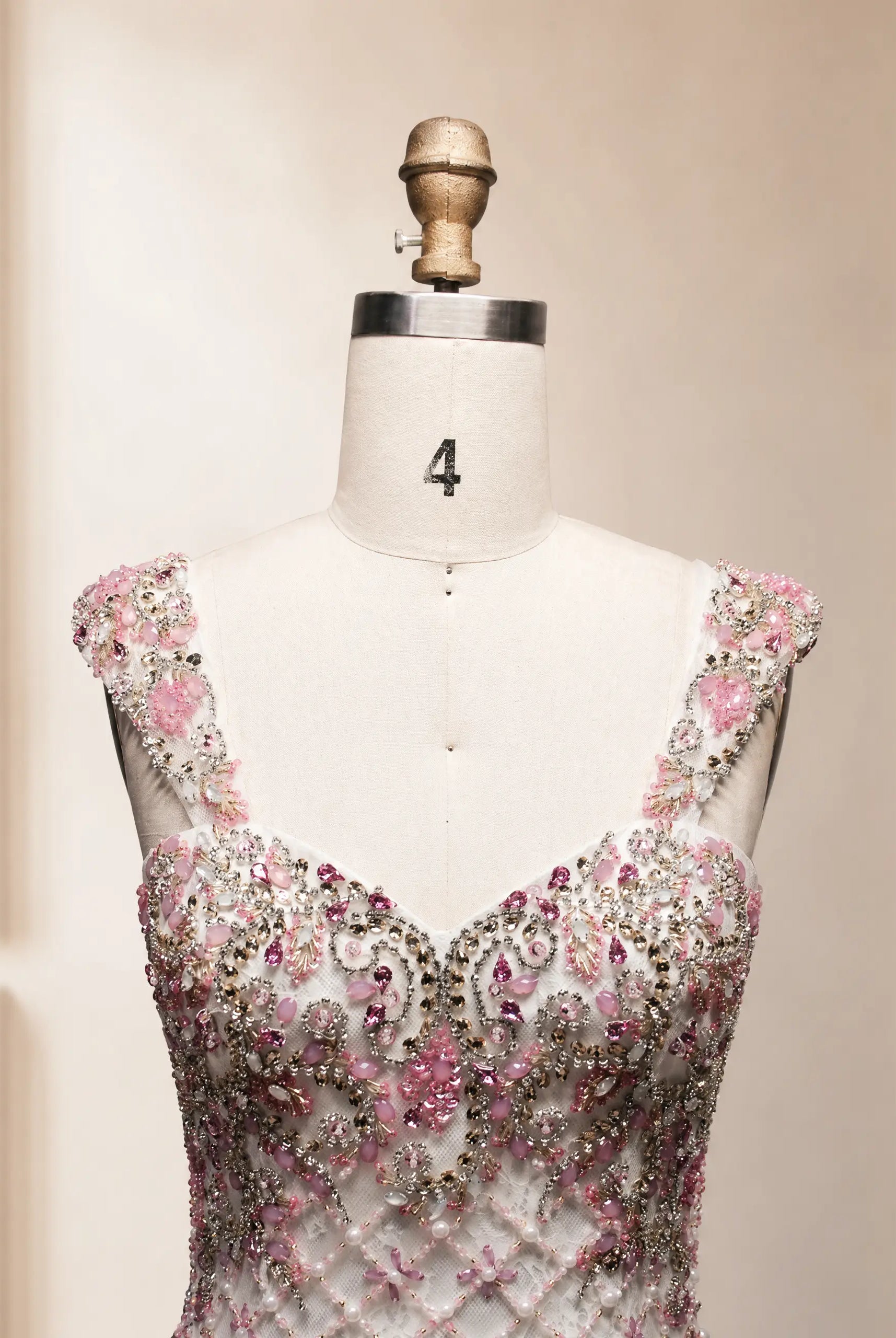
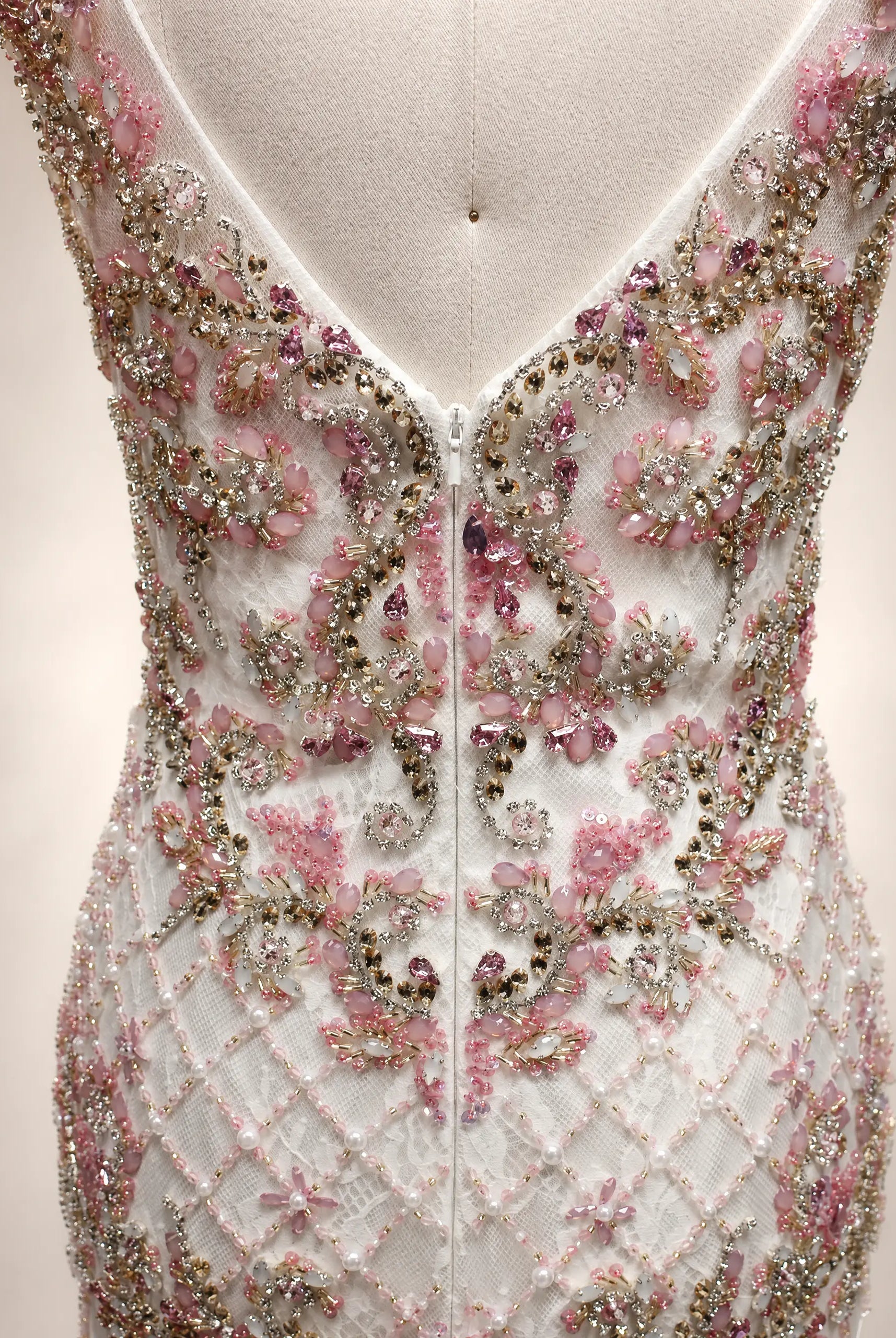
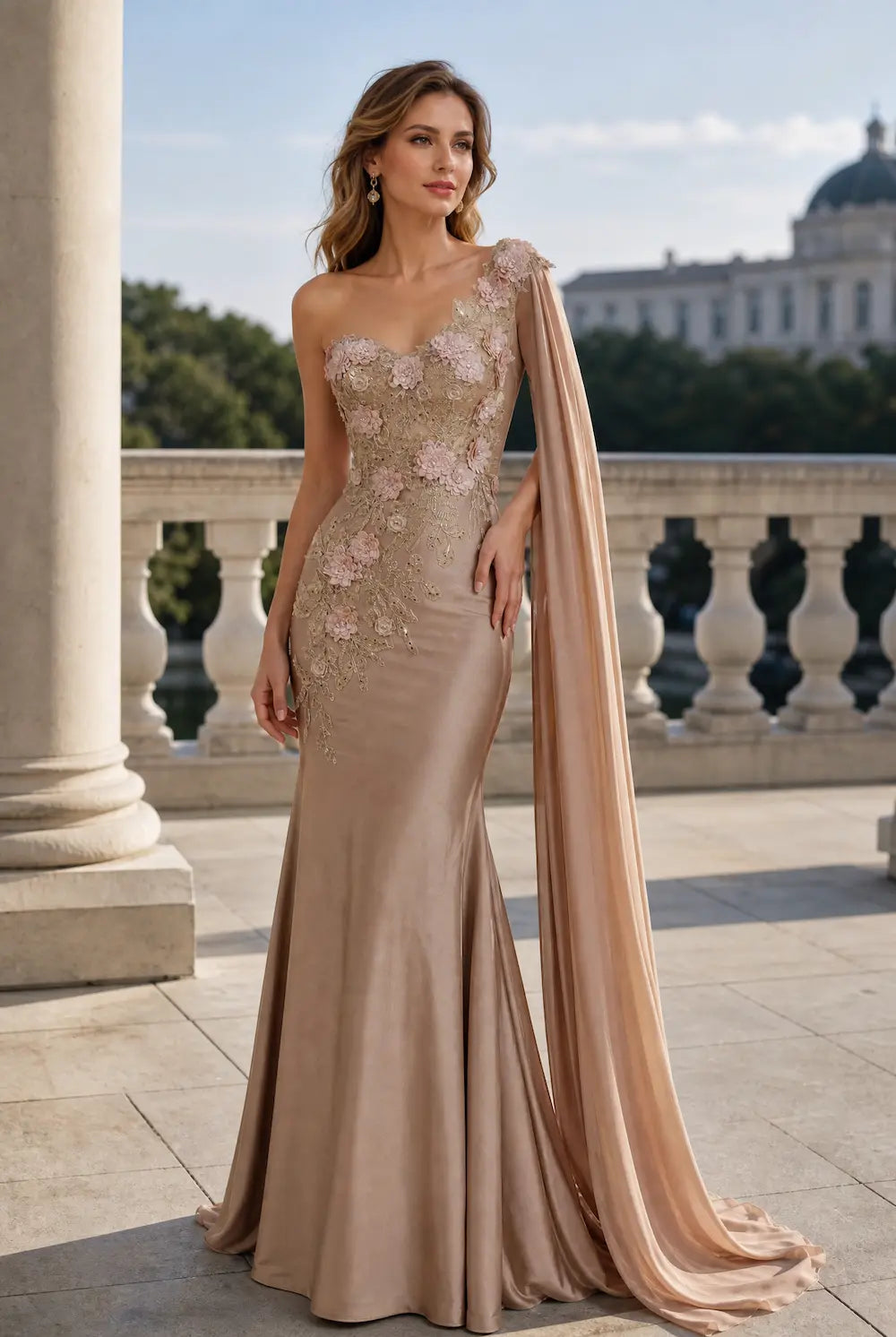
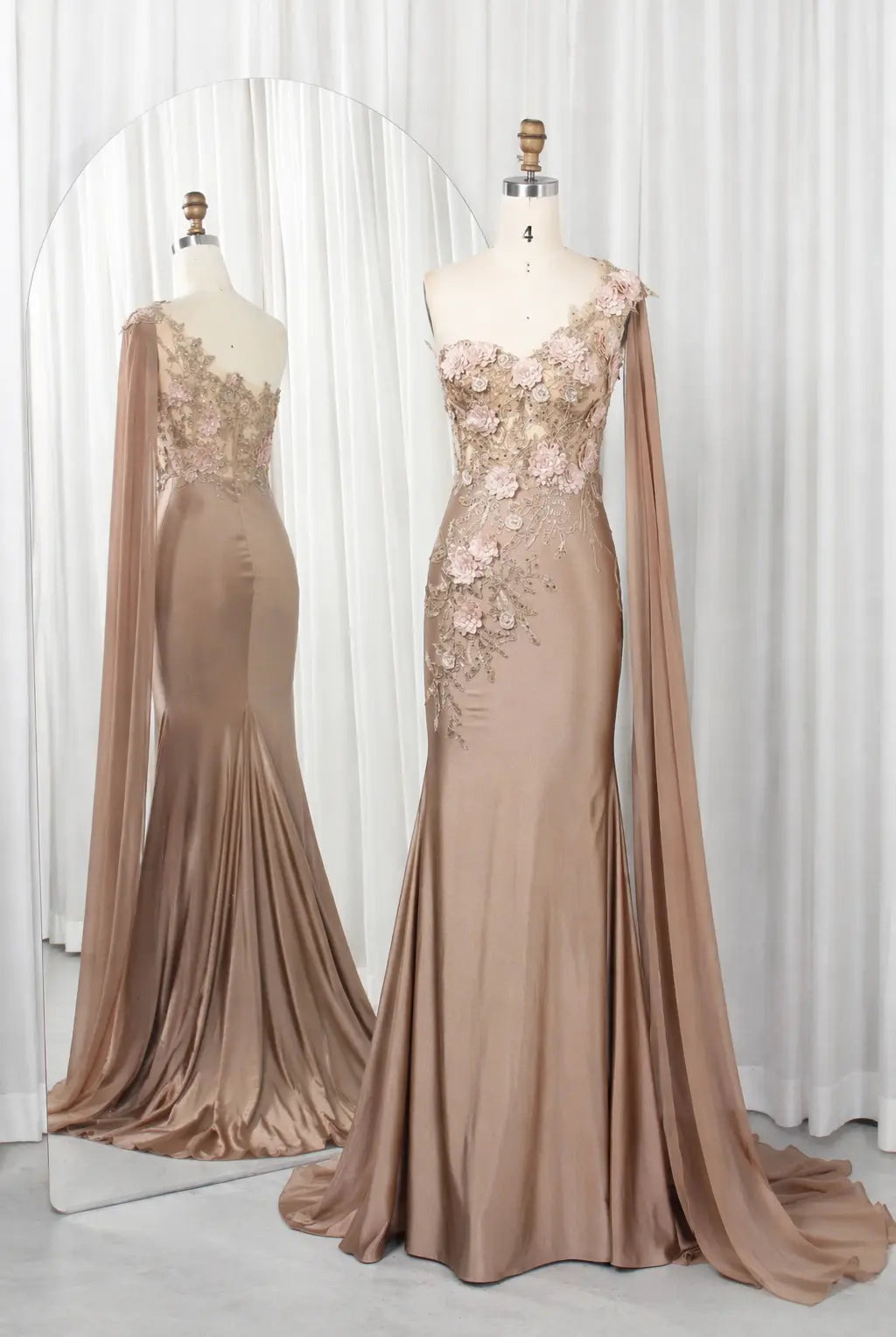
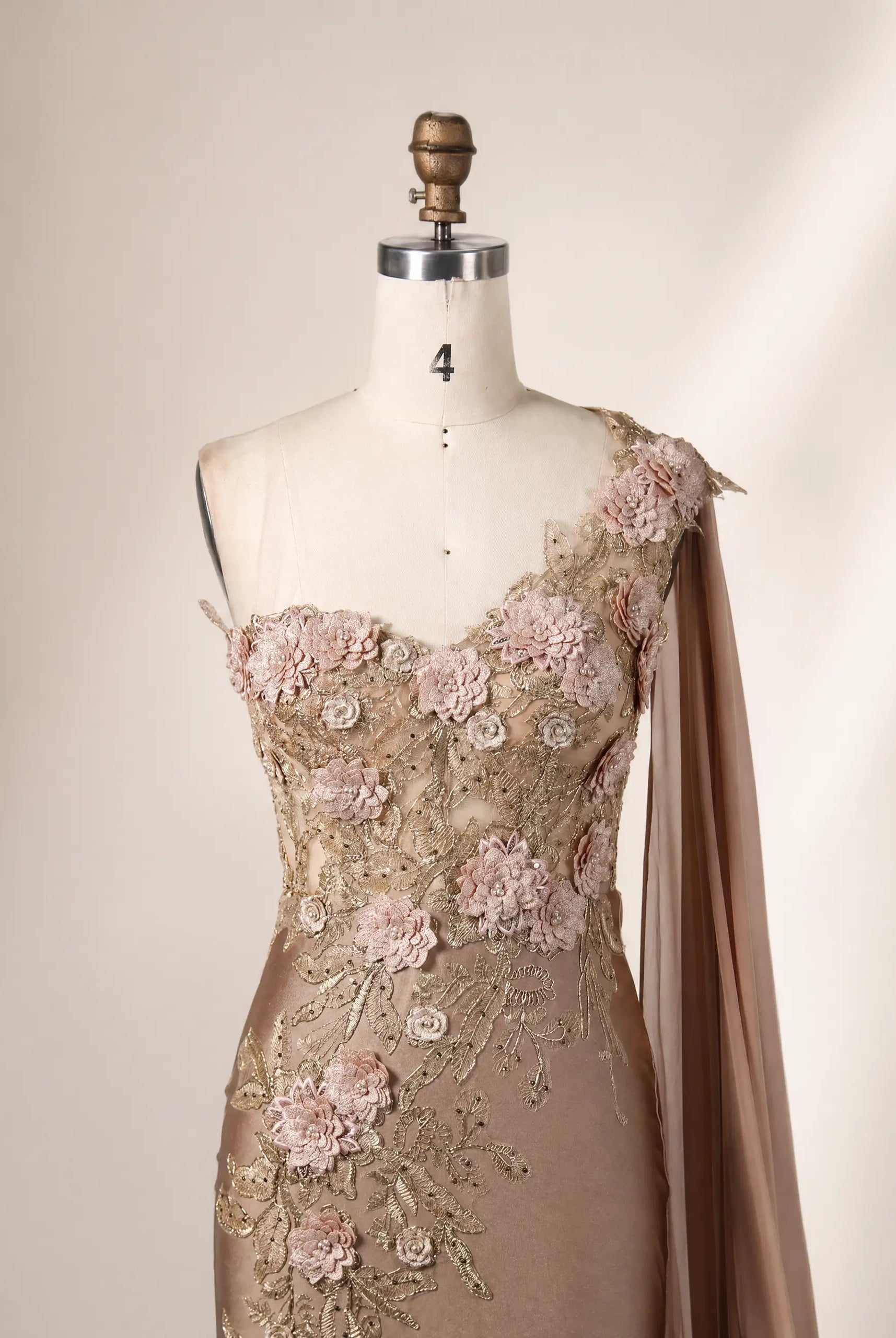
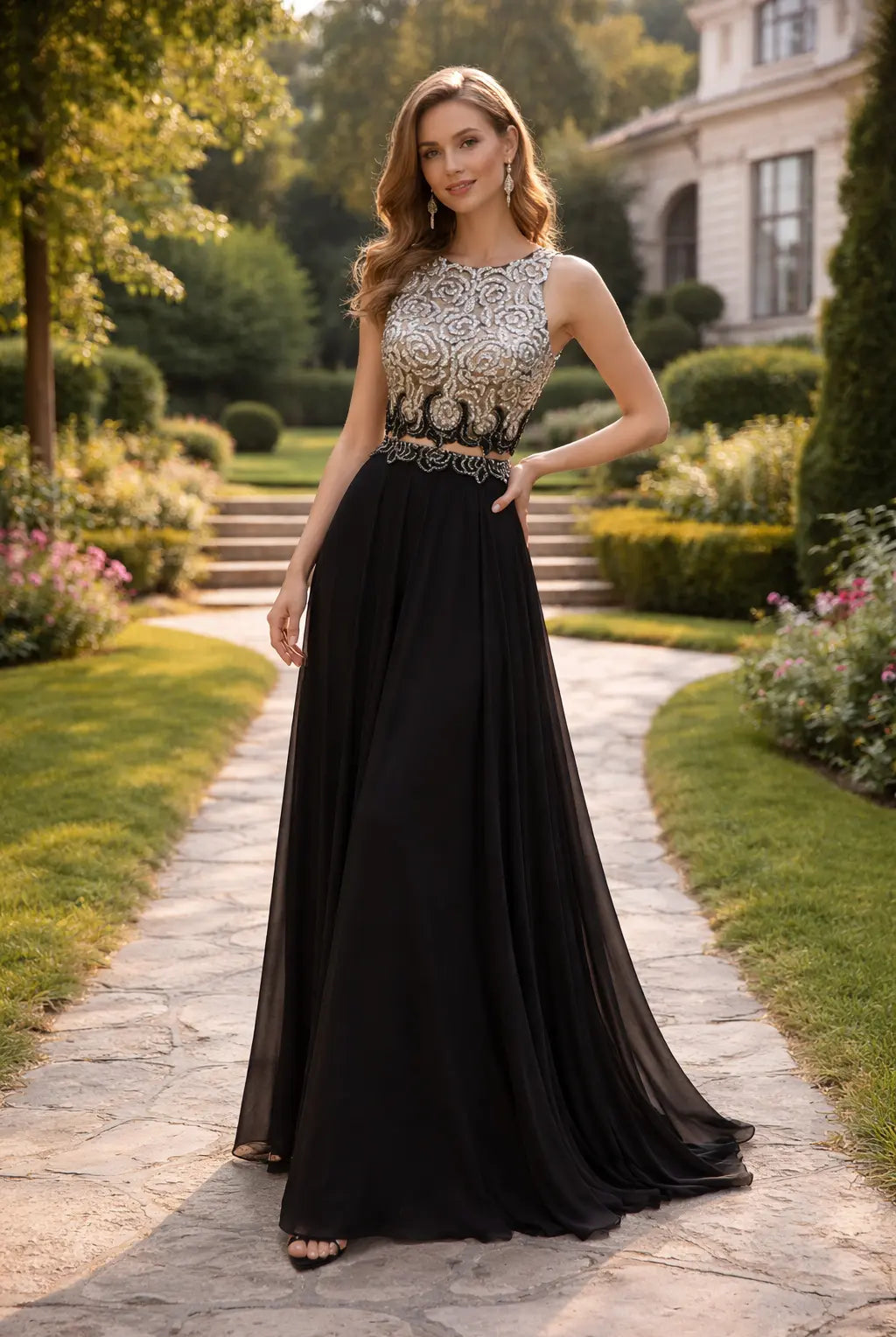
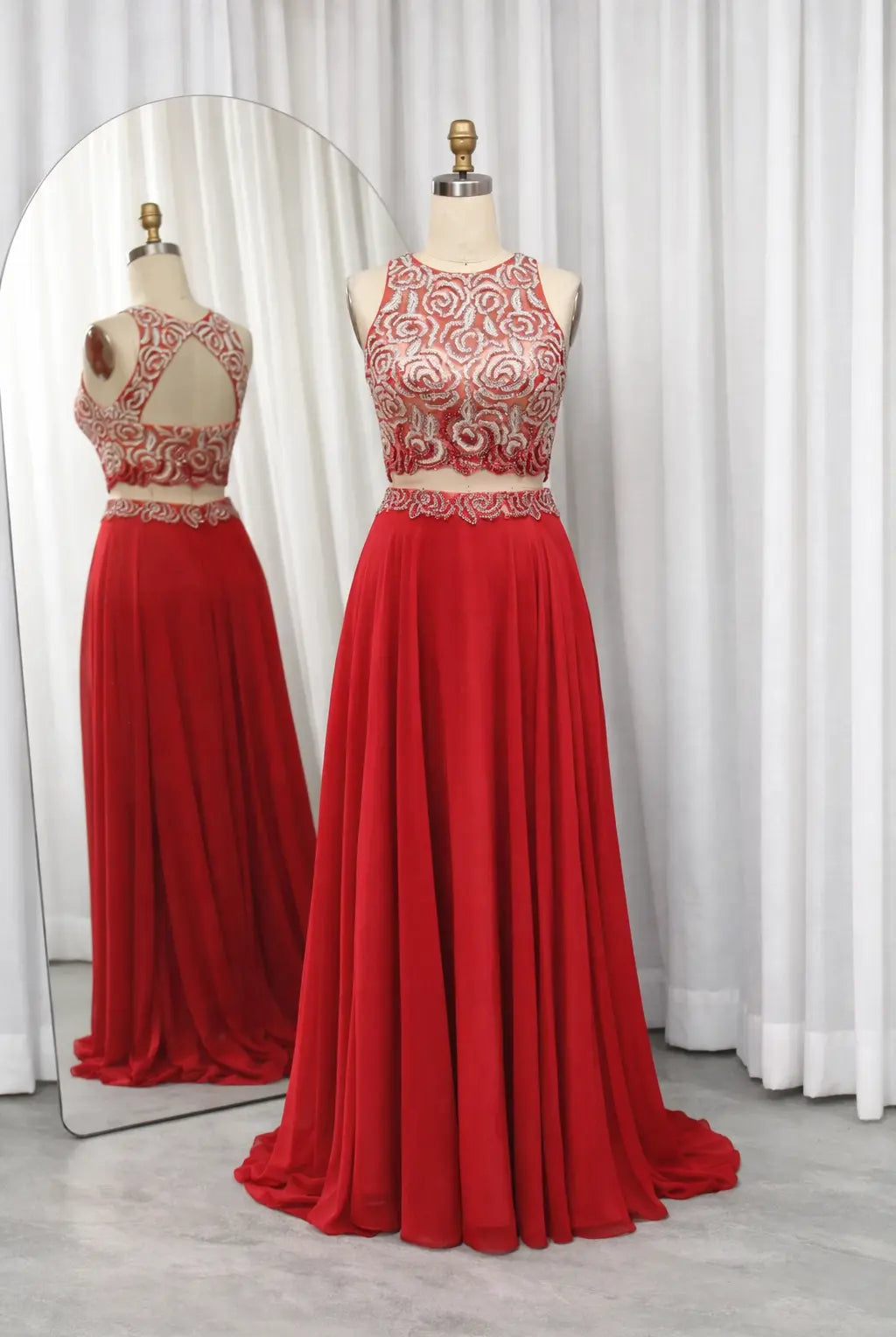
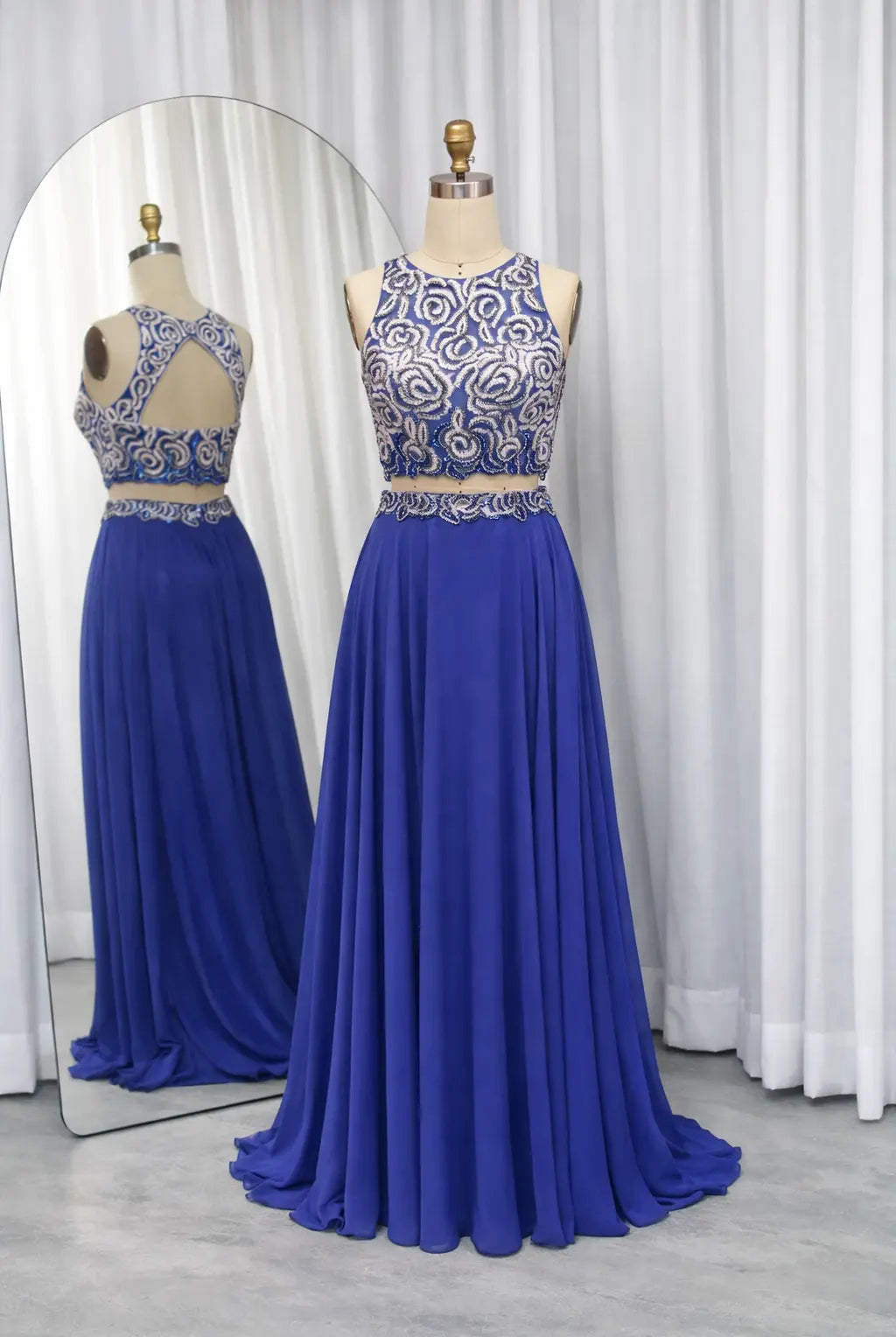
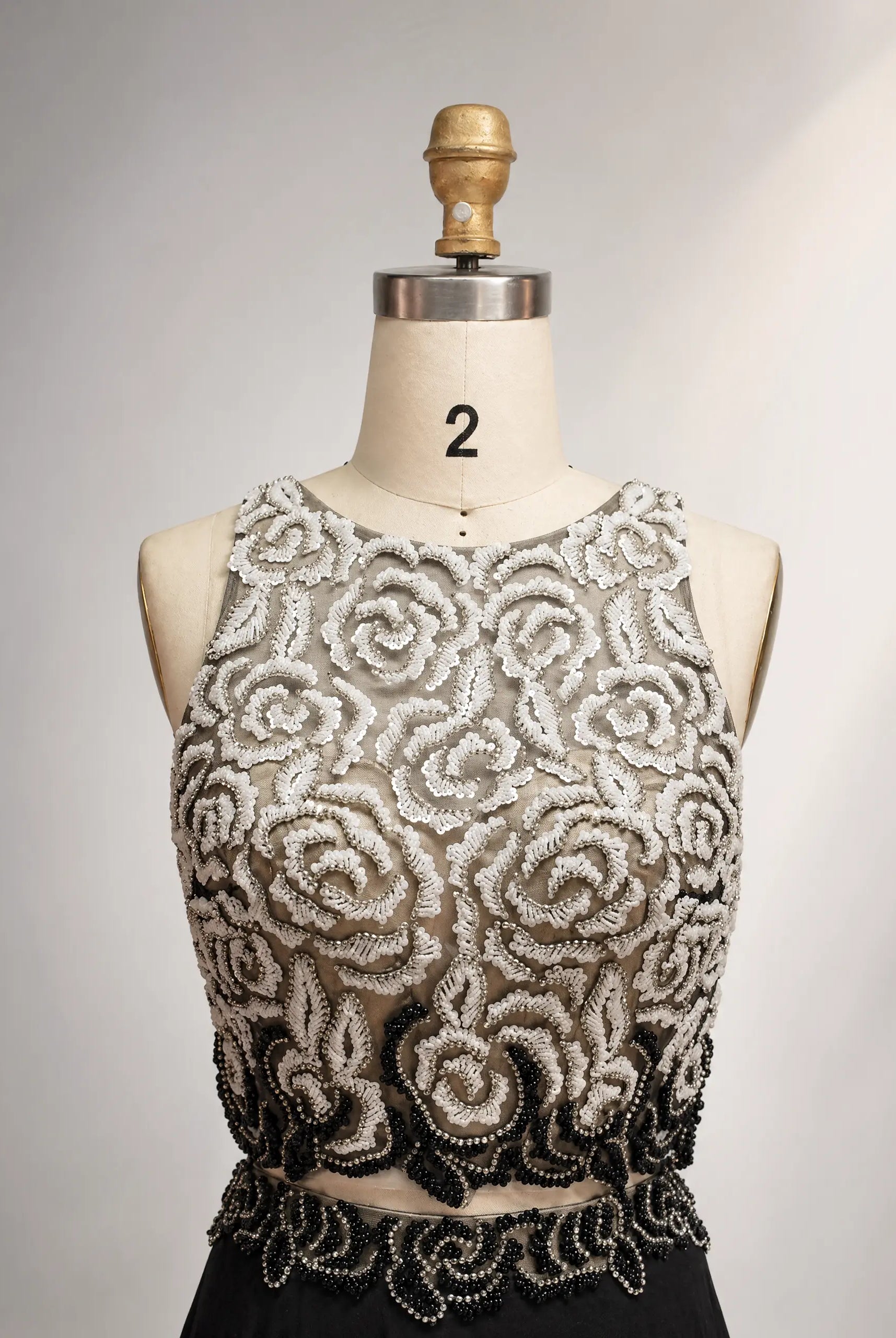
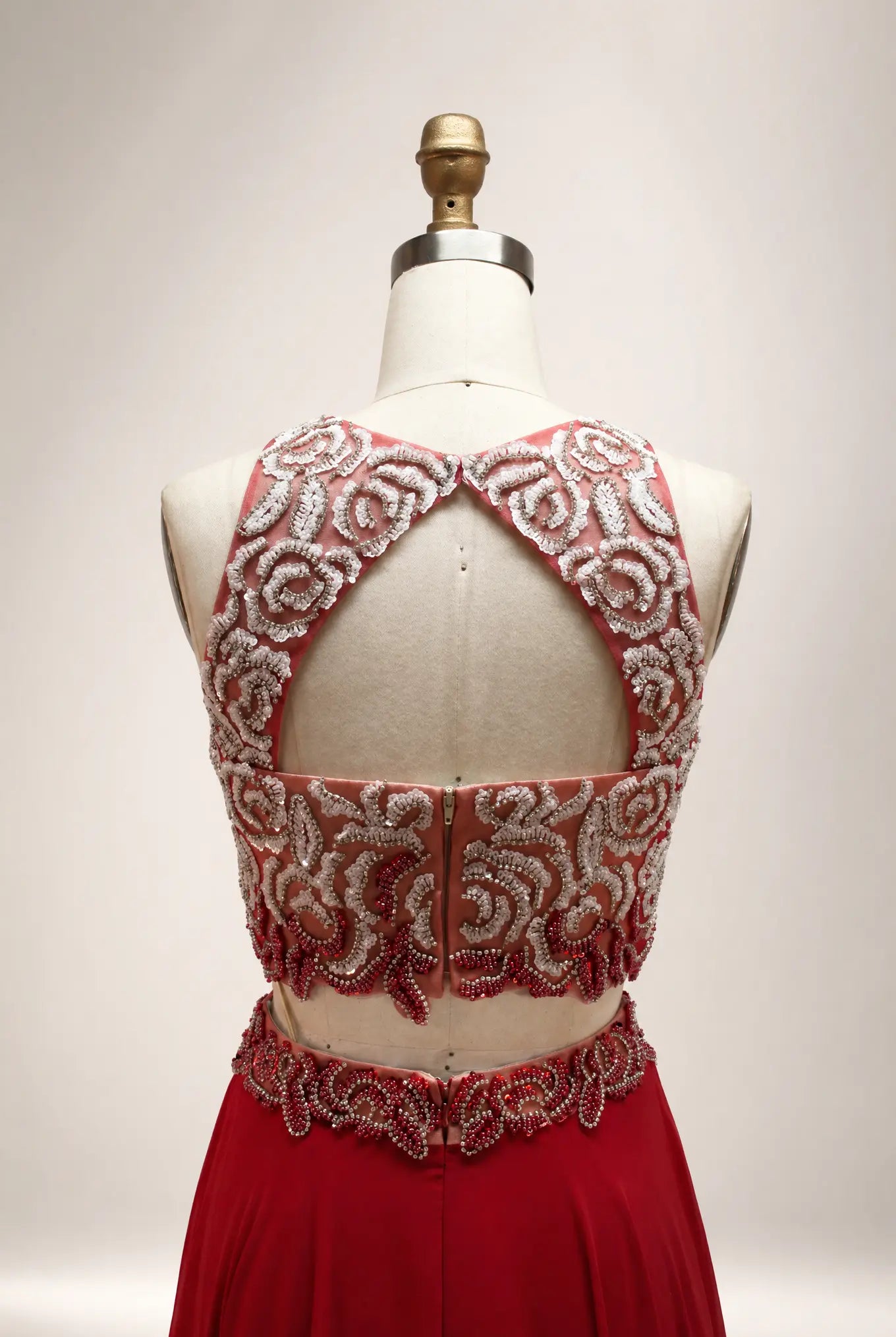
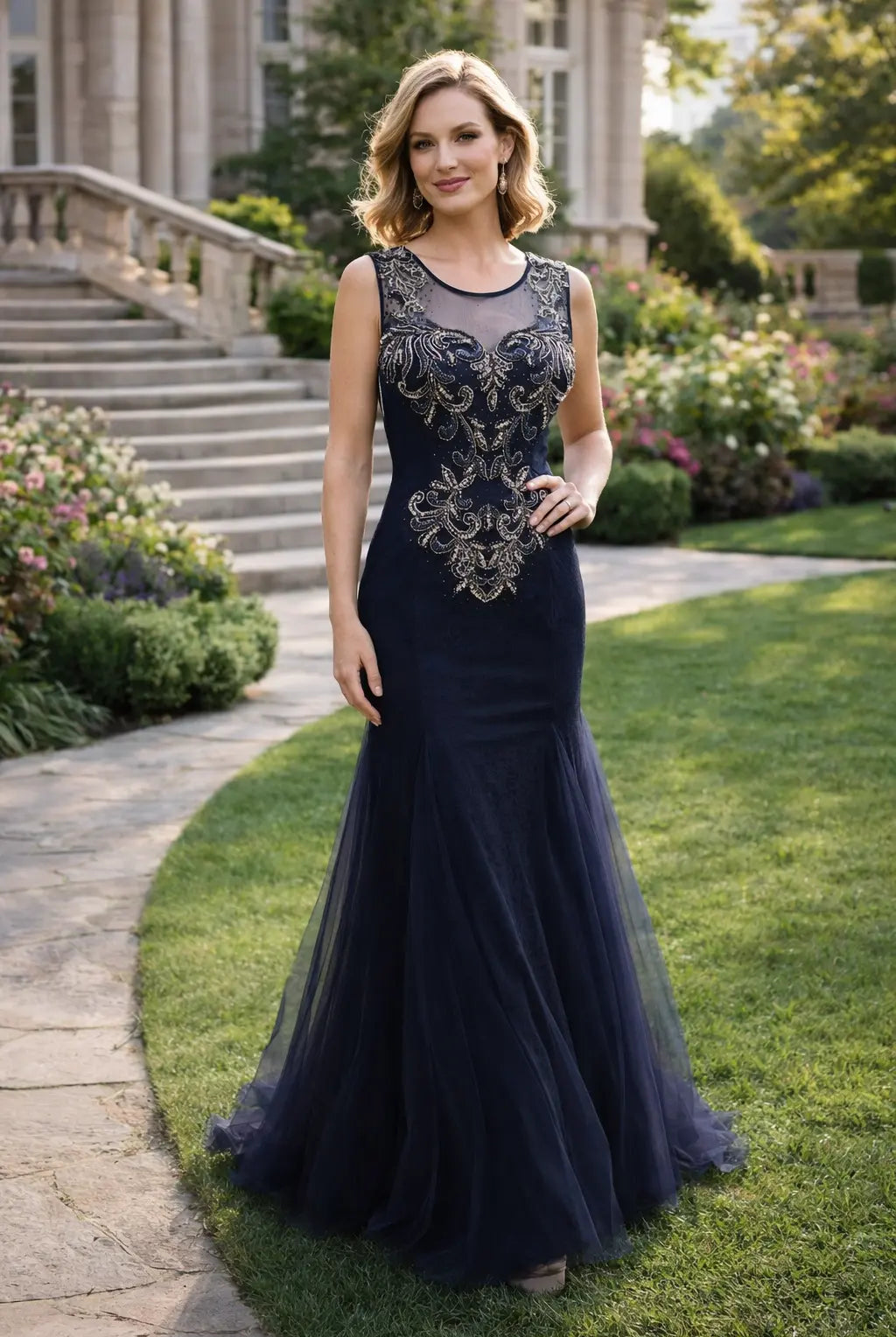
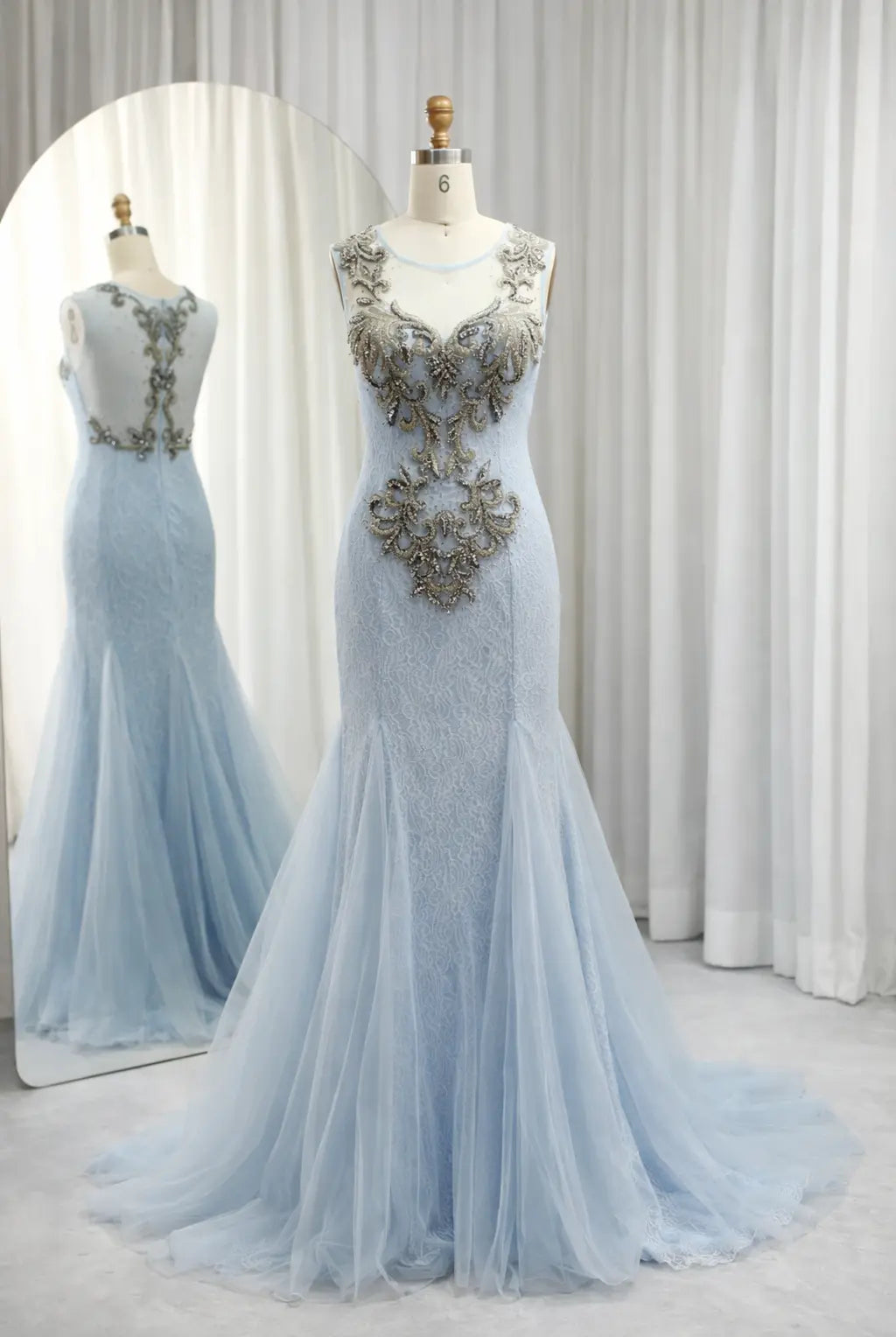
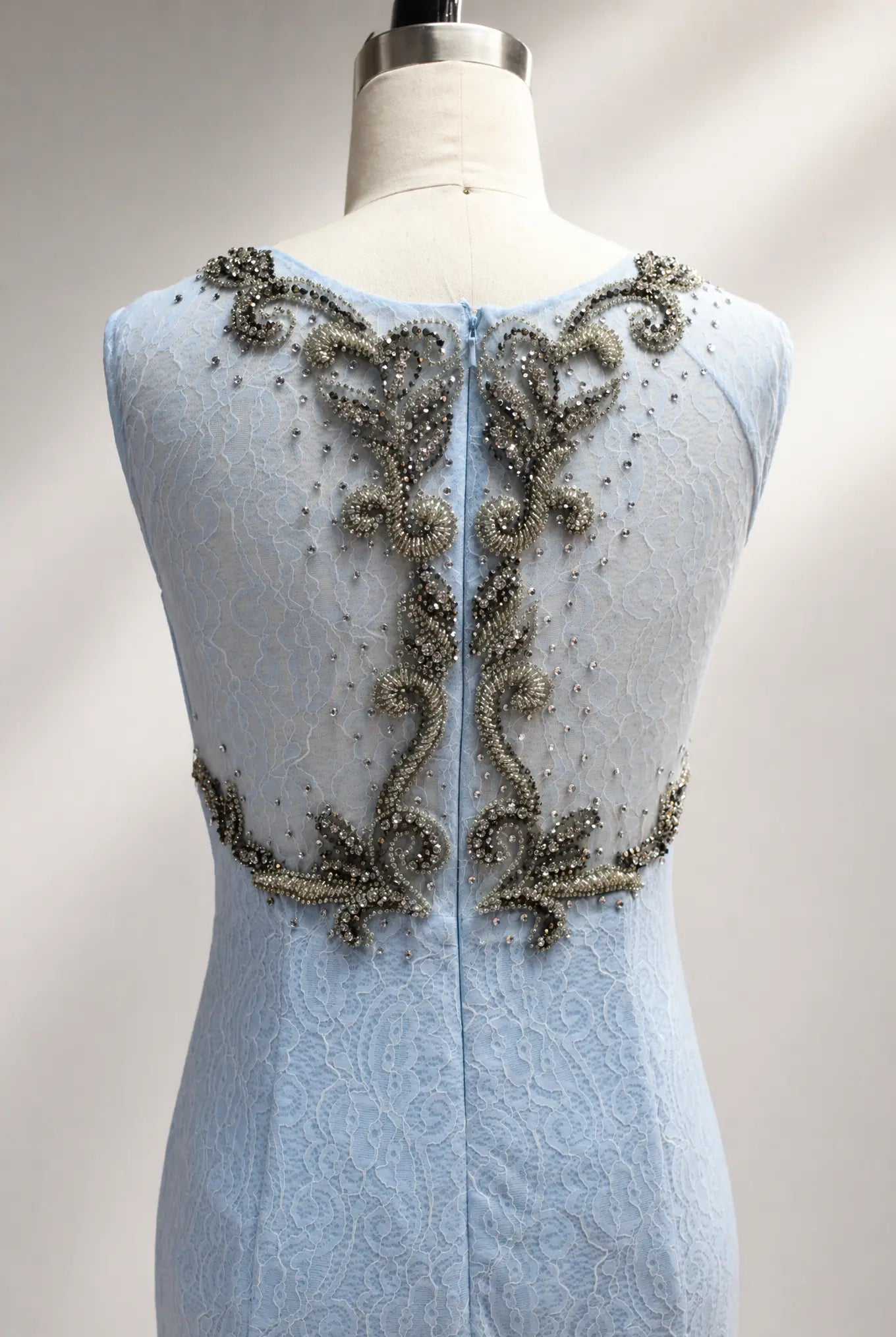
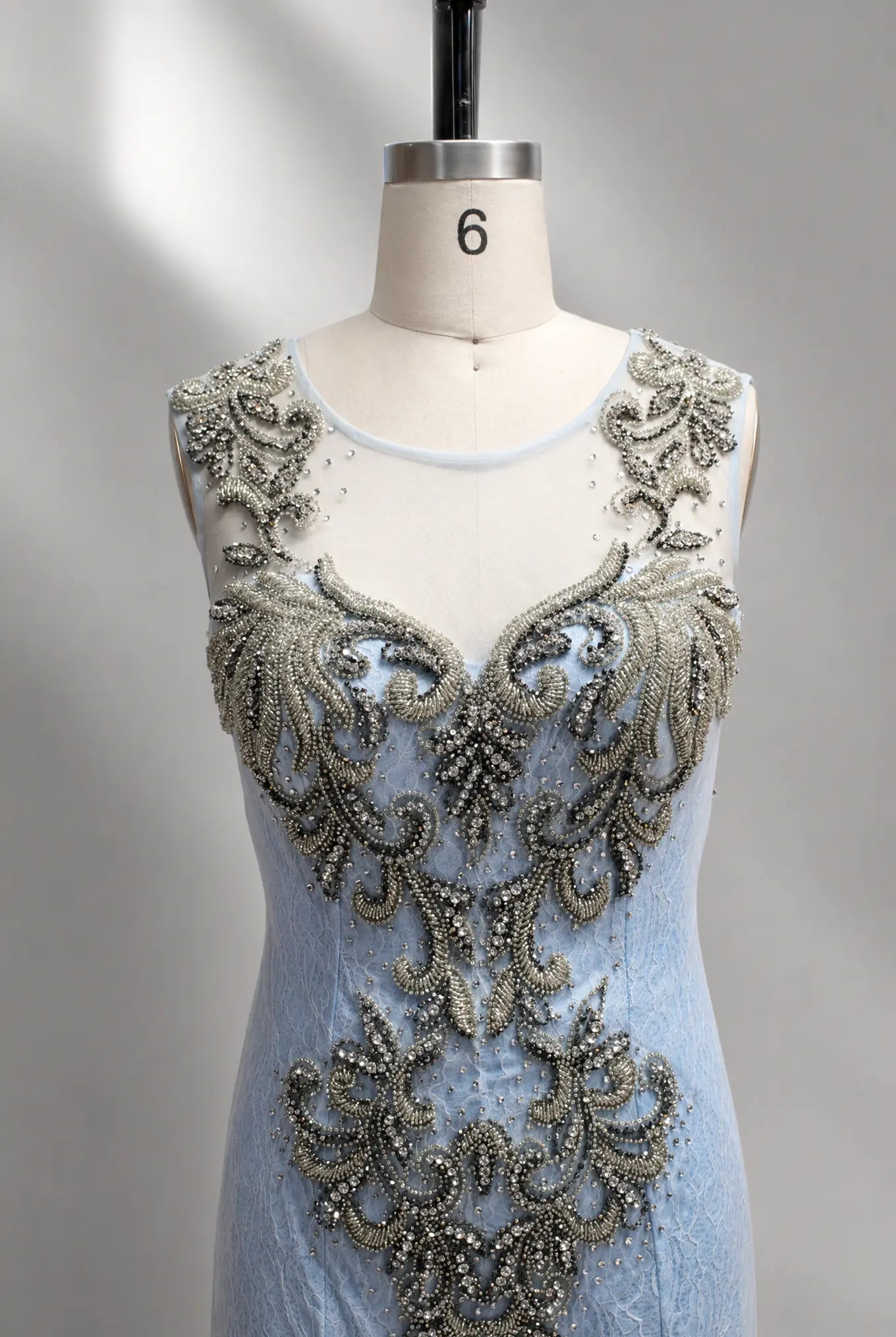
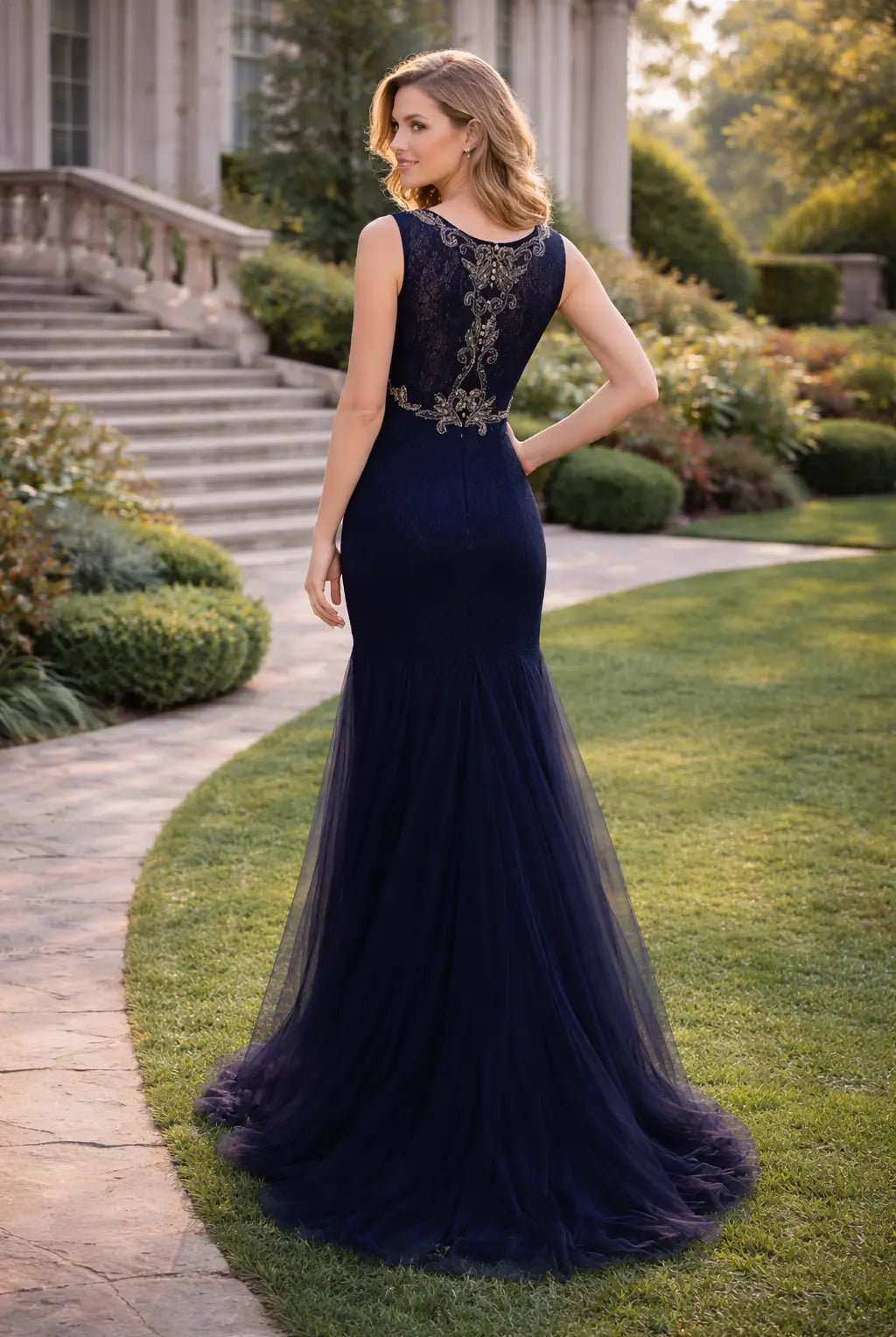
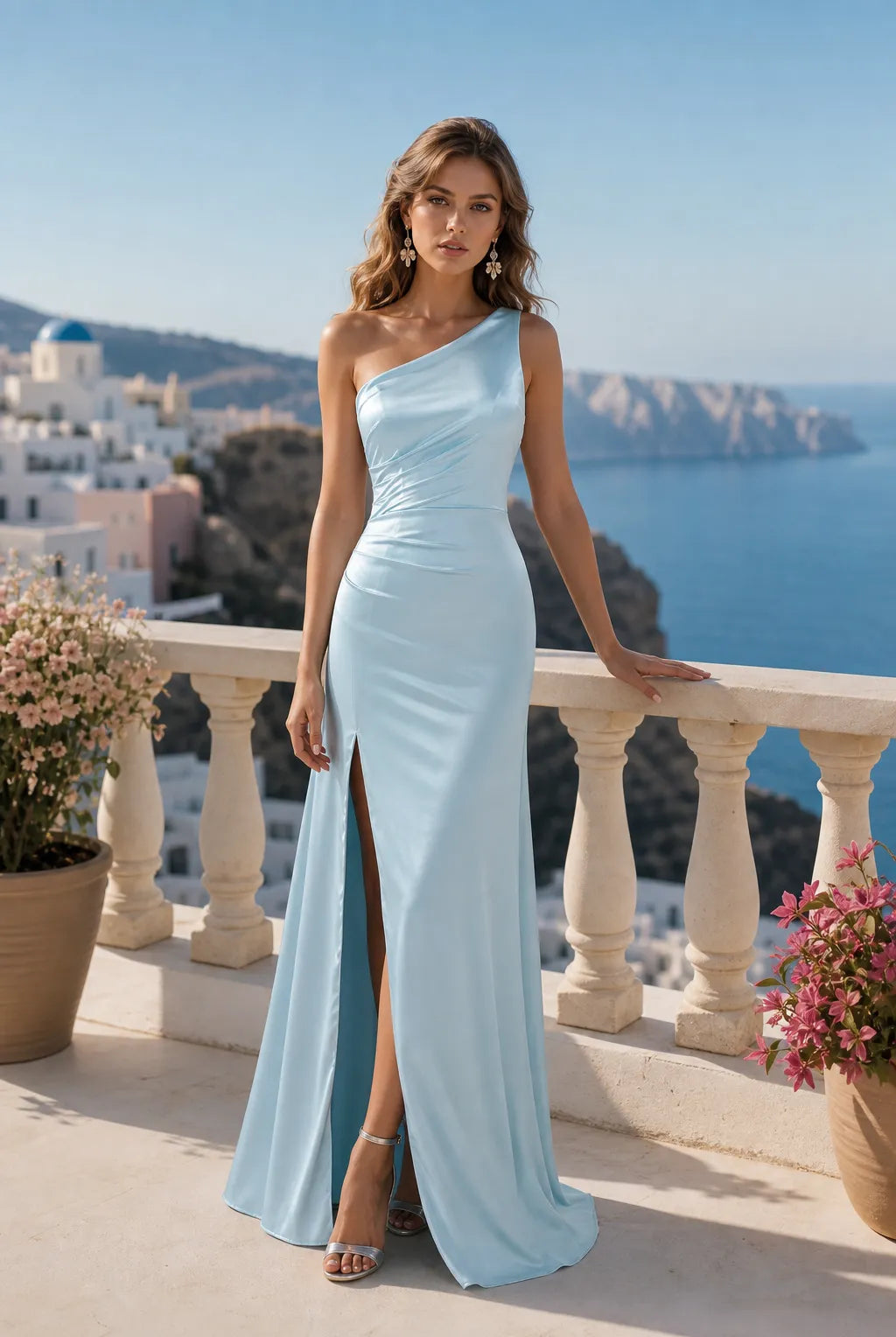
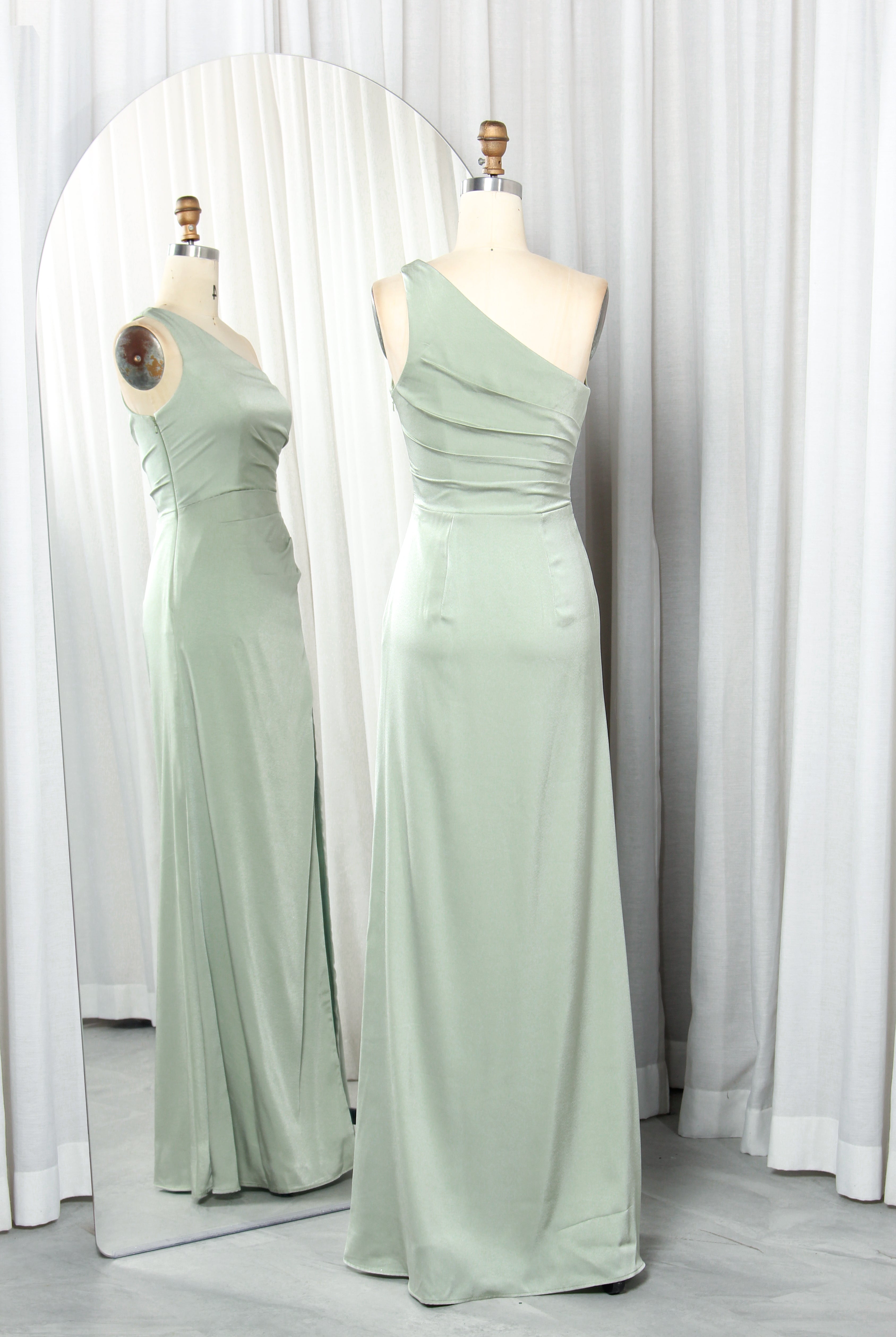
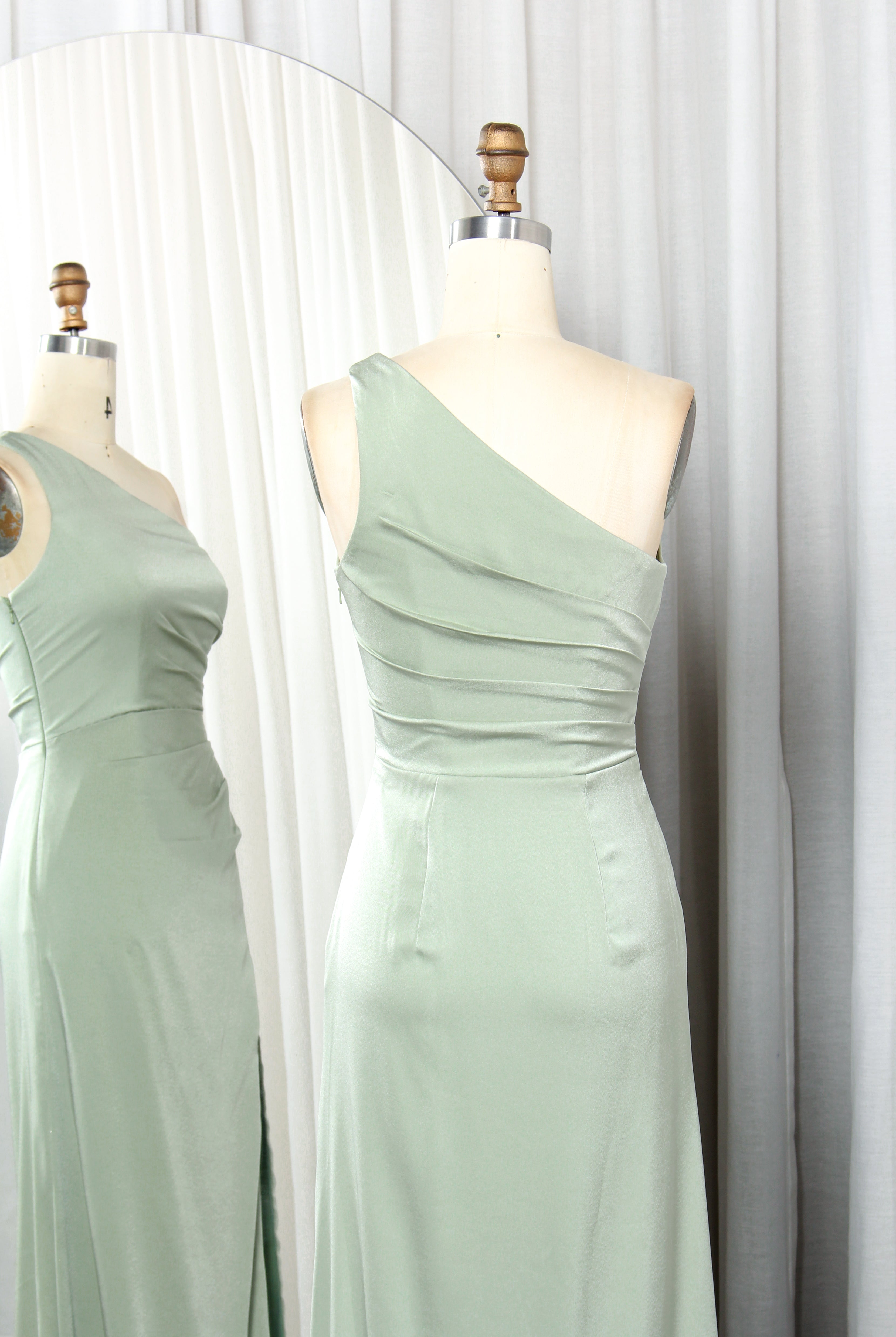
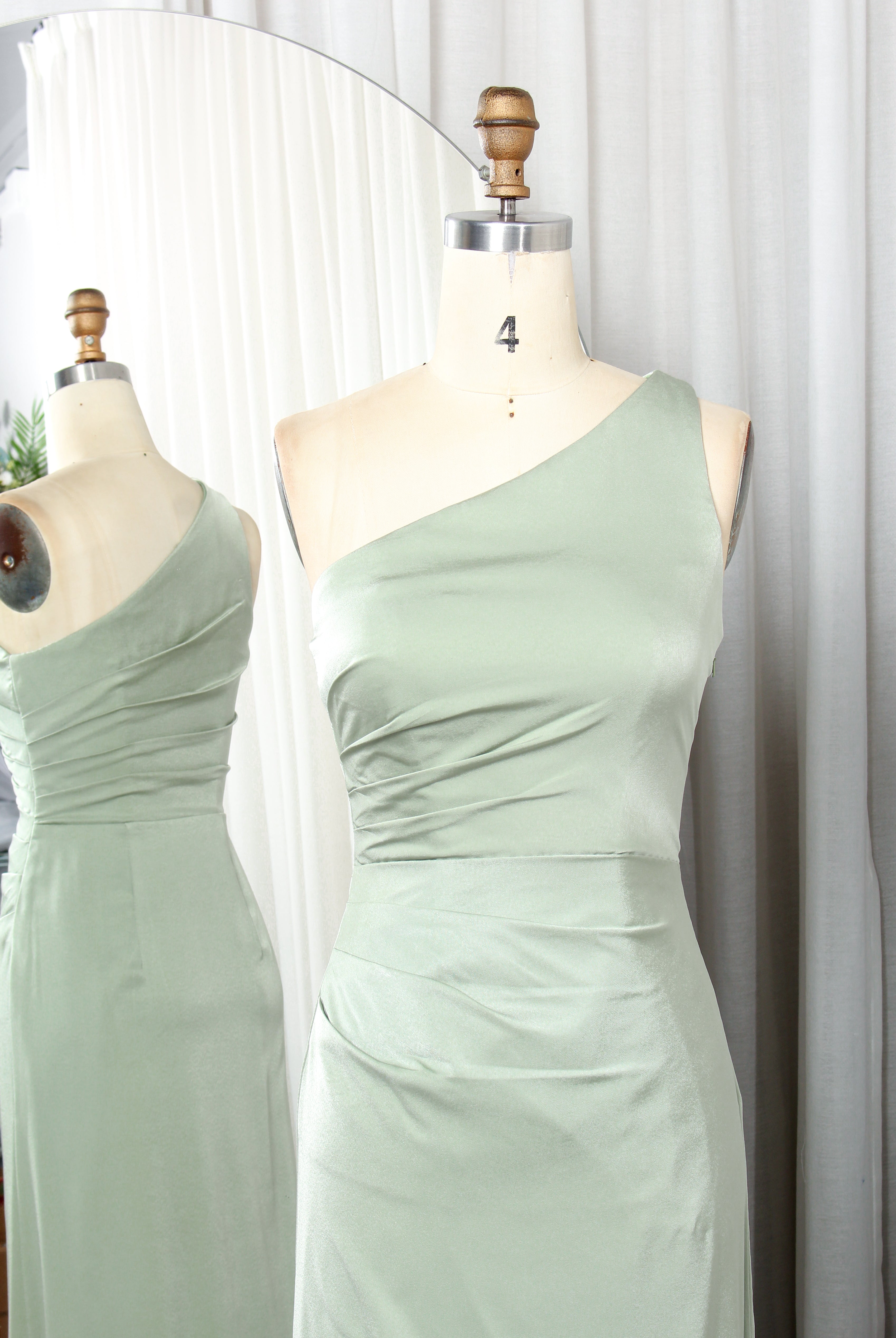
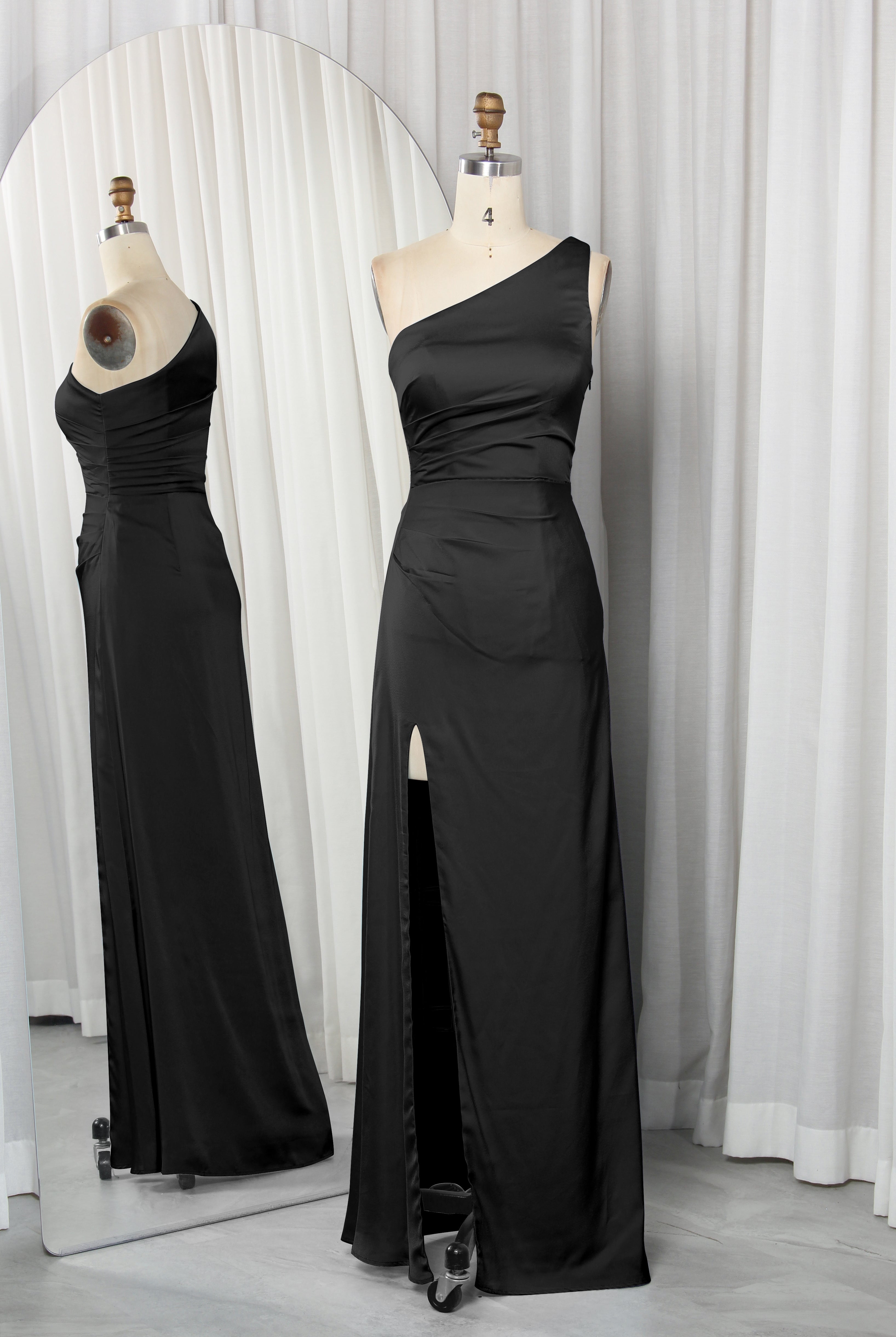
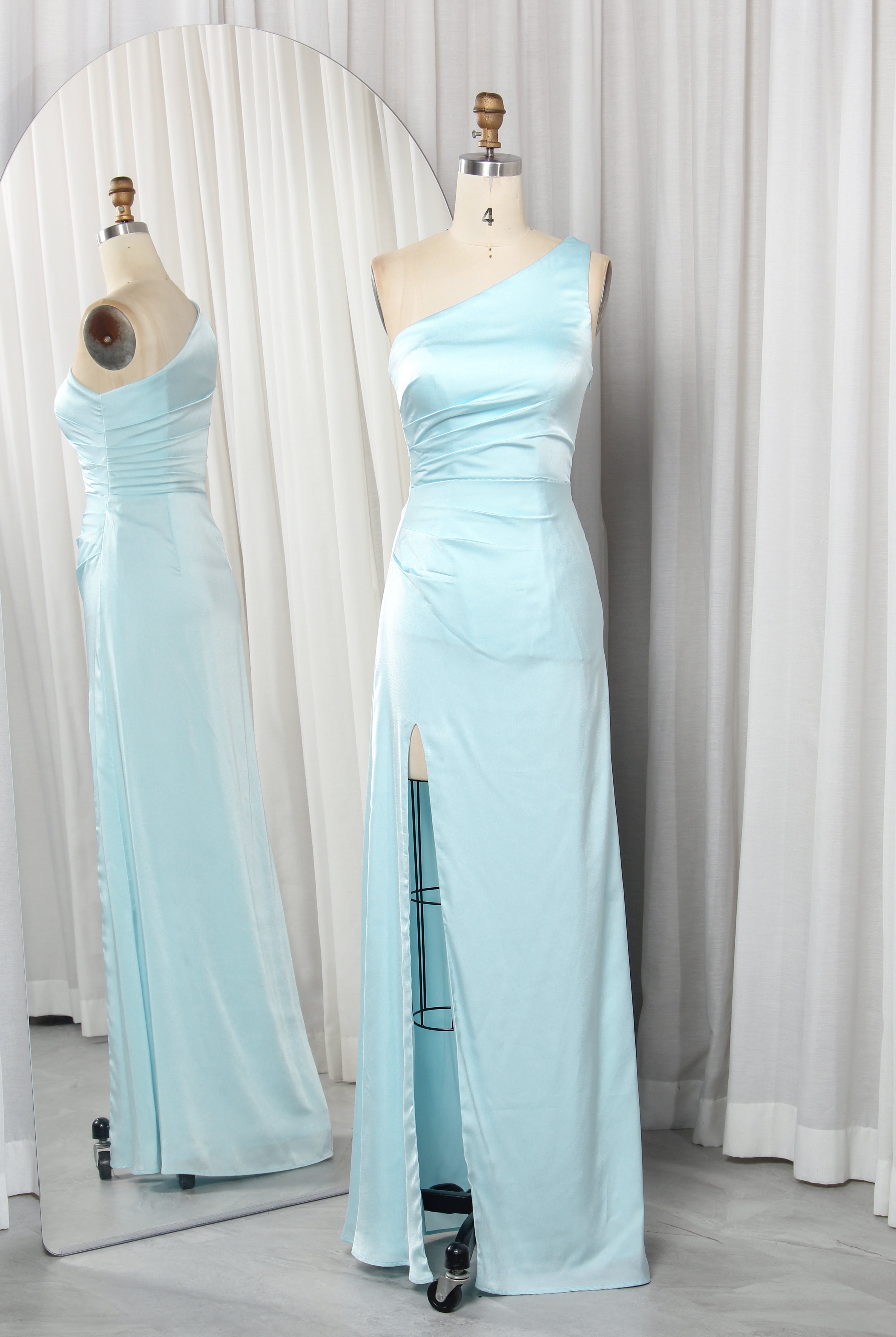
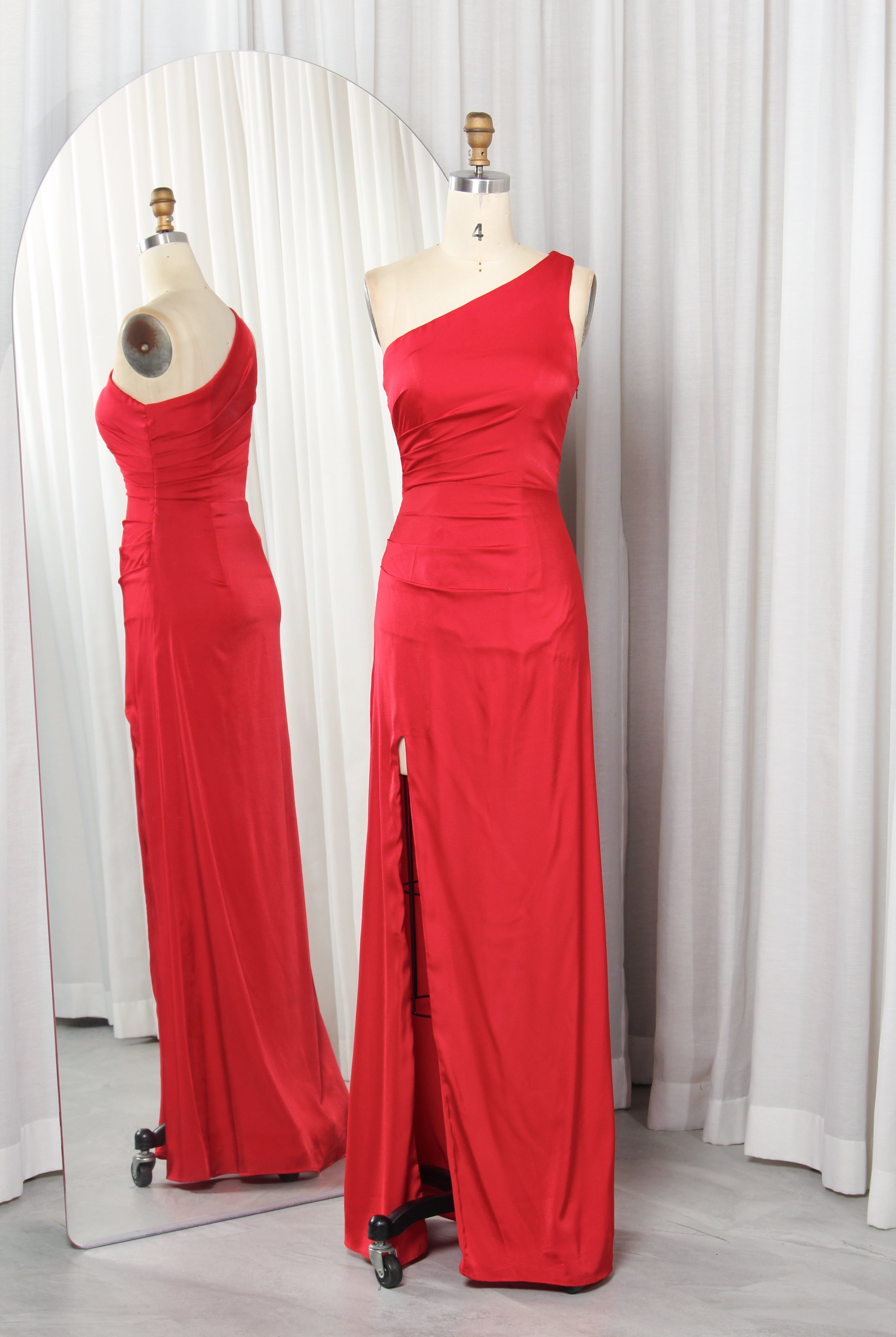
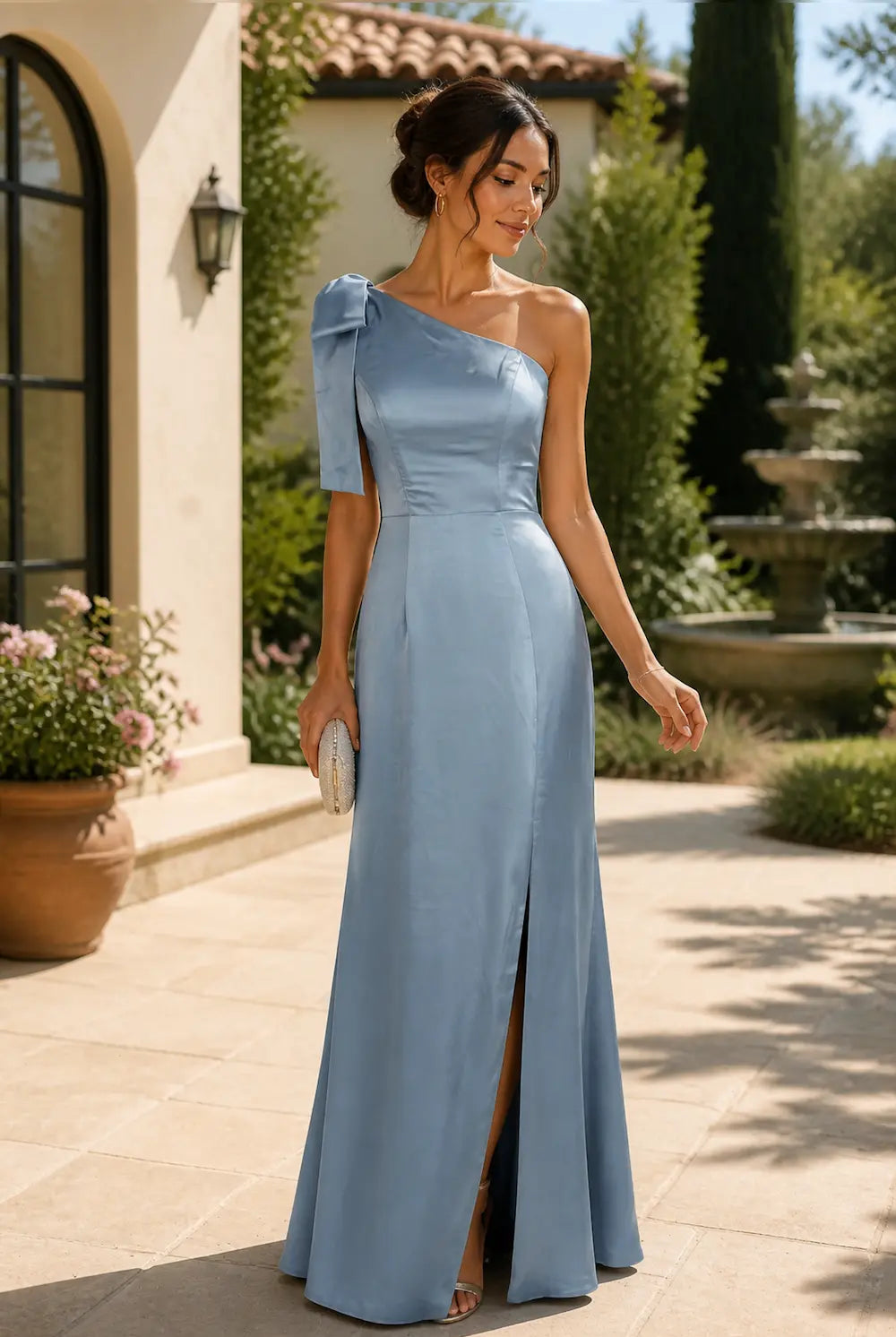
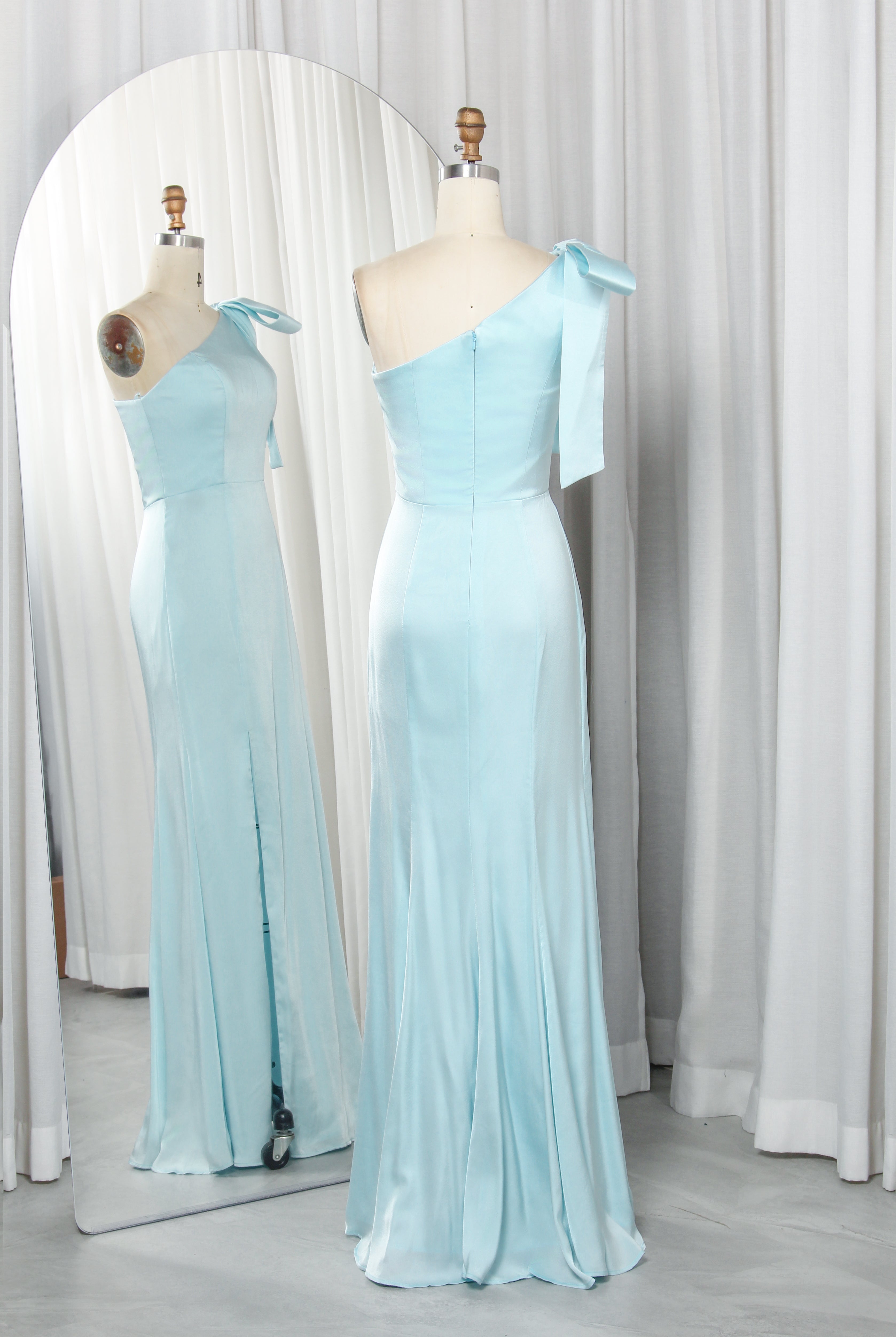
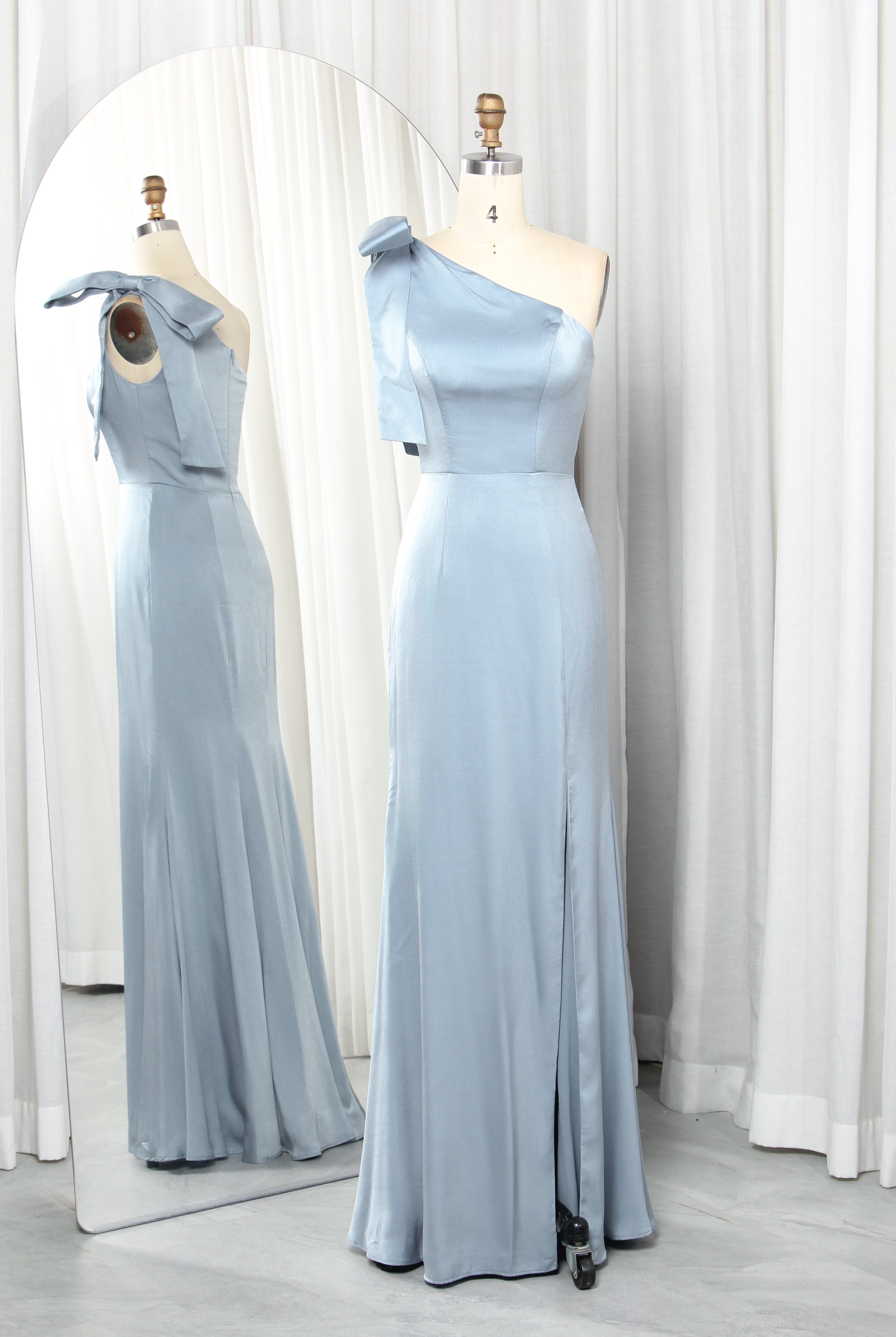
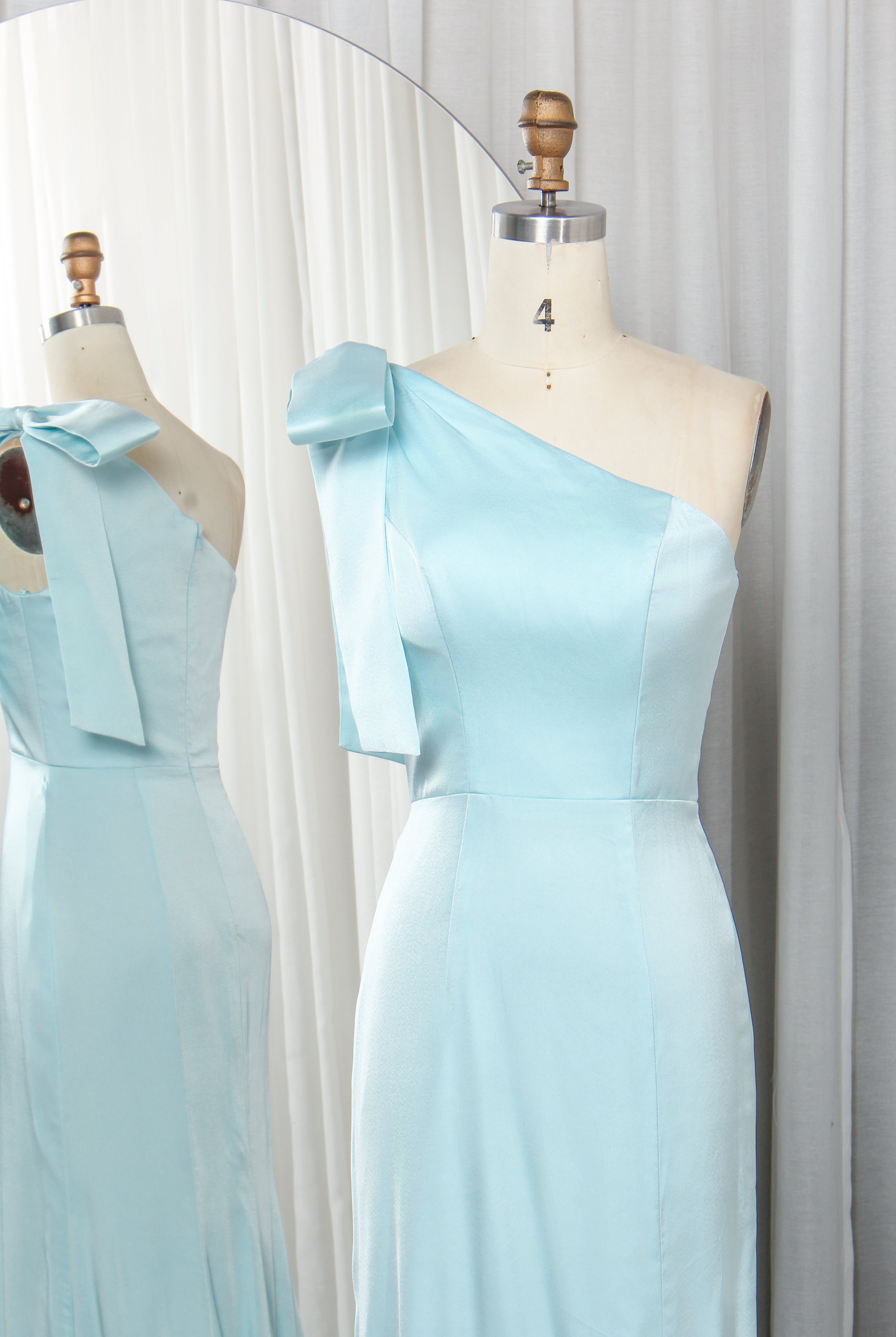
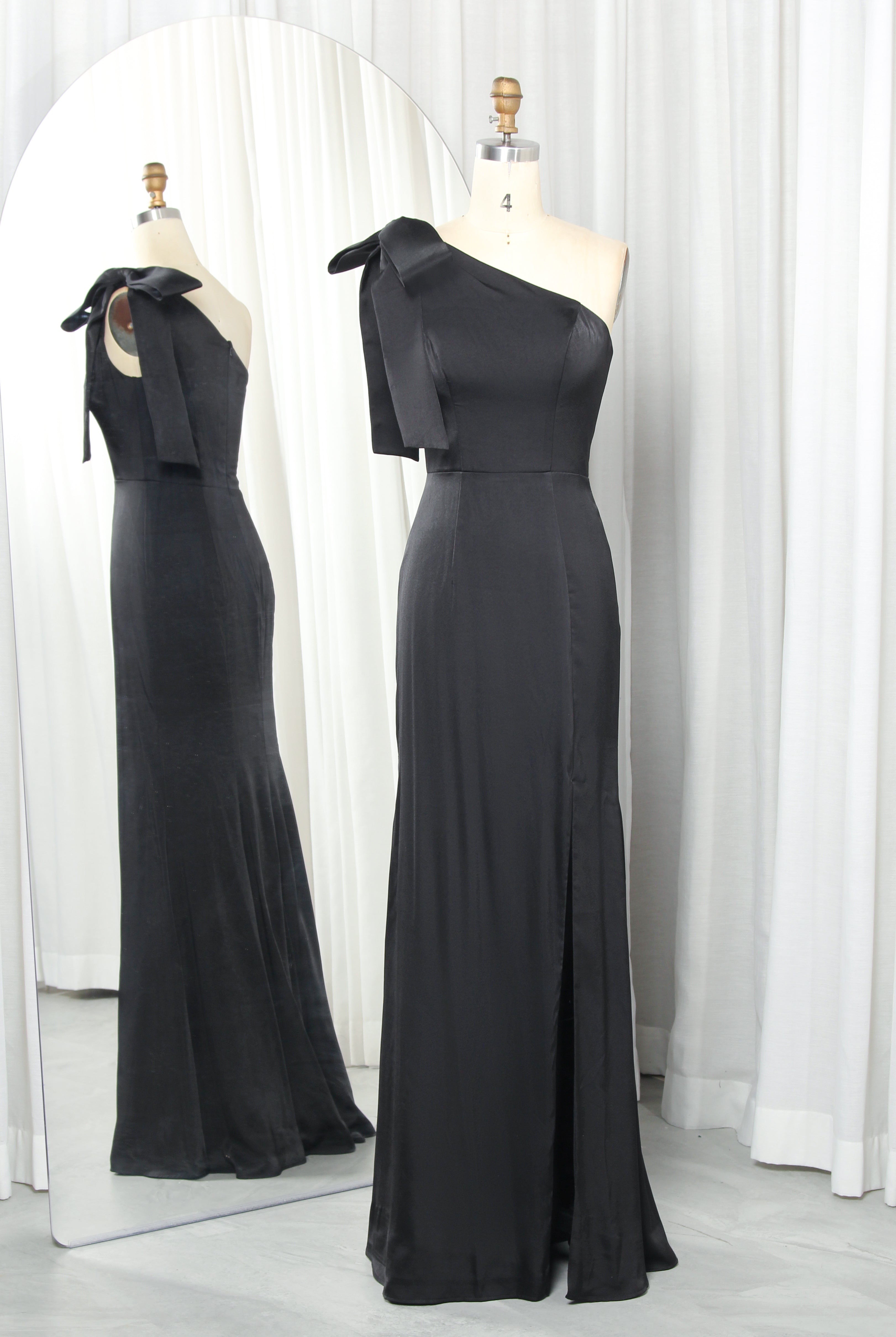
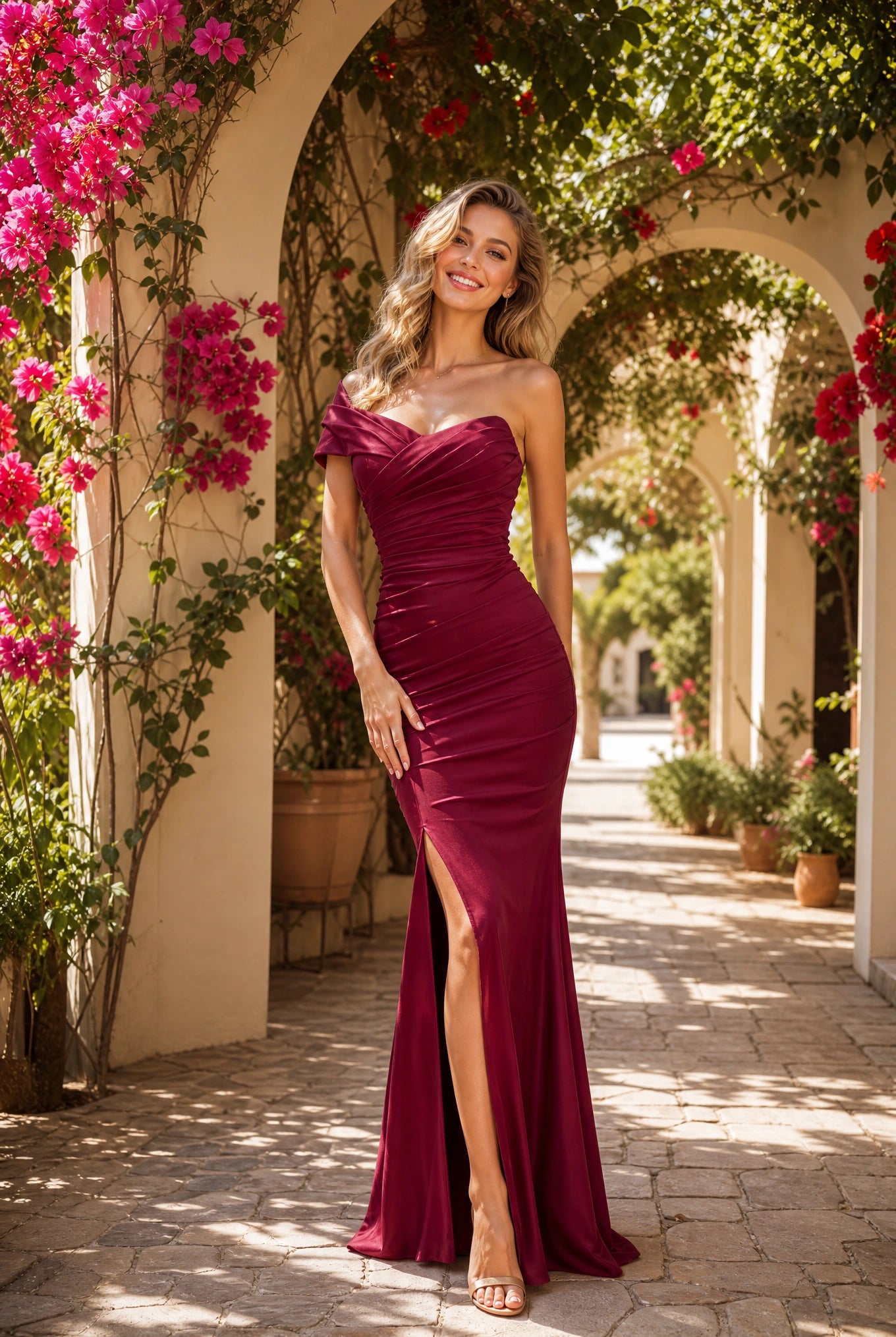
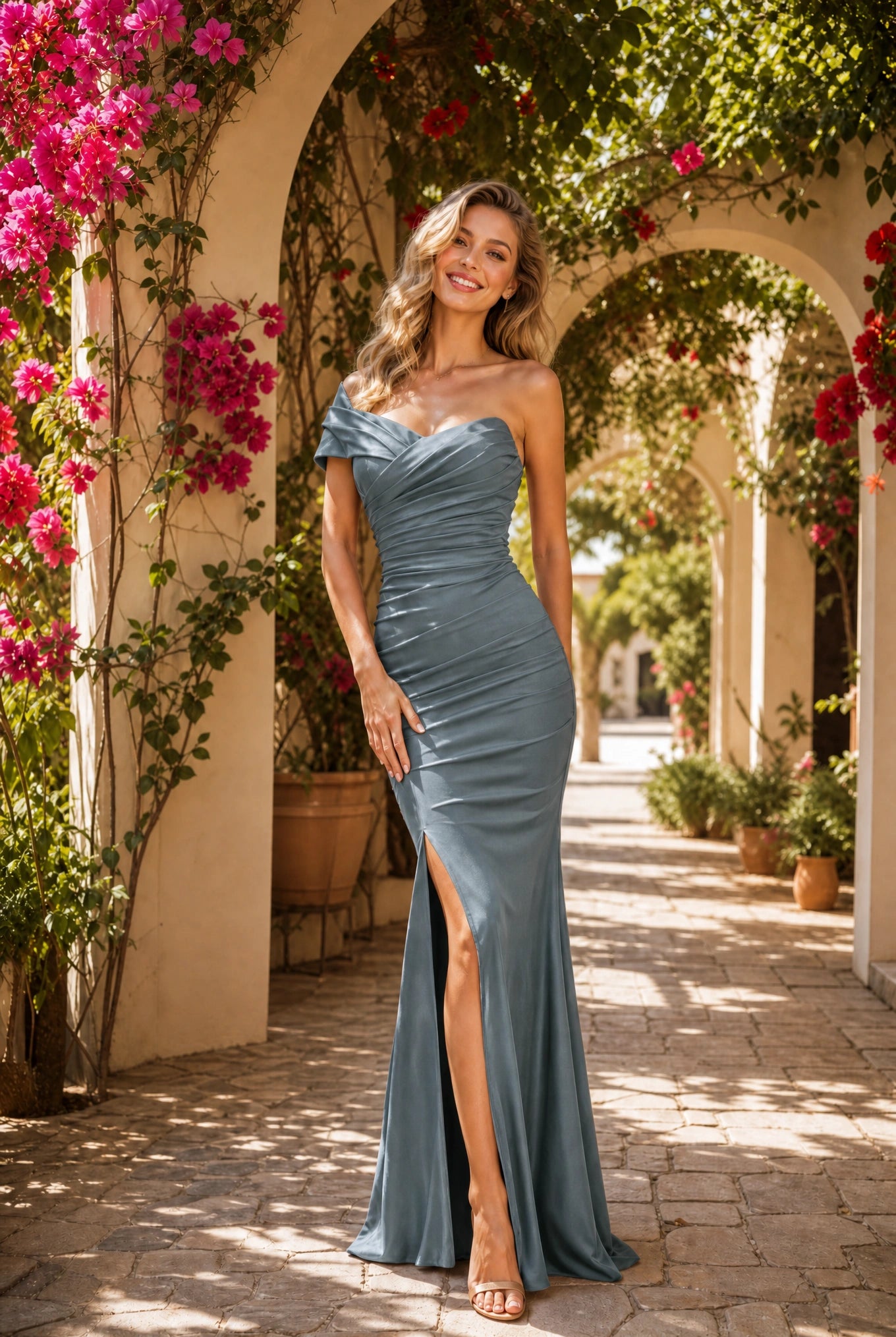
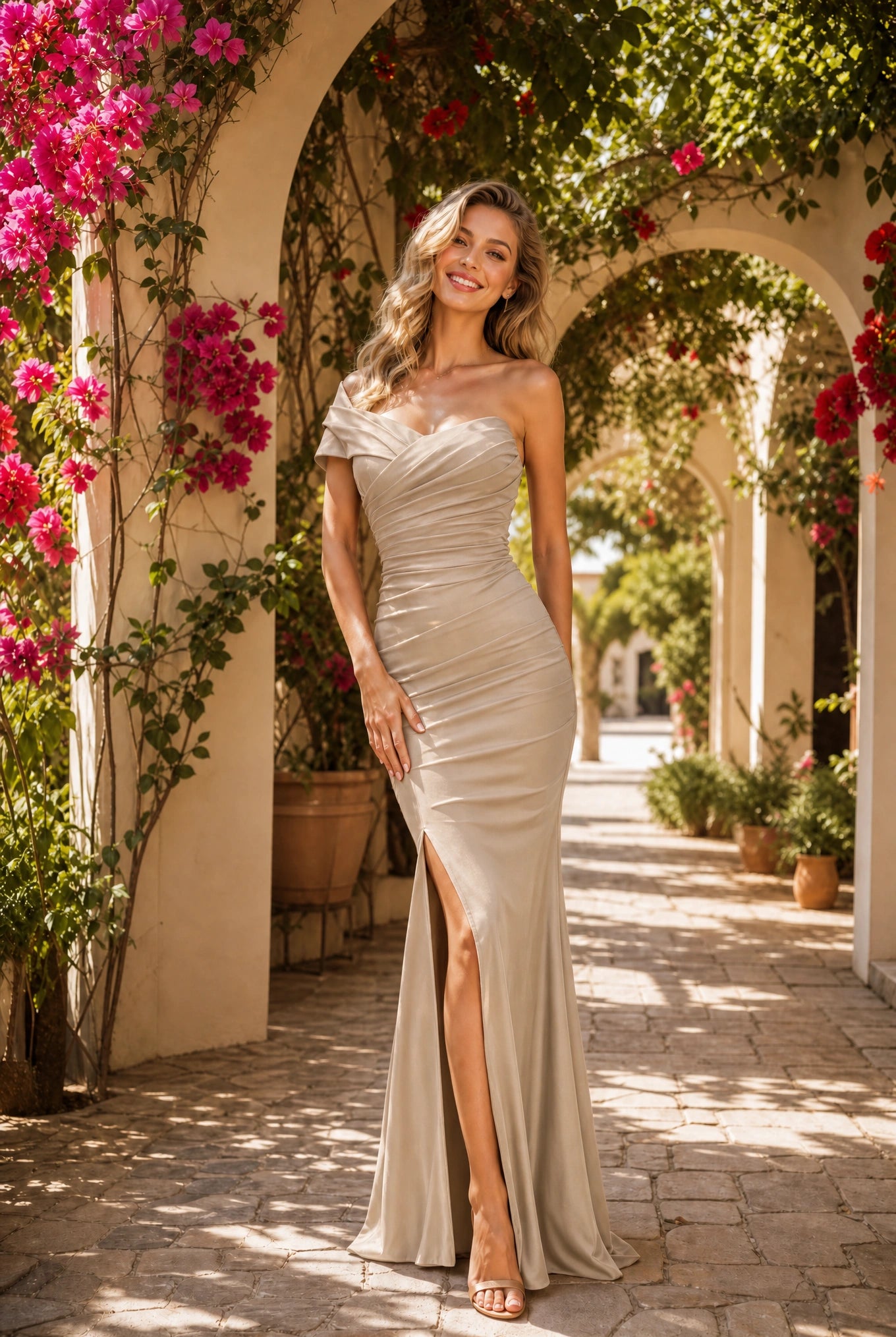


Mother of the Bride Dresses: Your Complete Guide to Choosing the Perfect Look
As the mother of the bride, your dress carries a unique significance — it should reflect your personal style, complement the wedding aesthetic, and allow you to feel confident and comfortable throughout one of the most memorable days of your life. This guide walks you through everything you need to know before choosing from our mother of the bride dress collection.
What Should a Mother of the Bride Dress Look Like?
There is no single rule — but there are a few guiding principles that help most mothers find a dress they feel truly proud to wear:
- Complement, don't compete: Your dress should harmonize with the wedding party's color palette without matching it exactly or overshadowing the bridal party.
- Match the formality level: A black-tie wedding calls for a floor-length gown. A garden or beach wedding may suit a midi or tea-length dress.
- Prioritize comfort: You will be on your feet for hours — greeting guests, taking photos, and dancing. Comfort is not a compromise; it is a requirement.
- Reflect your personal style: This is a celebration of your family. Your dress should feel like you — not a costume.
Coordinate with the mother of the groom early. You don't need to match, but avoiding a clash in color or formality level makes for better photos and a more cohesive look.
How to Choose the Right Silhouette
The silhouette determines how the dress moves, how it photographs, and how comfortable you feel throughout the day. Here are the most popular options for mothers of the bride:
- A-Line: Fitted at the waist and gently flares to the floor. Universally flattering and elegant. The most versatile choice for any wedding setting.
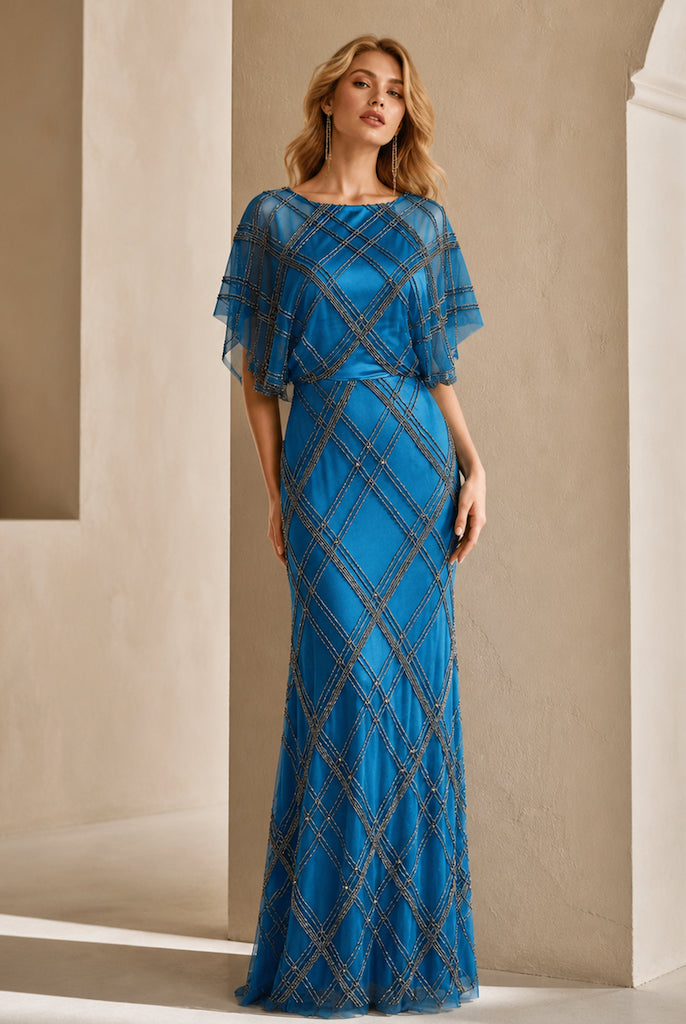
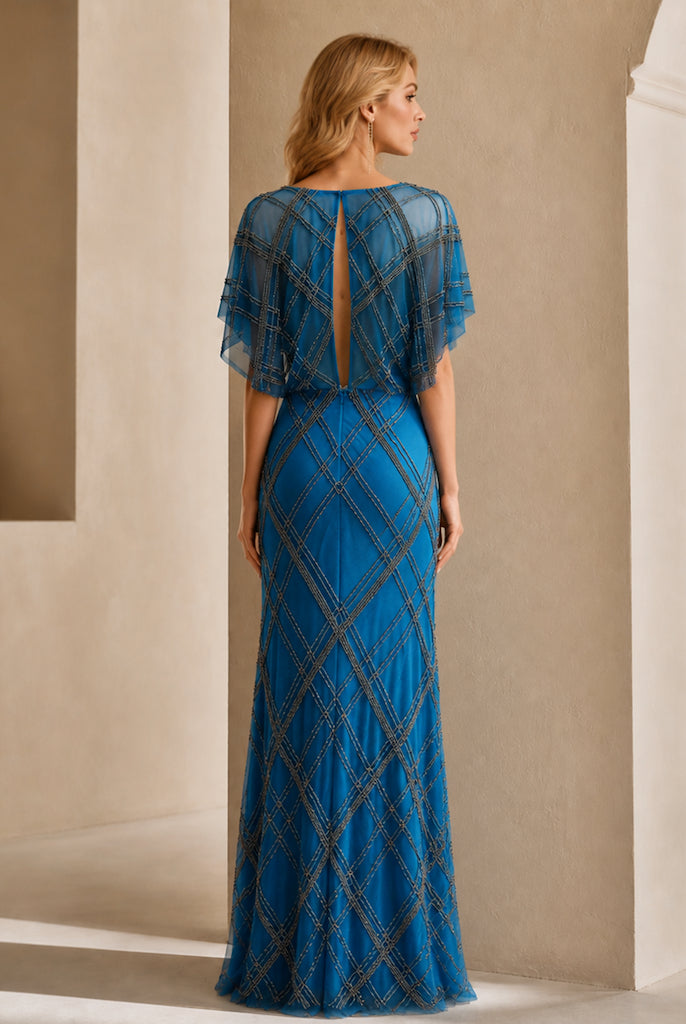
- Column / Sheath: Sleek and straight from shoulder to hem. Creates a long, lean line. Best for those who prefer a modern, understated look.
- Empire Waist: Gathered just below the bust and flows loosely to the floor. Comfortable and forgiving — ideal if you prefer a relaxed fit through the midsection.
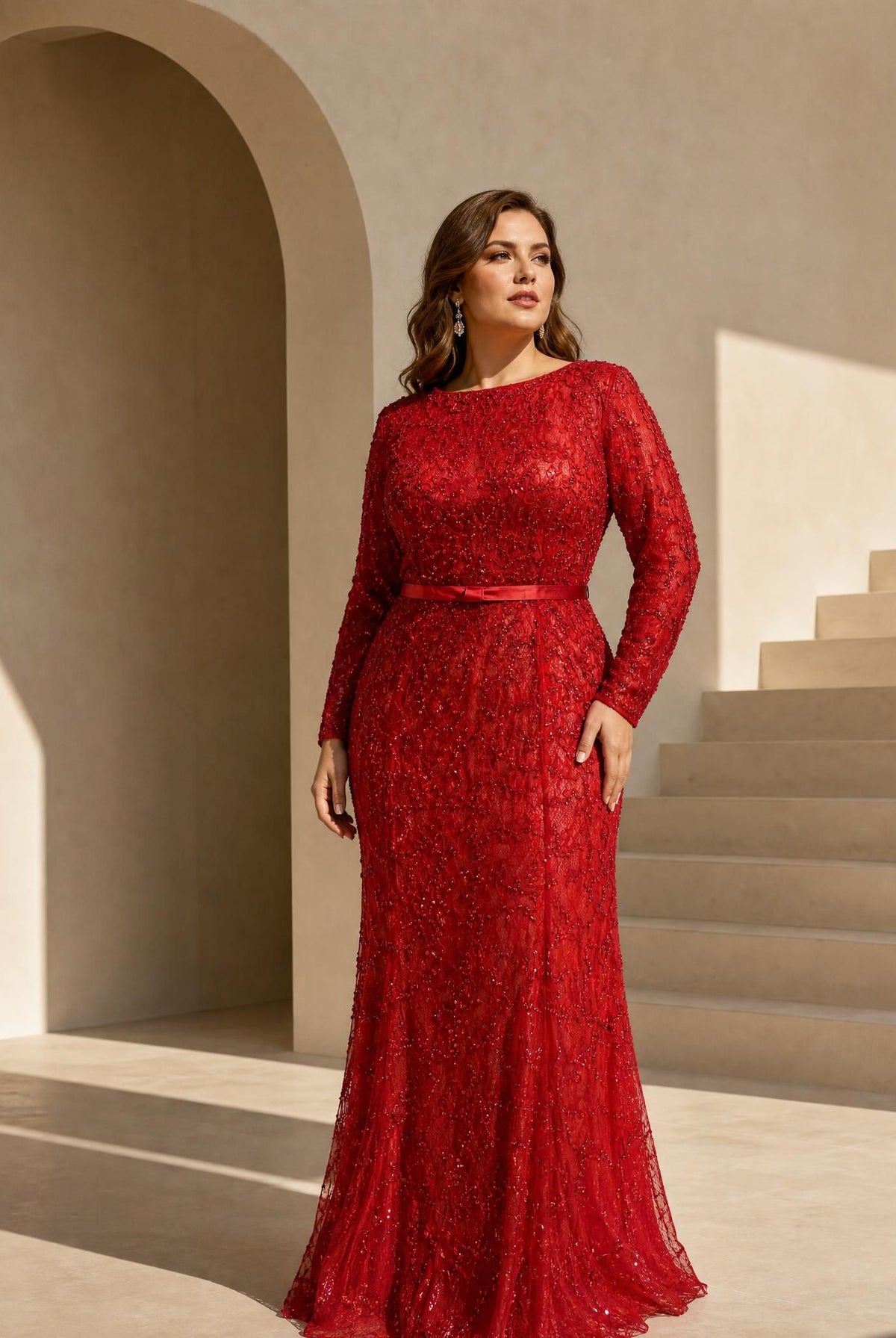
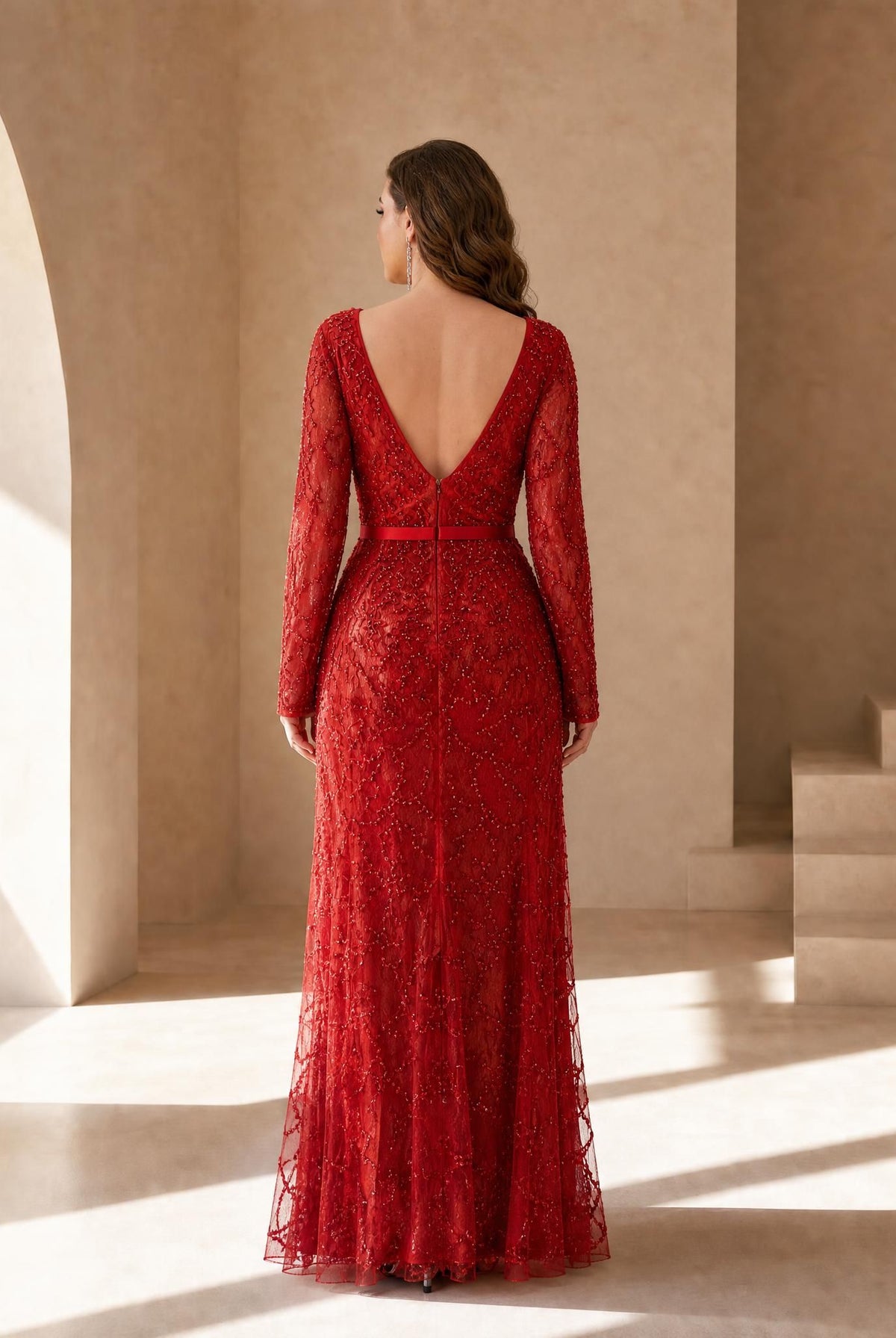
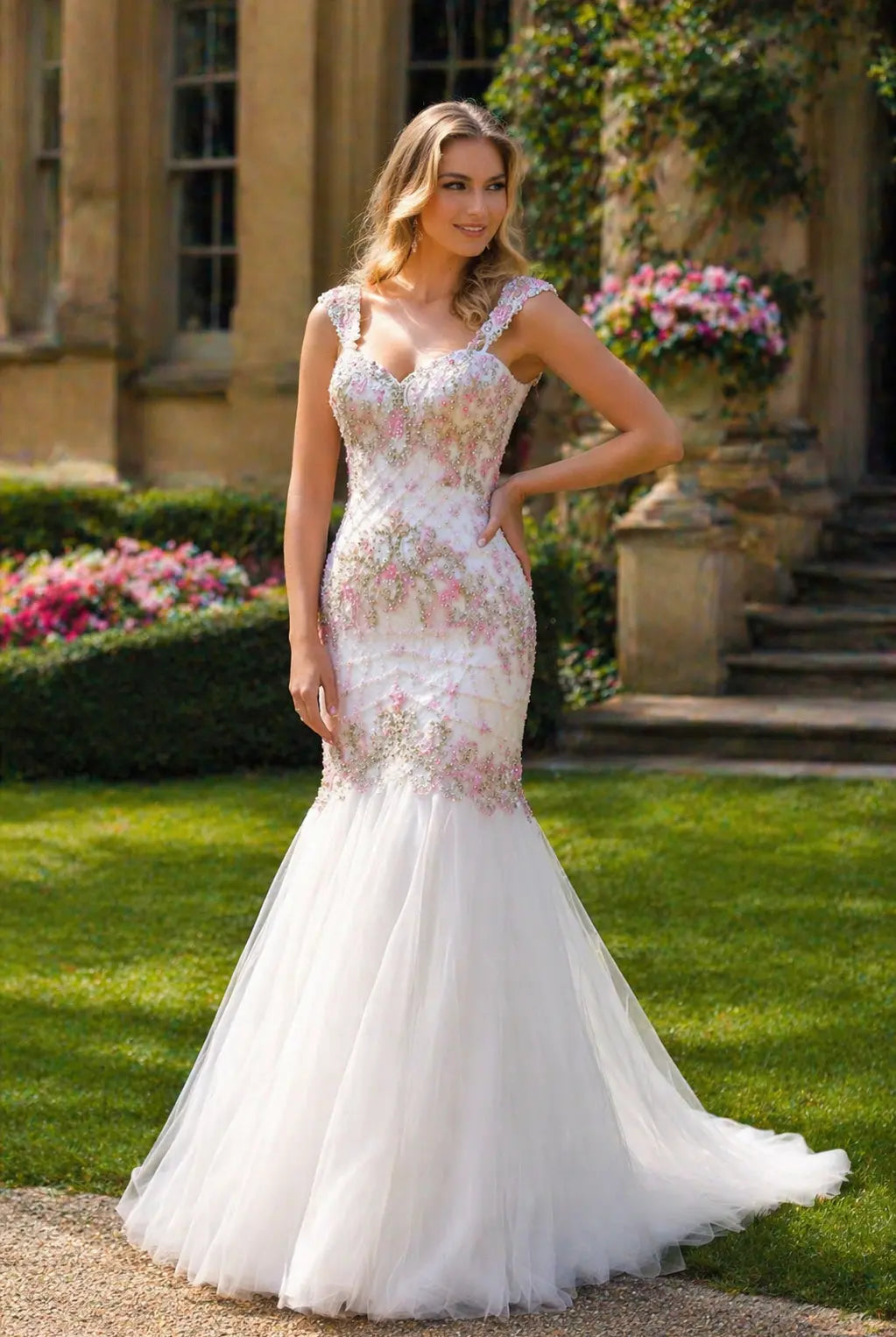
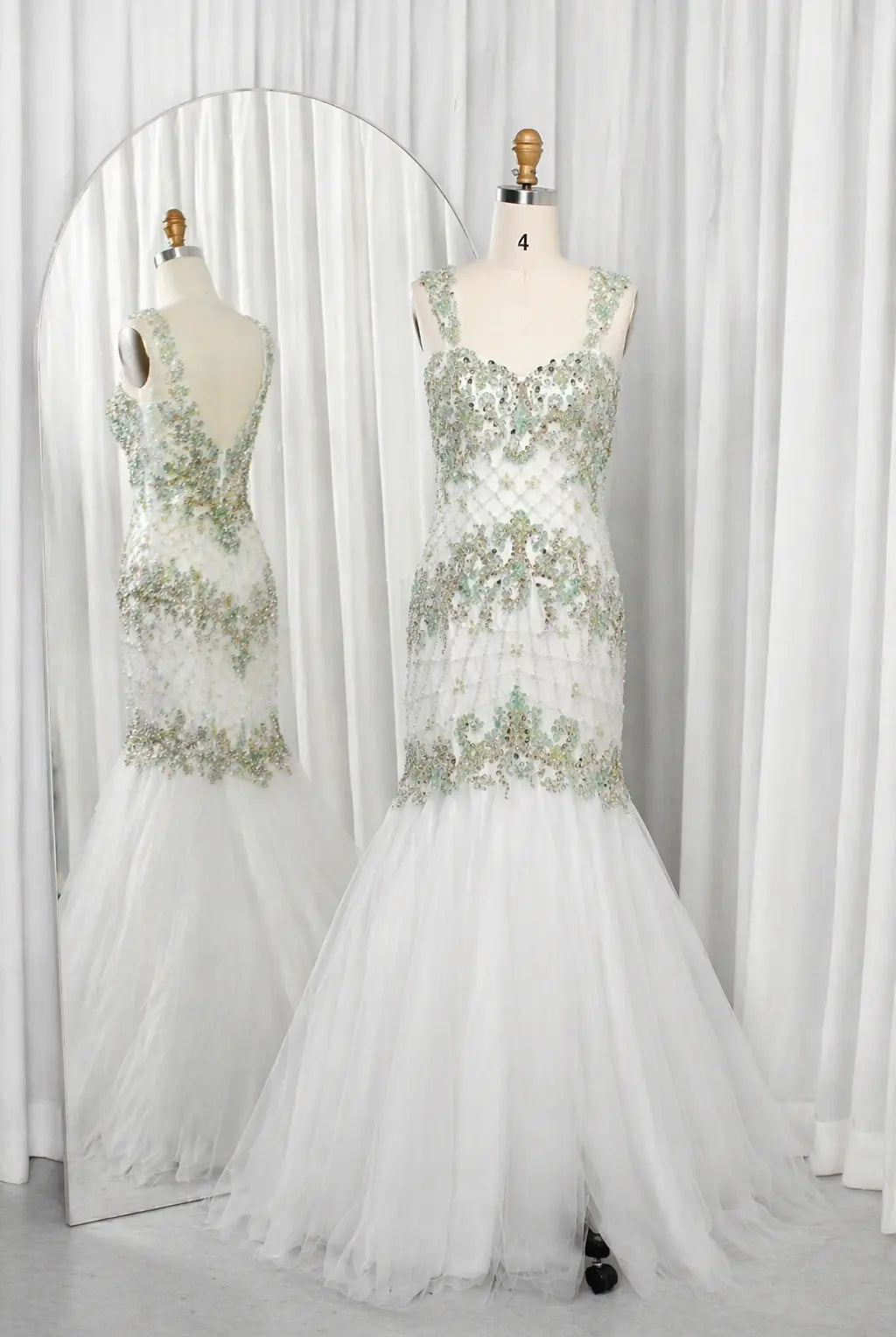
- Fit-and-Flare / Mermaid: Fitted through the body and flares at the knee. A more dramatic silhouette for those who want a fashion-forward look.
- Midi / Tea-Length: Falls between the knee and ankle. A refined, practical choice for outdoor or daytime weddings.
Fabric Guide: Choosing the Right Material for the Season
Fabric affects how a dress looks in photographs, how it feels throughout a long day, and how well it suits the wedding environment.
- Chiffon: Lightweight, flowy, and breathable. Ideal for outdoor, garden, or warm-weather weddings. Photographs beautifully in natural light.
- Satin: Smooth and lustrous with a refined finish. Best for formal or evening weddings. Holds its shape well throughout the day.
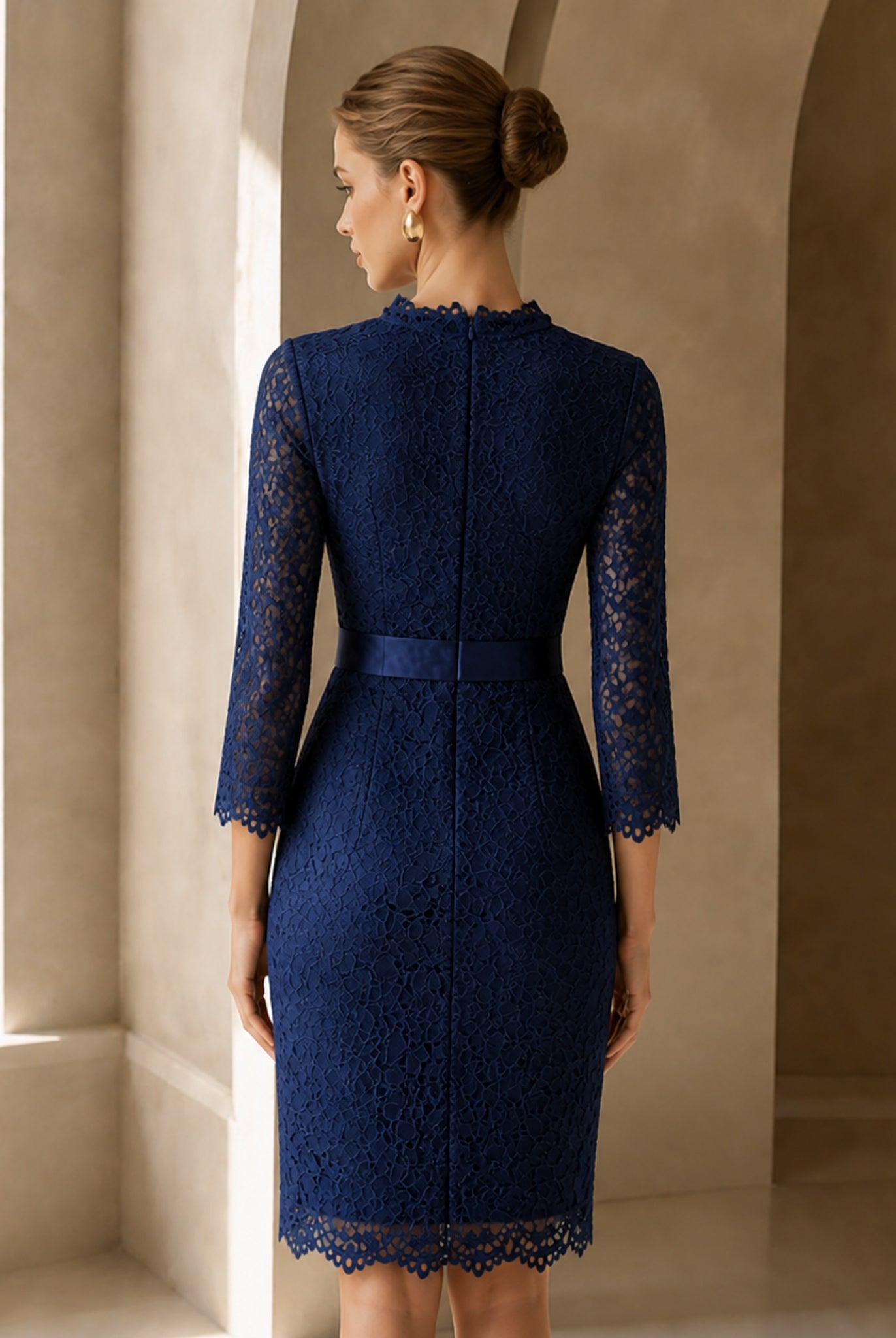
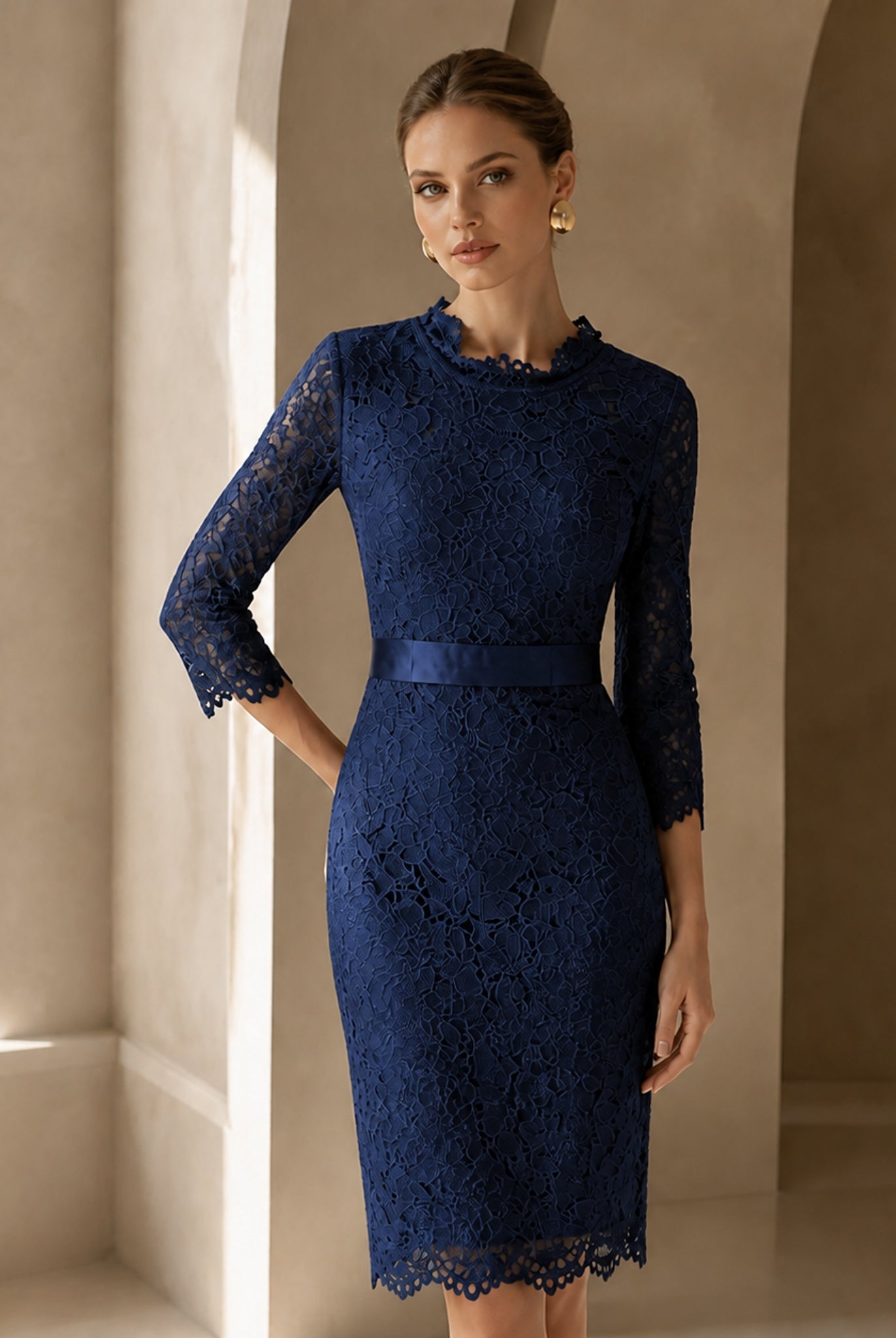
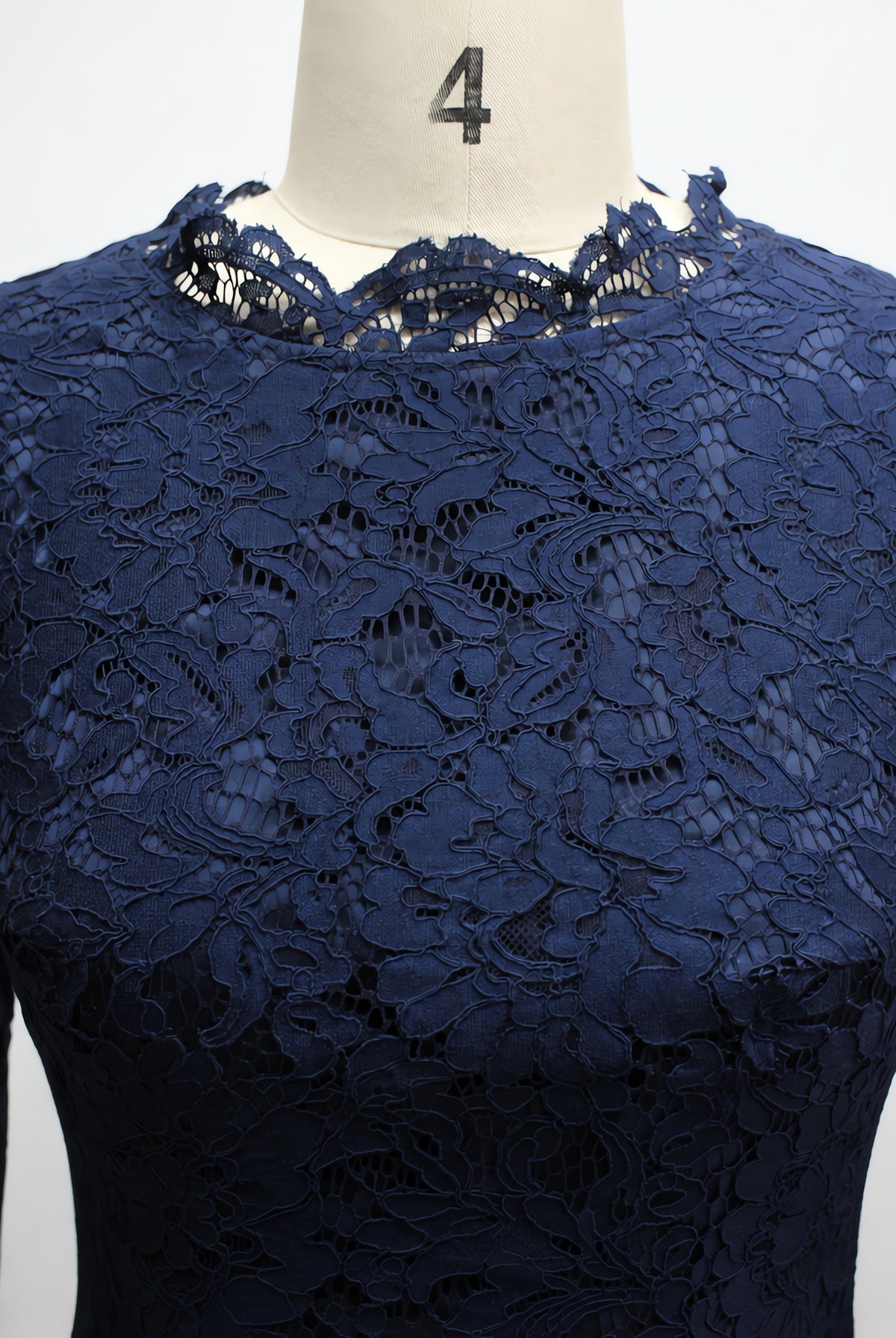
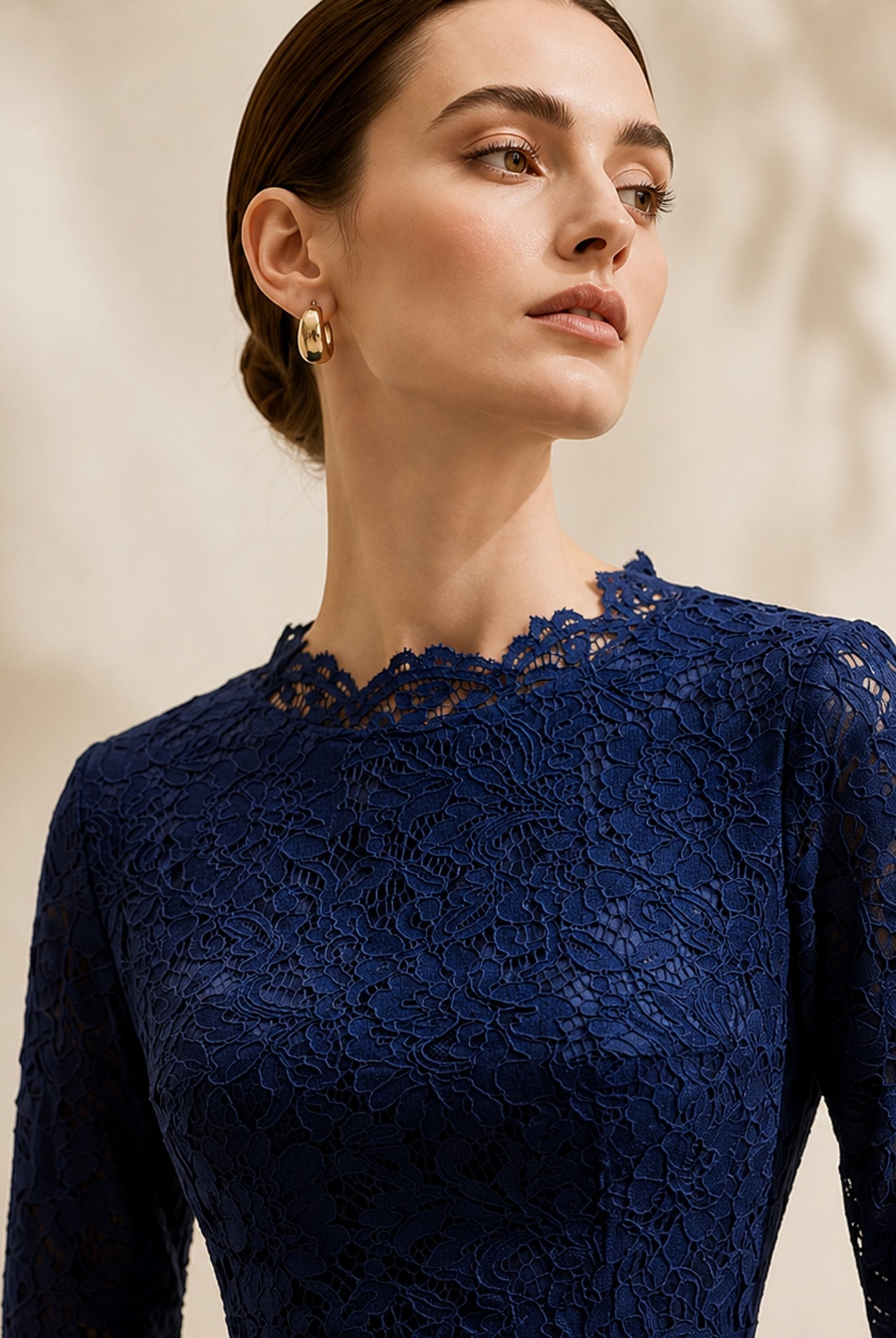
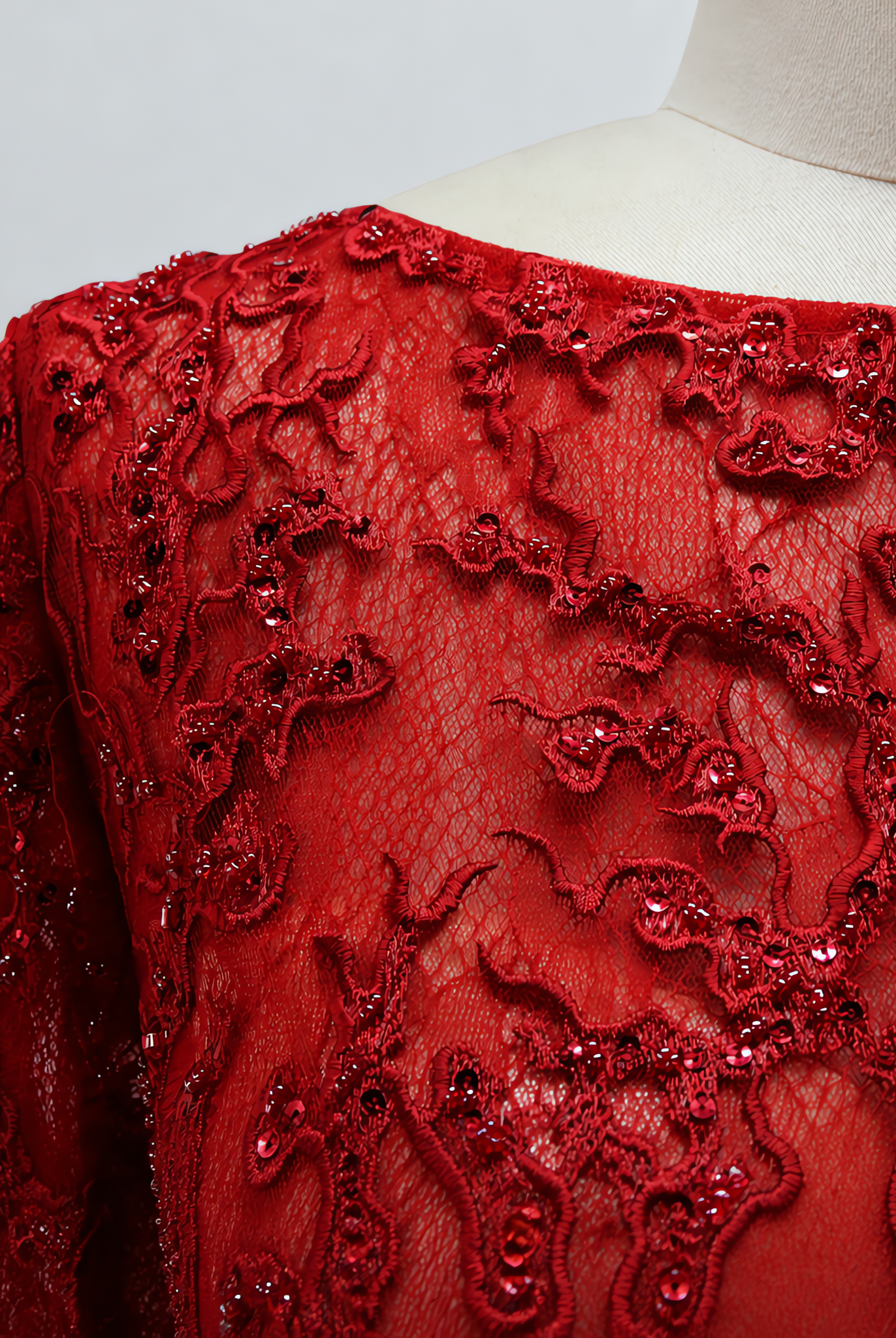
- Lace: Timeless and romantic. Works across all formality levels. Often used as an overlay or accent rather than the full fabric.
- Velvet: Rich and luxurious. Best suited for autumn or winter weddings in indoor venues.
- Crepe: Matte, structured, and wrinkle-resistant. A practical choice for long days — it holds its shape without looking stiff.
For outdoor summer weddings, prioritize breathable fabrics like chiffon or lightweight crepe. For formal evening events, satin or lace creates the most polished result.
Color Selection: How to Coordinate Without Clashing
Choosing the right color requires balancing your personal preference with the wedding's overall palette.
Colors to approach with care:
- White, ivory, and cream: Traditionally reserved for the bride. Best avoided unless the bride has specifically approved it.
- Exact bridesmaid colors: Wearing the same color as the bridal party can create confusion in photos. Choose a complementary shade instead.
Colors that work well:
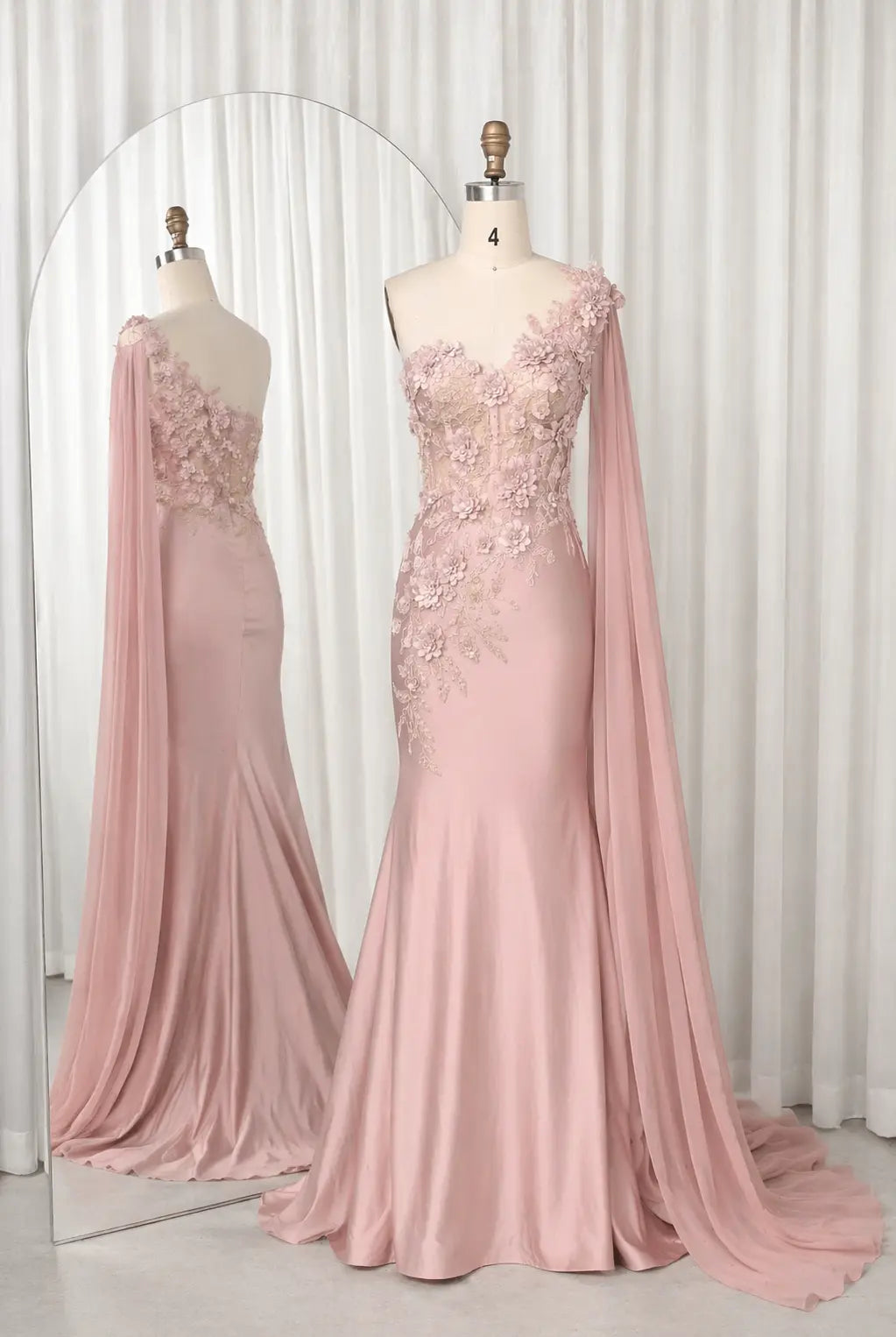
- Dusty rose, mauve, or blush — soft and universally flattering
- Navy, midnight blue, or slate — elegant and versatile across all seasons
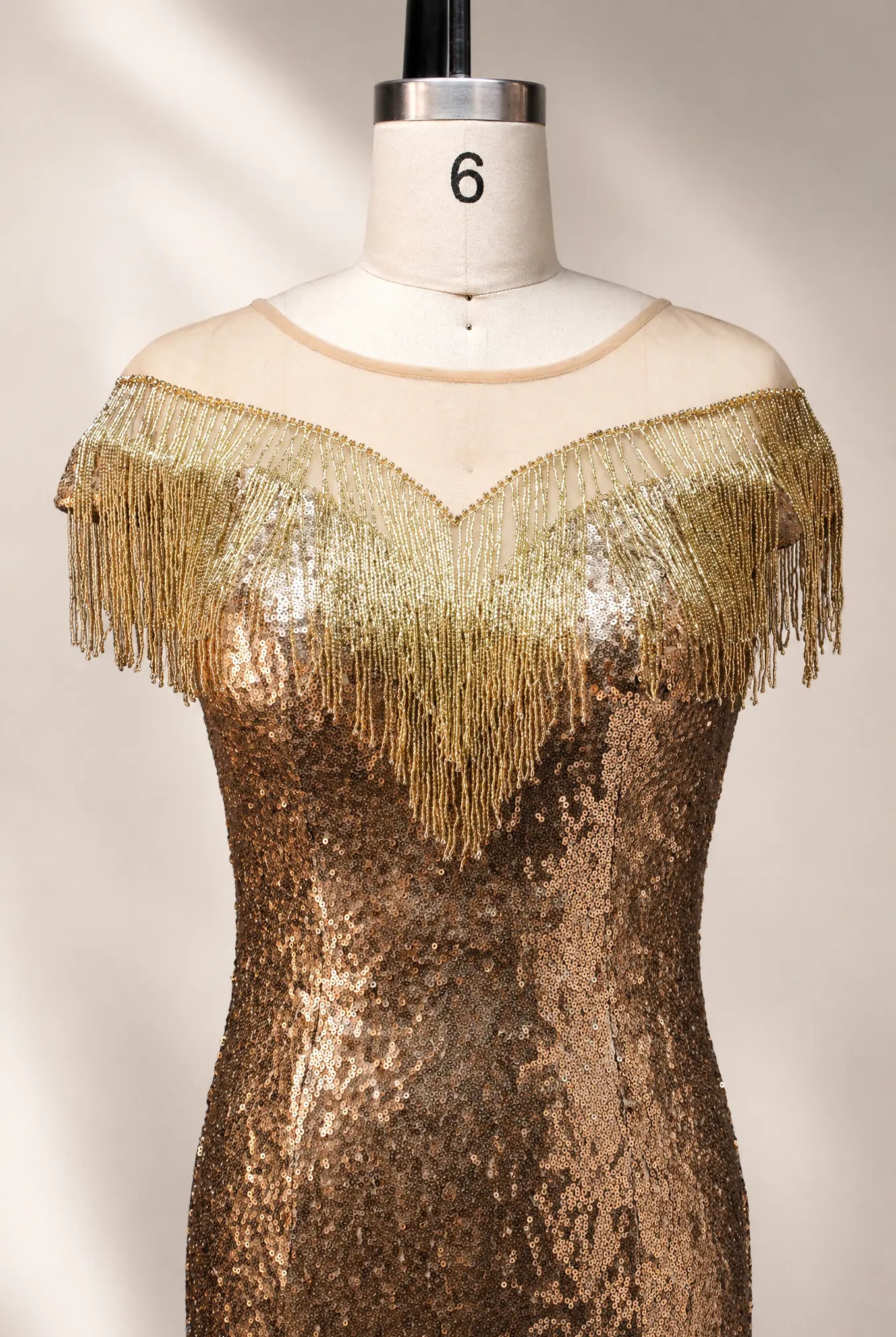
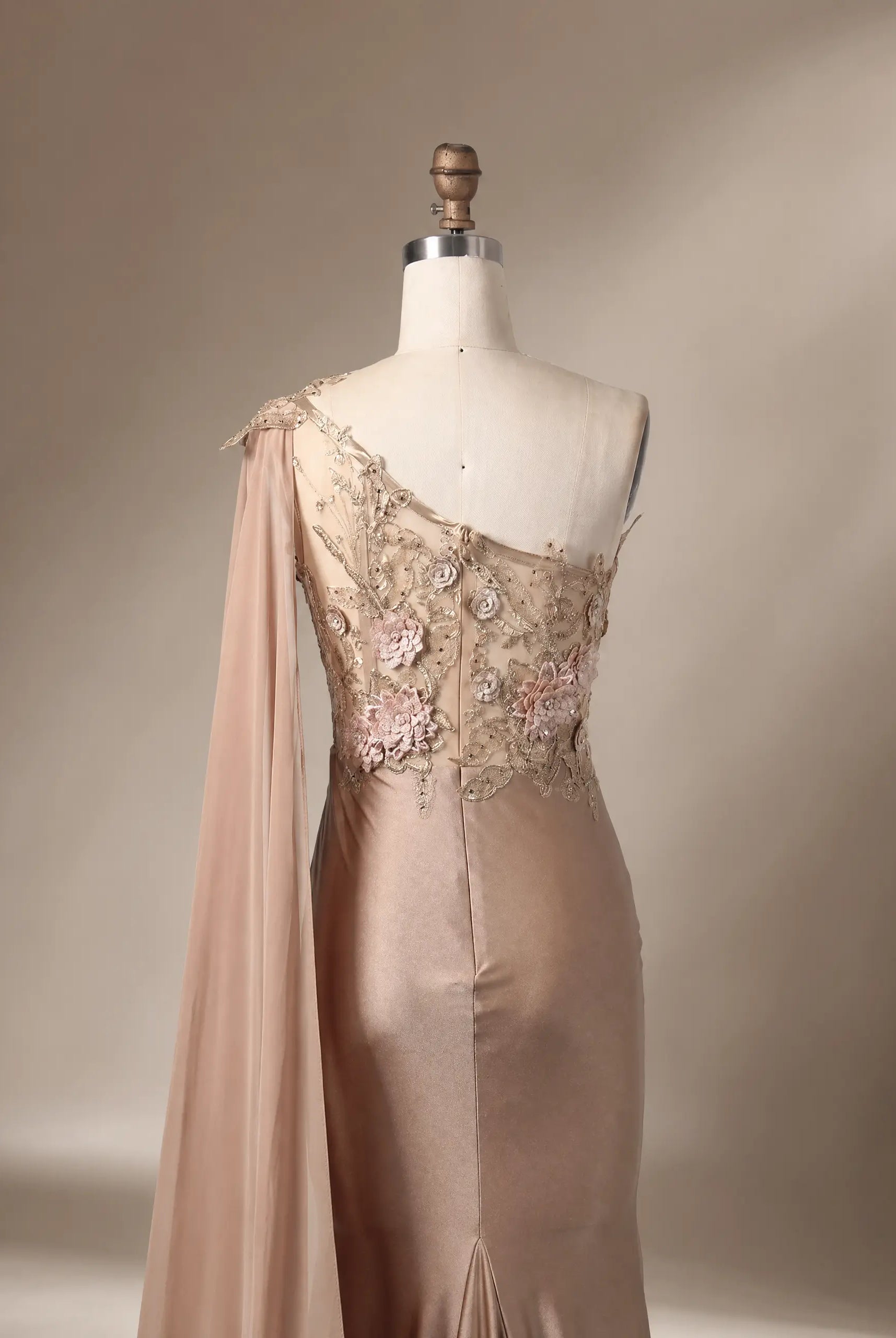
- Champagne or gold — warm and celebratory without competing with the bride
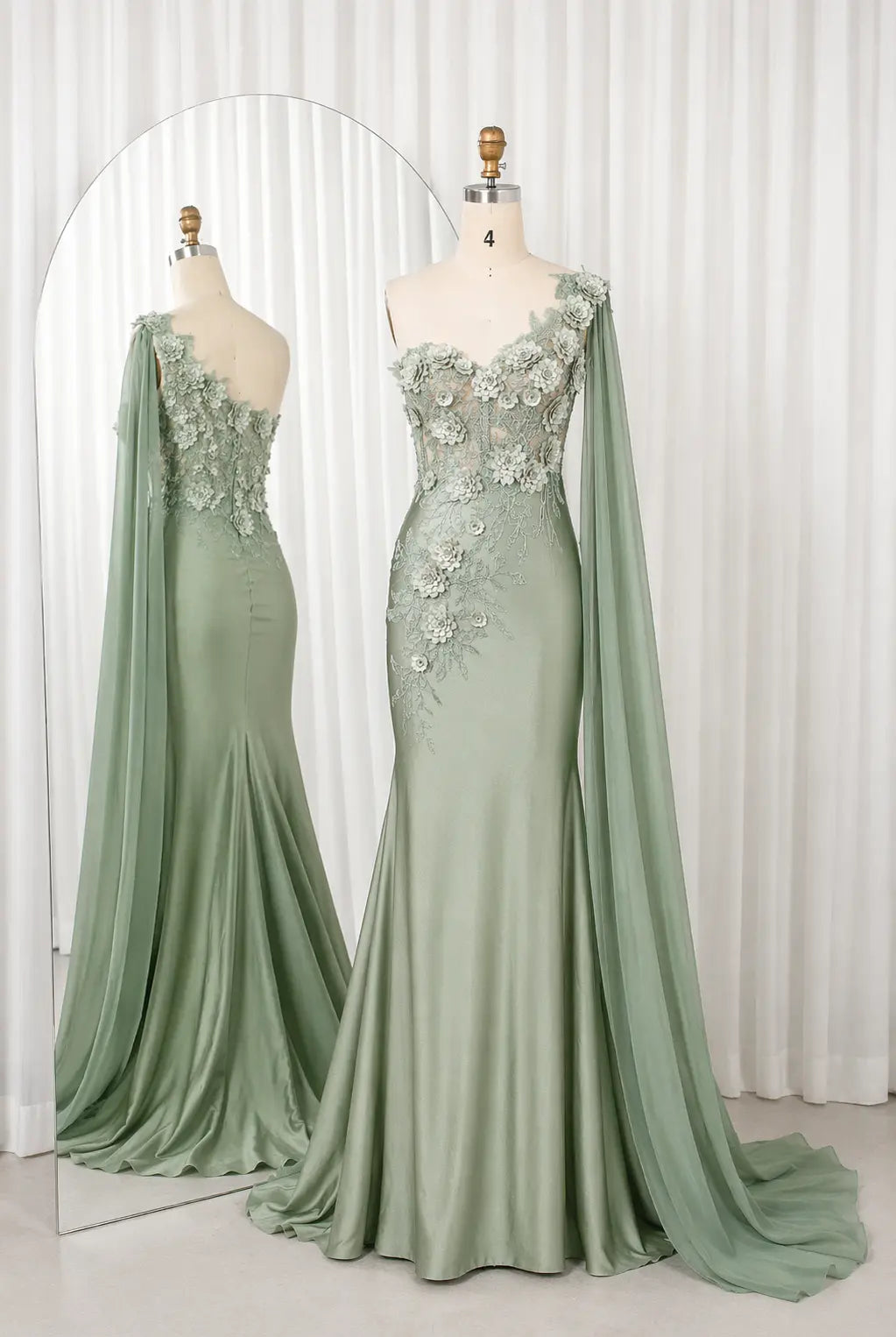
- Sage, forest green, or emerald — fresh and sophisticated for garden or outdoor settings
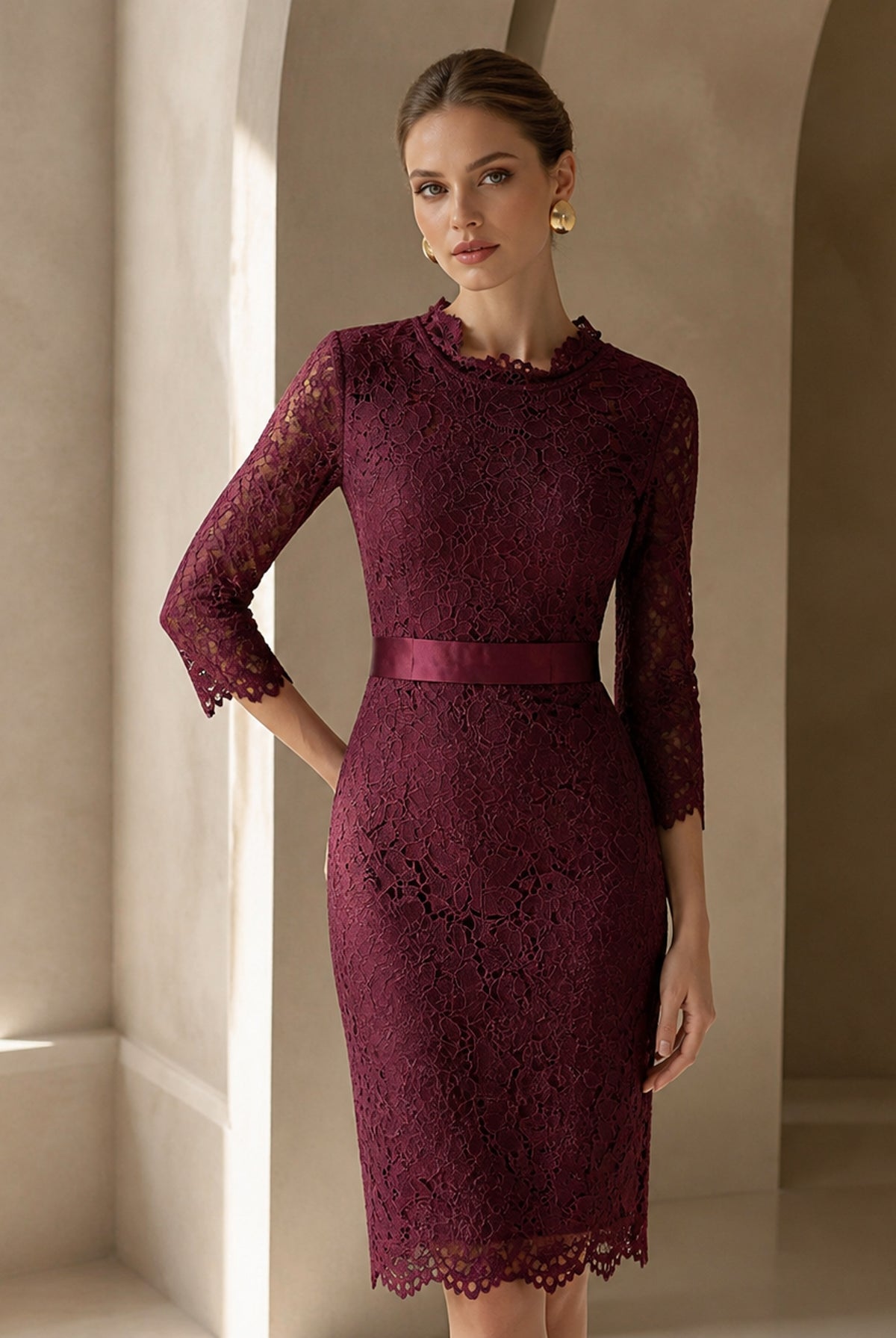
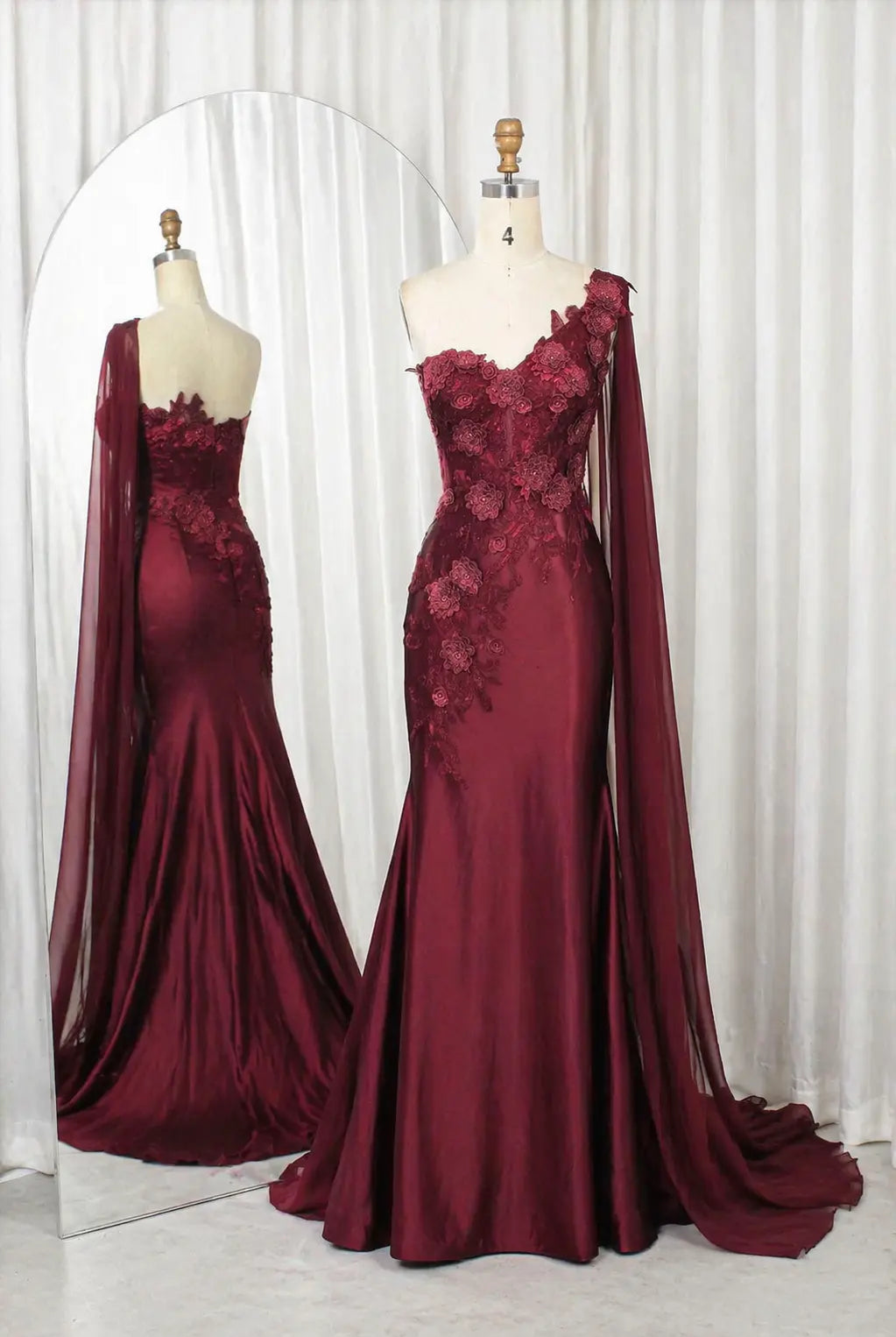
- Burgundy or wine — rich and formal, ideal for autumn and winter weddings
Ask the bride for a photo of the bridesmaid dresses before finalizing your color. A quick comparison prevents any unintentional clashes.
Sizing and Fit: Getting It Right Before You Order
Formal dress sizing differs significantly from everyday clothing. Taking accurate measurements before ordering is the single most important step in ensuring a great fit.
- Measure your bust, waist, and hips in inches or centimeters. Use a soft measuring tape and measure over light undergarments.
- Check the size chart on each product page. Our size charts are style-specific — do not assume your size is consistent across different dresses.
- When between sizes, size up. Taking in a dress is straightforward for any tailor. Letting one out is often not possible.
- Plan for alterations. Most formal dresses benefit from minor tailoring — hemming, adjusting the waist, or taking in the sides. Budget 1–2 weeks for this after your dress arrives.
If you are unsure about sizing, contact us before placing your order. We are happy to help you choose the right size based on your measurements and the specific dress style.
Sleeve & Coverage Options: Finding Your Comfort Level
Coverage is a personal preference — and there are beautiful options across every level of formality and modesty.
- Sleeveless / strapless: Clean and classic. Works well if you plan to add a wrap, shawl, or jacket for the ceremony.
- Cap sleeves: Minimal coverage that adds a polished finish without restricting movement.
- Short sleeves: A practical and elegant choice that photographs well and suits most body types.
- Three-quarter sleeves: One of the most popular choices for mothers of the bride — provides coverage without feeling heavy or formal.
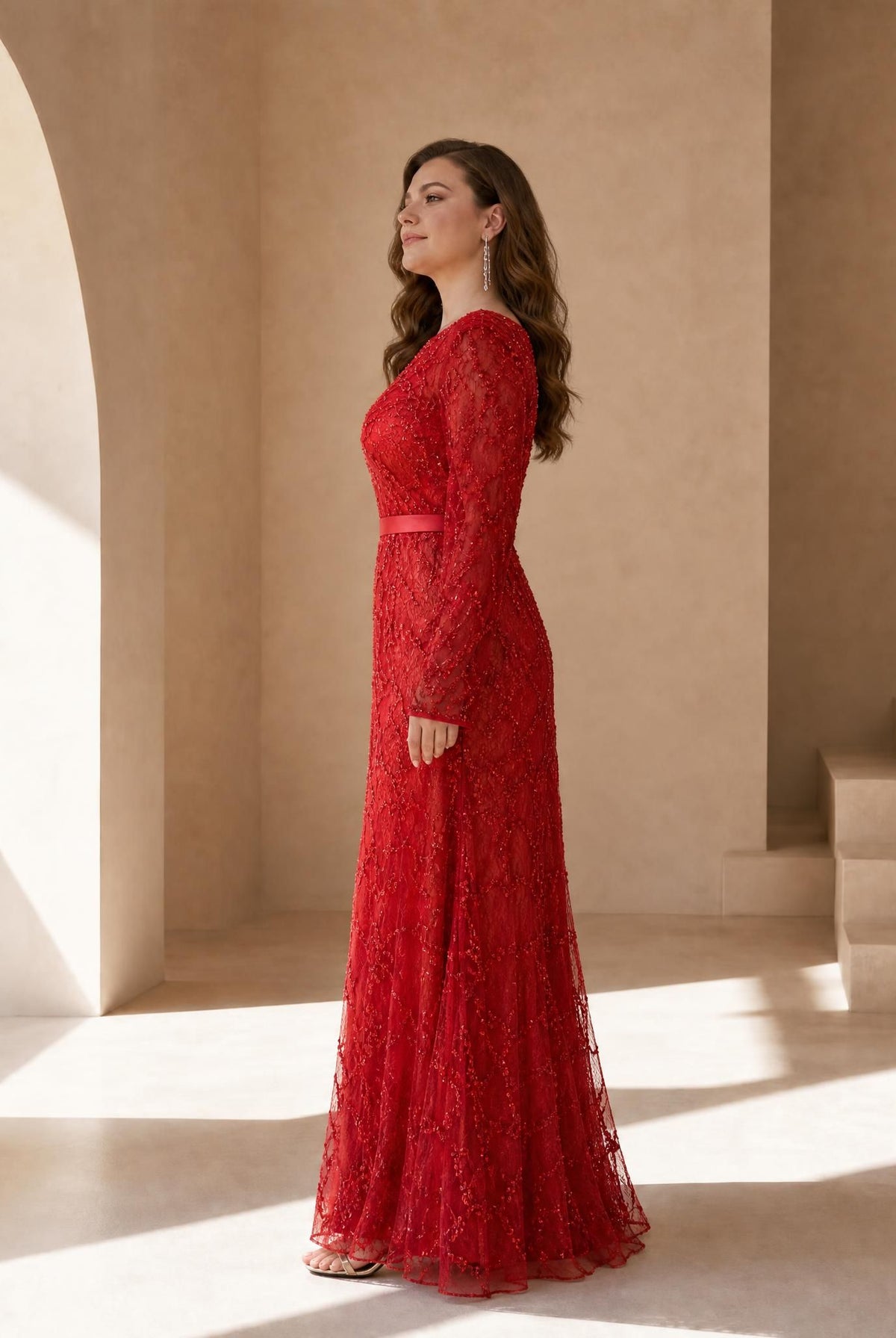
- Long sleeves: Ideal for winter weddings or more conservative dress codes. Lace long sleeves in particular add a refined, timeless quality.
Many of our dresses also come with a matching jacket or bolero, giving you flexibility to adjust coverage throughout the day.
Ordering & Delivery: Planning Your Timeline
We recommend ordering your mother of the bride dress well in advance to allow time for production, delivery, and any alterations needed.
- 3–4 months before the wedding: Ideal ordering window for made-to-order styles. This allows comfortable production time, shipping, and a full alterations window.
- 6–8 weeks before: Still workable for most made-to-order styles. Contact us to confirm current production timelines before ordering.
- 3–5 weeks before: Choose in-stock or ready-to-ship styles only. Look for items tagged "Ready to Ship" or "14 Days."
- Under 3 weeks: Contact us directly before ordering. We will advise on the fastest available options based on current stock.
Once your dress arrives, try it on immediately with the shoes and undergarments you plan to wear. Book your tailor appointment right away — alterations for formal gowns can take up to two weeks during peak wedding season.
Styling Your Look: Shoes, Accessories & Finishing Touches
The right accessories complete the look without drawing attention away from the dress itself.
Shoes:
- Block heels or kitten heels offer elegance with comfort for long days.
- Embellished flats are a practical and stylish alternative — especially for outdoor venues.
- Choose a heel height you can comfortably wear for 6–8 hours, including dancing.
Jewelry:
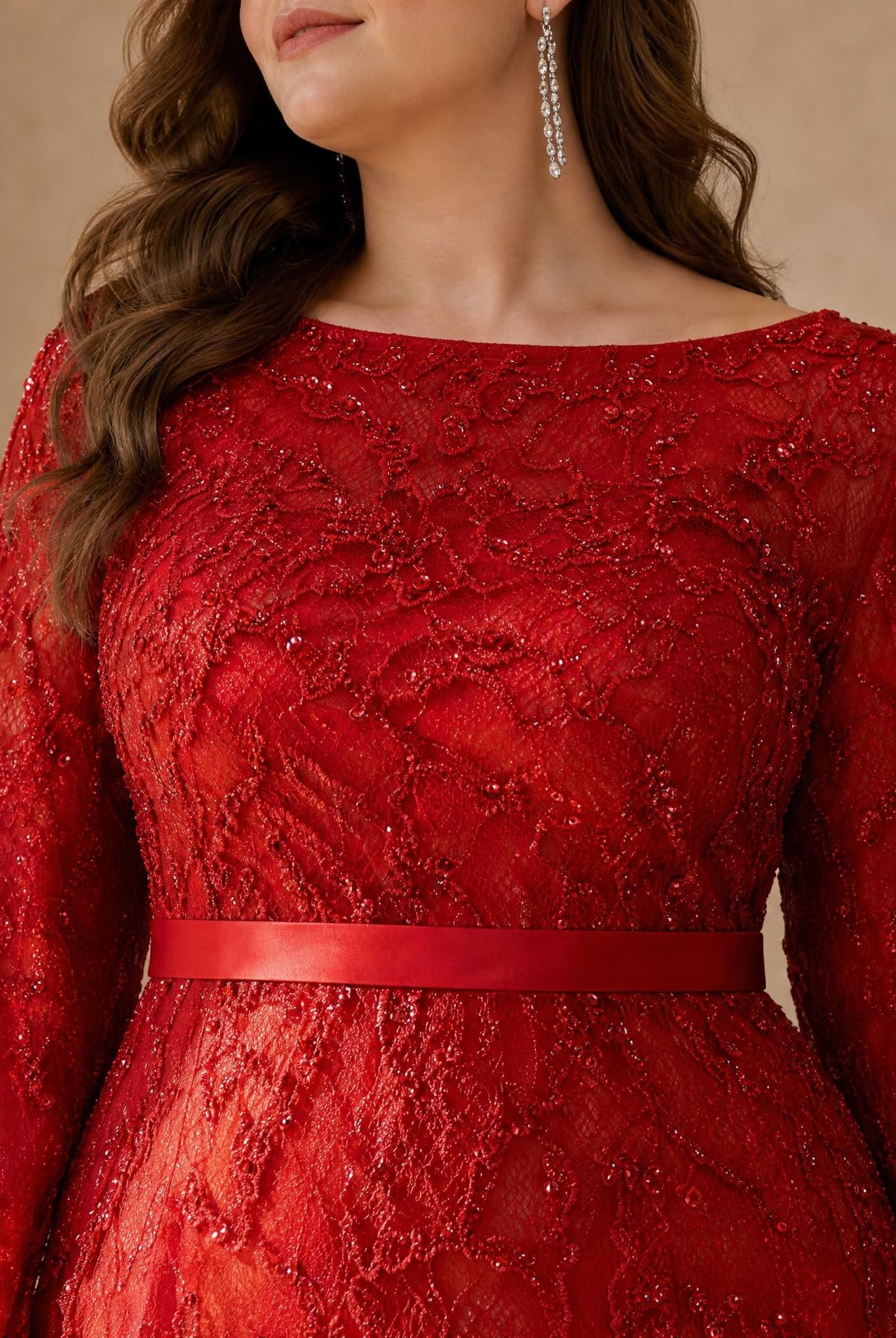
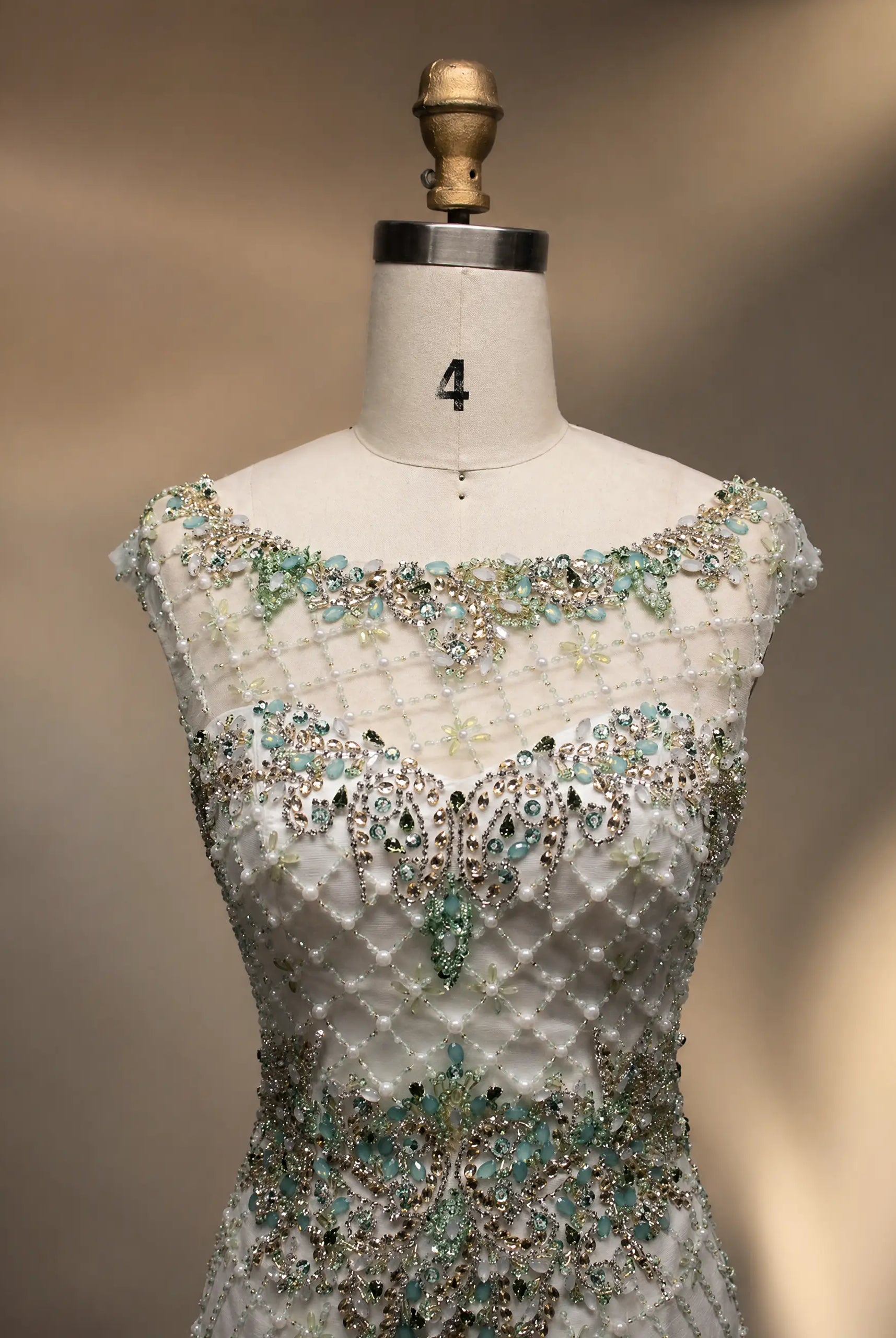
- For embellished or beaded dresses, keep jewelry minimal — small earrings and a simple bracelet are enough.
- For simpler, clean-lined dresses, a statement necklace or chandelier earrings add elegance.
- Pearls remain a timeless and universally appropriate choice for wedding occasions.
Wrap or Jacket:
- A chiffon wrap or lace bolero adds coverage for the ceremony and can be removed for the reception.
- Many of our dresses include a matching jacket — check the product details for availability.