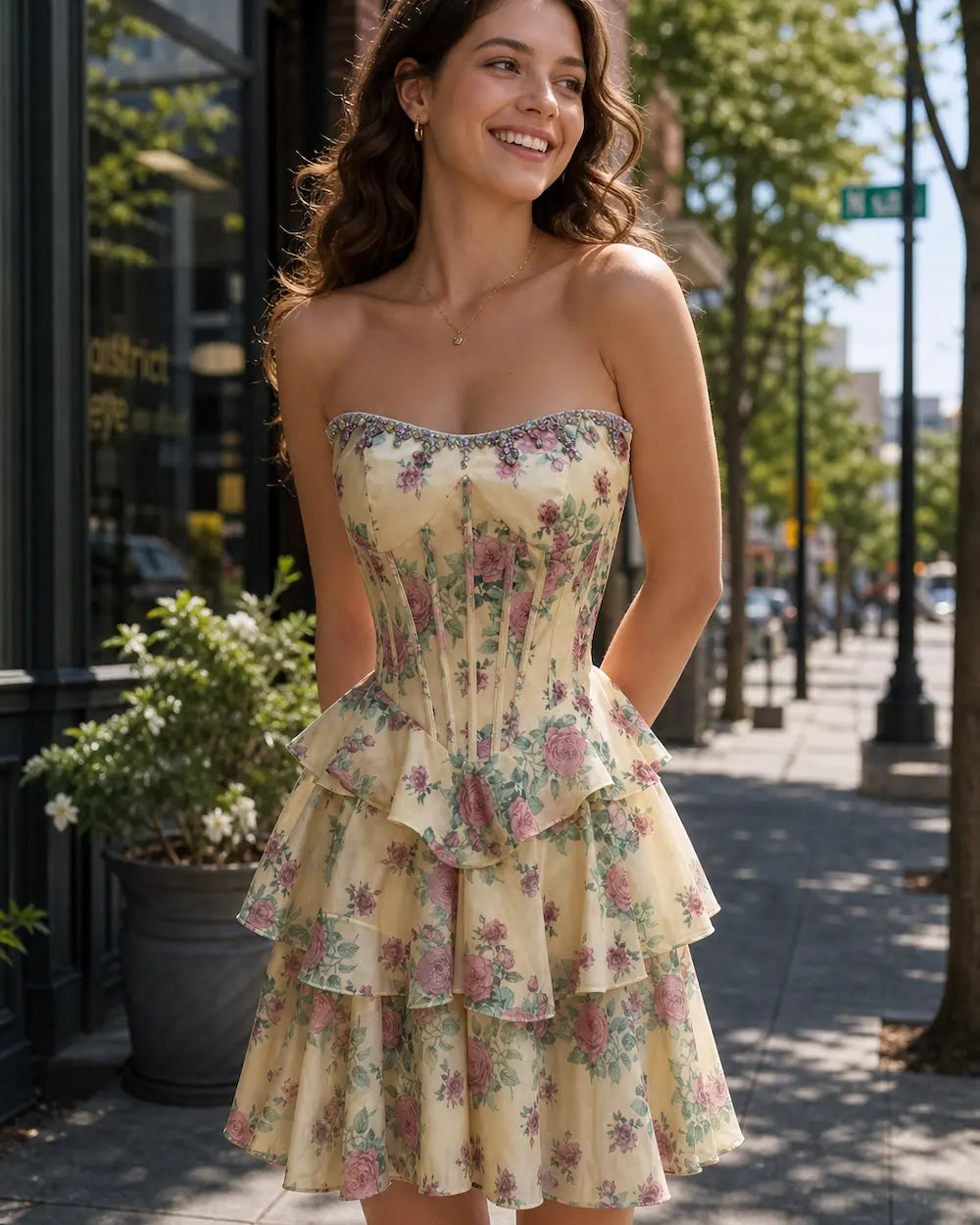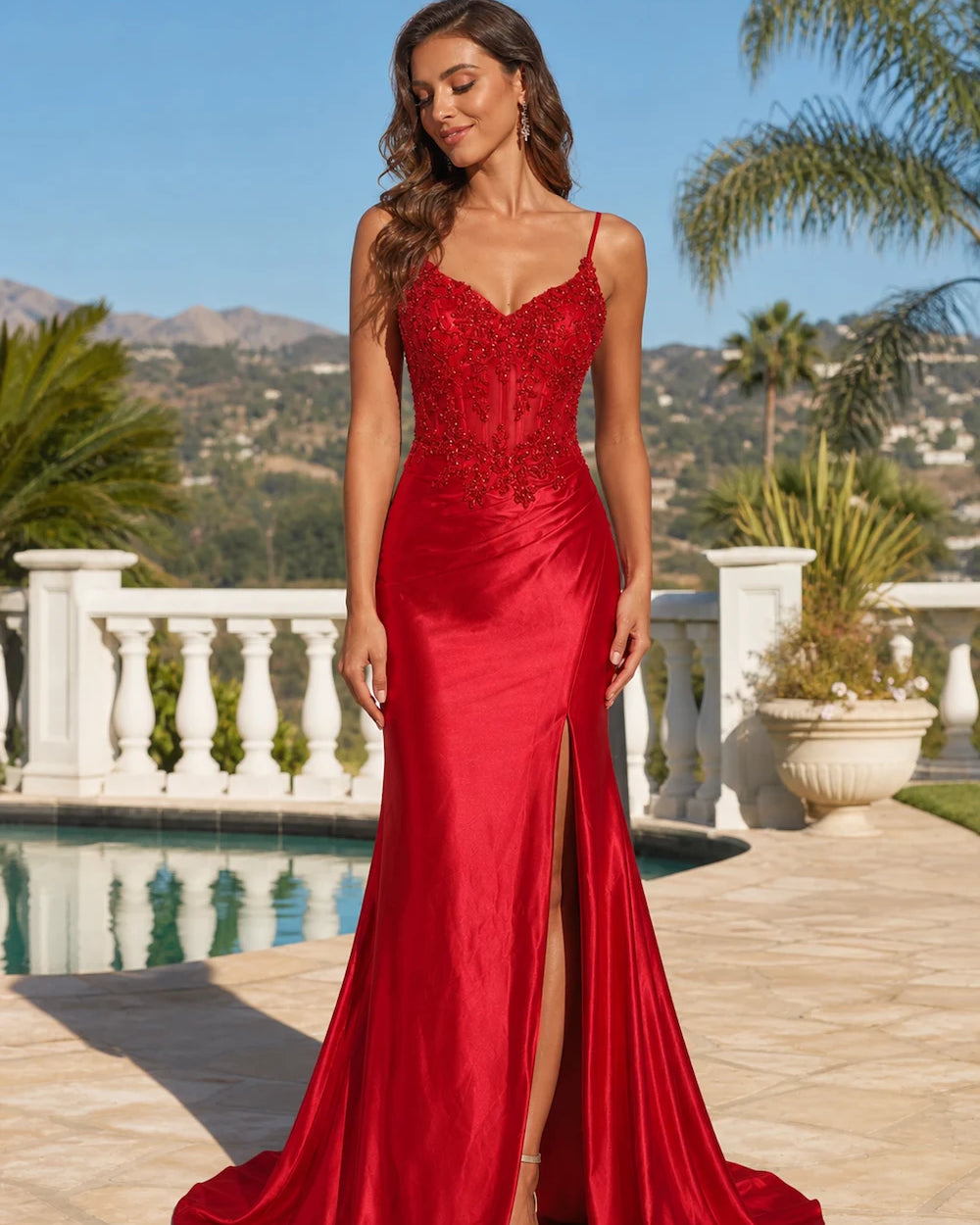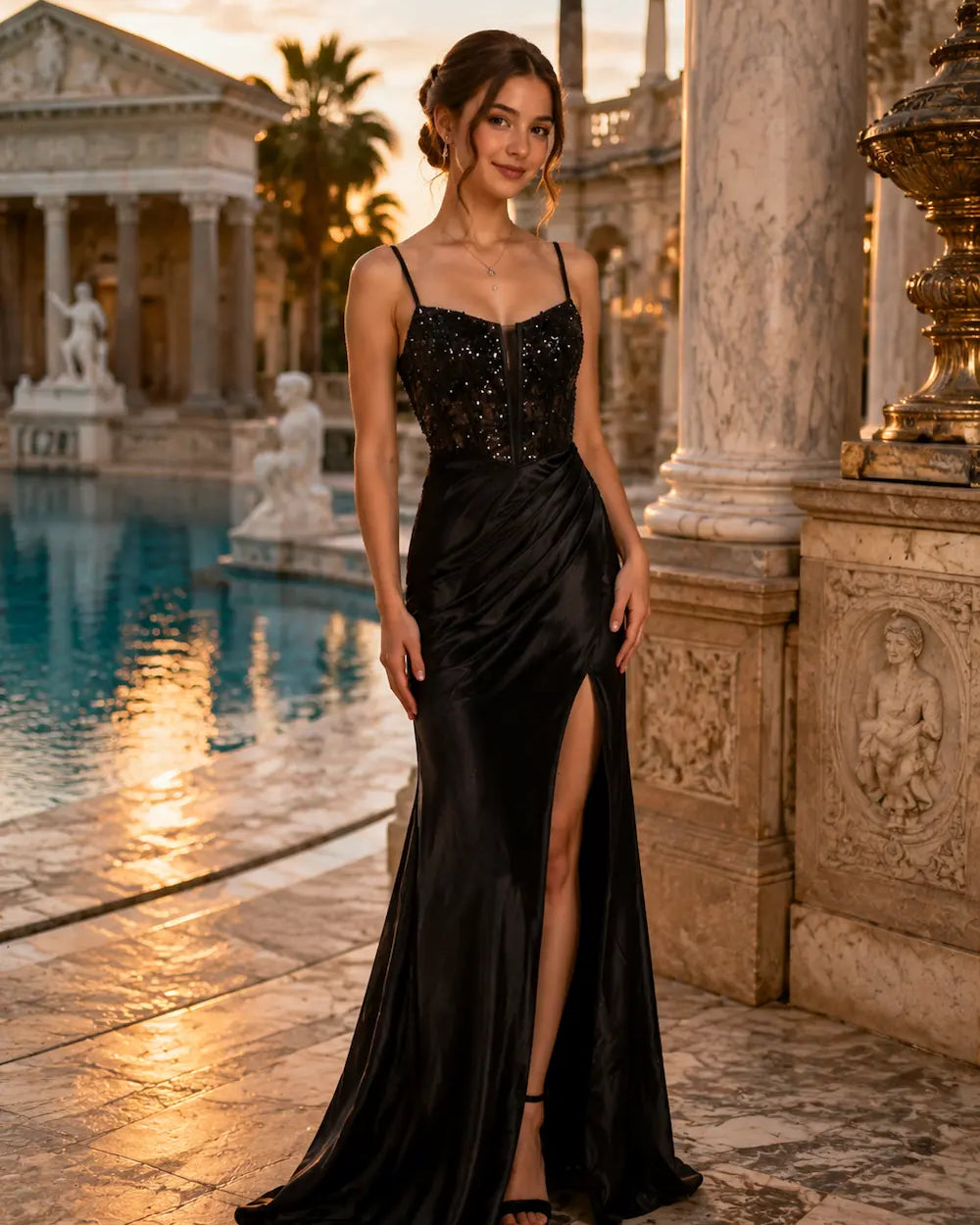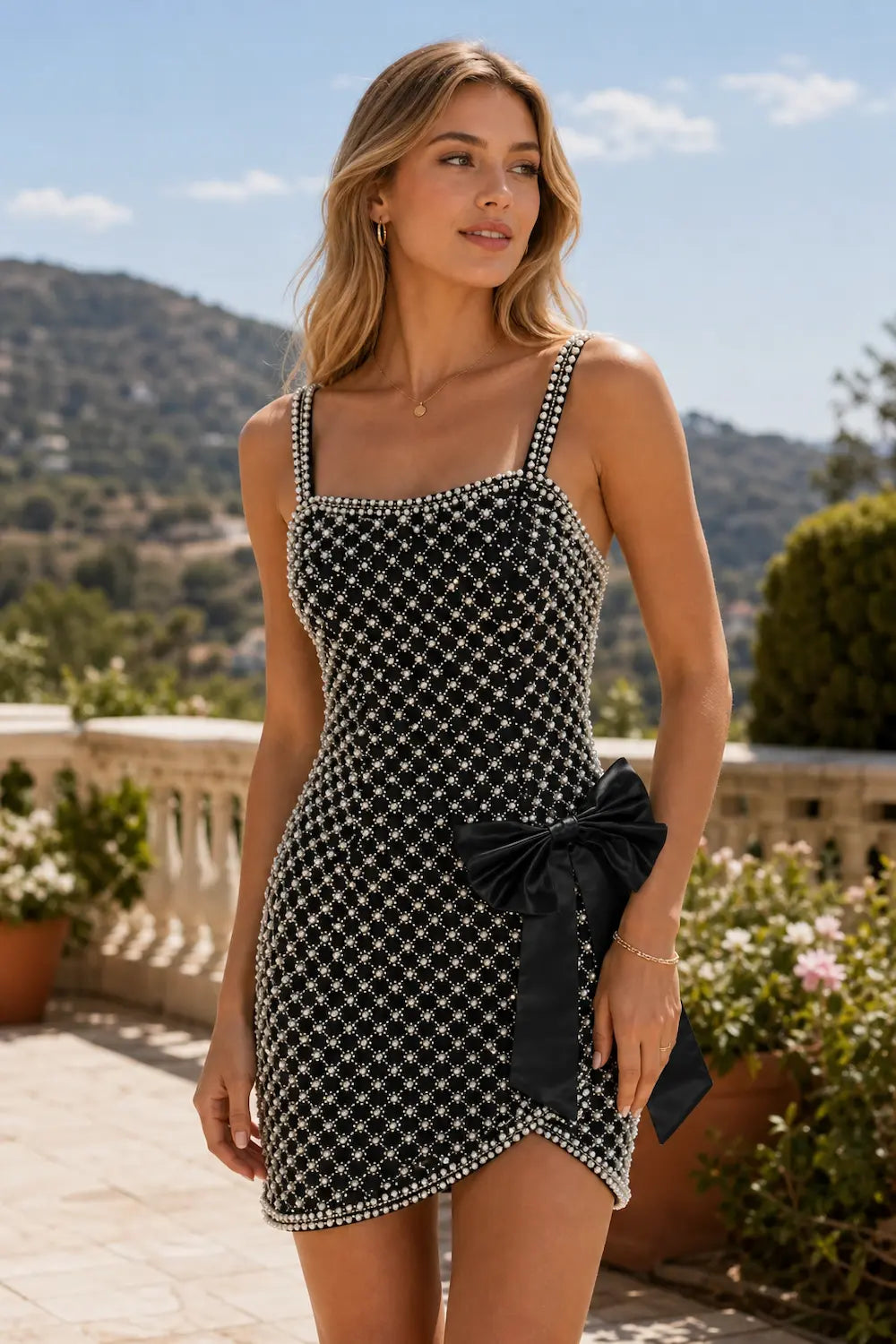


Choosing an evening dress becomes much easier when you understand its silhouette. The dress silhouette describes the overall outline of a dress, including how the bodice, waist, skirt, and hem work together. It affects the way a dress looks, moves, and feels, often before details such as color, embellishment, or neckline even come into focus.
Different evening dress silhouettes create very different visual effects. A mermaid dress follows the body before opening at the hem, while an A-line dress gradually widens from the waist. Sheath and column dresses create cleaner, more streamlined lines.
Whether you are shopping for a special celebration, formal event, wedding, cocktail party, homecoming, or prom, understanding the main silhouette types gives you a practical starting point. Instead of comparing every dress individually, you can first identify the overall shape you prefer and then narrow your choices by fabric, details, fit, and occasion.
Evening Dress Silhouettes at a Glance
Before looking at each style in detail, it helps to compare the main dress silhouette types side by side.
| Silhouette | Overall Shape | Key Characteristics |
|---|---|---|
| Mermaid | Fitted through the body and flared at the hem | Defined and dramatic |
| A-Line | Fitted at the top and gradually wider toward the hem | Balanced and versatile |
| Sheath | Narrow and relatively close to the body | Sleek and polished |
| Column | Long with a relatively straight profile | Clean and elegant |
These silhouettes can look completely different even when they use similar fabrics or colors. A satin mermaid dress, for example, creates a different impression from a satin column dress because the skirt follows a different line.
Details also matter. A slit can add movement to a fitted silhouette, while beading can make a simple column dress feel more elaborate. The silhouette gives you the foundation; the design details determine how that foundation looks.
Mermaid — Sleek and Body-Hugging
The mermaid silhouette creates one of the most recognizable dress profiles. It follows the body through the bodice and hips before flaring outward toward the lower skirt or hem.
That contrast between the fitted upper section and wider hem gives mermaid dresses a dramatic appearance. The flare can start at different points, so not every mermaid dress creates the same effect. A subtle flare produces a more streamlined look, while a stronger flare creates greater contrast.

Fabric plays an important role as well. Smooth satin can emphasize the clean lines of the silhouette, while lace, sequins, or all-over beading can add texture and visual impact.
Design details can also change the overall impression. A high slit introduces movement into the lower part of the dress, while a train can give the silhouette a more formal finish. A simple neckline can keep the focus on the shape itself, while an embellished bodice can create a stronger statement.
When shopping for a mermaid evening dress, look carefully at where the skirt begins to flare and how closely the dress follows the body. These details tell you more about the actual silhouette than the word “mermaid” alone.
At blissfulprom, our mermaid evening dress collection includes different approaches to this distinctive silhouette, allowing you to compare fitted lines with different fabrics and design details.
A-Line — Balanced and Versatile
The A-line silhouette gets its name from its characteristic shape: the dress remains relatively fitted through the bodice and gradually widens from the waist toward the hem.
This gradual transition creates a softer outline than a mermaid silhouette. It also gives designers plenty of room to experiment with skirt length, fabric, neckline, sleeves, and embellishment without changing the fundamental silhouette.

A-line evening dresses can look minimal or elaborate depending on their construction. A lightweight fabric can create fluid movement, while satin or structured materials can give the skirt a more defined appearance. Embroidery, sequins, lace, or beading can further change the visual character of the dress.
The upper part of an A-line dress also affects its overall style. A strapless bodice can create a clean, open look. A V-neck can add a vertical element, while an off-the-shoulder neckline can create a softer appearance.
The silhouette itself remains consistent even as these details change. That makes A-line a useful category when you know you want a gradually widening skirt but still want flexibility in the rest of the design.
You can explore our A-line evening dresses to compare different combinations of fabrics, lengths, necklines, and decorative details within the same basic silhouette.
Sheath & Column — Streamlined Elegance
Sheath and column silhouettes share a streamlined quality, but they are not identical.
A sheath silhouette generally follows a narrow line from the bodice toward the hem. It can closely follow the body's natural outline without creating the pronounced flare that defines a mermaid dress.

A column silhouette emphasizes a long, vertical profile. The dress typically maintains a relatively straight line from the upper body toward the hem, creating a clean and elongated appearance.

The distinction becomes easier to see when you compare the skirt structure. A sheath dress may follow the body's contours more closely, while a column dress often creates a straighter overall line.
Fabric can strongly influence both styles. Satin highlights smooth, uninterrupted lines. Stretch fabrics can create a closer fit, while lace or embellishment adds texture without necessarily changing the underlying silhouette.
A slit can also make a difference. On a narrow dress, a slit breaks up the continuous line and adds movement. Draping or ruching can introduce softness, while a minimalist design keeps attention on the silhouette itself.
If you prefer evening dresses with a polished, less voluminous appearance, comparing sheath and column designs can help you identify how much structure and movement you want.
Choose Your Evening Dress Silhouette
Once you understand the main evening dress silhouette types, choosing between them becomes a matter of preference, fit, and the overall impression you want to create.
Consider How Fitted You Want the Dress to Feel
Start with the relationship between the dress and your body.
A mermaid silhouette creates a more fitted profile through the upper and middle sections before opening at the hem. Sheath styles maintain a narrow line, while column dresses emphasize a straighter vertical profile. A-line dresses provide a more gradual transition from the bodice to the skirt.
Your measurements matter when you move from choosing a silhouette to selecting a specific size. Always compare your bust, waist, and hip measurements with the garment's size chart rather than relying only on your usual size.
Think About Movement
Consider how you want the skirt to move while you walk, sit, dance, or move through an event.
A-line dresses naturally provide more room through the skirt as it widens toward the hem. Mermaid dresses create a more defined transition and may feel more structured through the lower body. Sheath and column dresses maintain a narrower profile.
A slit can add movement to a more fitted design without changing its basic silhouette.
Decide How Much Drama You Want
The silhouette itself contributes significantly to the visual impact of an evening dress.
Mermaid creates a stronger contrast between the fitted body and flared hem. A-line offers a more gradual transition. Sheath and column styles create a quieter, streamlined effect.
Then consider the details. Sequins, crystals, lace, metallic fabrics, dramatic sleeves, and statement necklines can make a relatively simple silhouette feel much more expressive.
Match the Silhouette With the Event
The silhouette should also work with the setting and dress code.
For a formal gala, a floor-length mermaid or sleek column dress can create a polished formal appearance. An A-line dress can adapt easily to formal celebrations, wedding events, and other special occasions. Sheath styles can work particularly well when you prefer a refined and understated profile.
For cocktail parties or less formal celebrations, consider how dress length and fabric change the overall effect of the same silhouette.
Prom and homecoming also allow different interpretations. A dramatic mermaid dress can create a statement look, while an A-line design can offer a lighter sense of movement. The occasion matters, but it should work together with the silhouette rather than determine it by itself.
The most useful approach is to decide what overall line you prefer first, then evaluate the details that make a particular dress suitable for your event.
Frequently Asked Questions
What is a dress silhouette?
A dress silhouette describes the overall outline of a dress. It looks at how the bodice, waist, skirt, and hem work together rather than focusing on one individual design detail.
What are the main dress silhouette types?
Common dress silhouette types include mermaid, A-line, sheath, and column. Each creates a different overall profile, and designers can change the final appearance through fabric, neckline, sleeves, embellishment, length, and other details.
What is the difference between an A-line and a ball gown?
An A-line dress gradually widens from the waist toward the hem. A traditional ball gown has a much fuller skirt with substantially more volume. Both create a widening shape, but the amount of skirt volume makes their silhouettes noticeably different.
Is an evening dress the same as a formal dress?
Not exactly. “Evening dress” describes a category of clothing commonly associated with evening or special-occasion dressing. “Formal dress” describes a higher level of dress or a specific dress code. An evening dress can meet a formal dress code, but the terms do not always mean the same thing.
Is a mermaid dress considered an evening dress?
Yes. Mermaid describes the silhouette, while evening dress describes the type of occasion or clothing category. A mermaid dress can work as an evening dress when its length, fabric, construction, and styling suit the event.
Can one dress silhouette work for different occasions?
Yes. A silhouette does not belong exclusively to one occasion. The same A-line, mermaid, sheath, or column silhouette can look appropriate for different events when you adjust the length, fabric, neckline, embellishment, and overall level of formality.
How do I choose the right evening dress silhouette?
Start with the overall line you prefer. Decide whether you want a fitted and dramatic profile, a gradually widening skirt, or a long and streamlined shape. Then consider your preferred movement, level of coverage, fit, fabric, and the event's dress code.
Understanding the language of dress silhouettes makes the shopping process more straightforward. Once you know the difference between mermaid, A-line, sheath, and column styles, you can focus on the details that matter most to you instead of comparing every dress from the beginning.
At blissfulprom, we see the silhouette as the starting point for building a complete evening look. From there, fabric, neckline, sleeves, embellishment, and fit allow you to make the style your own.