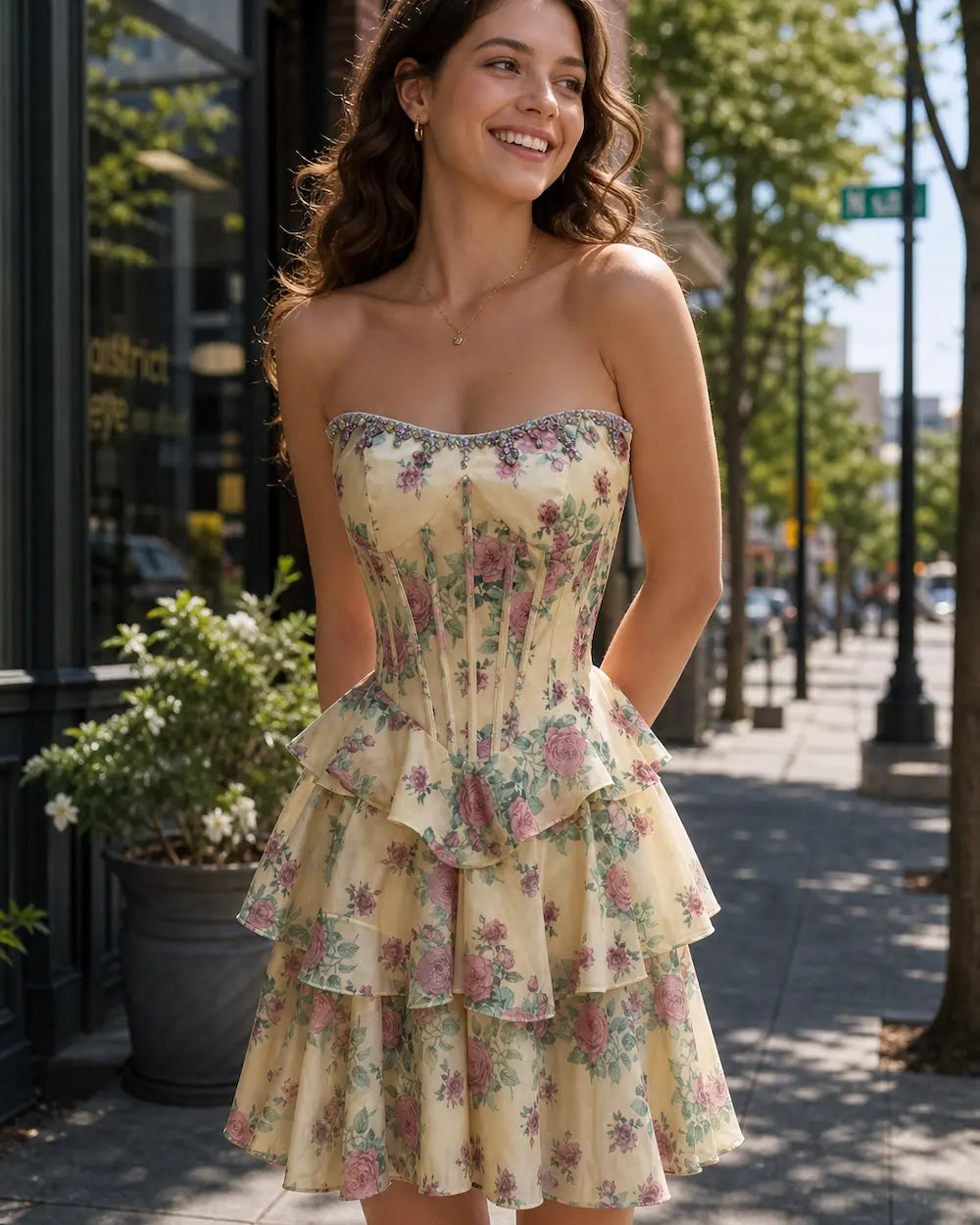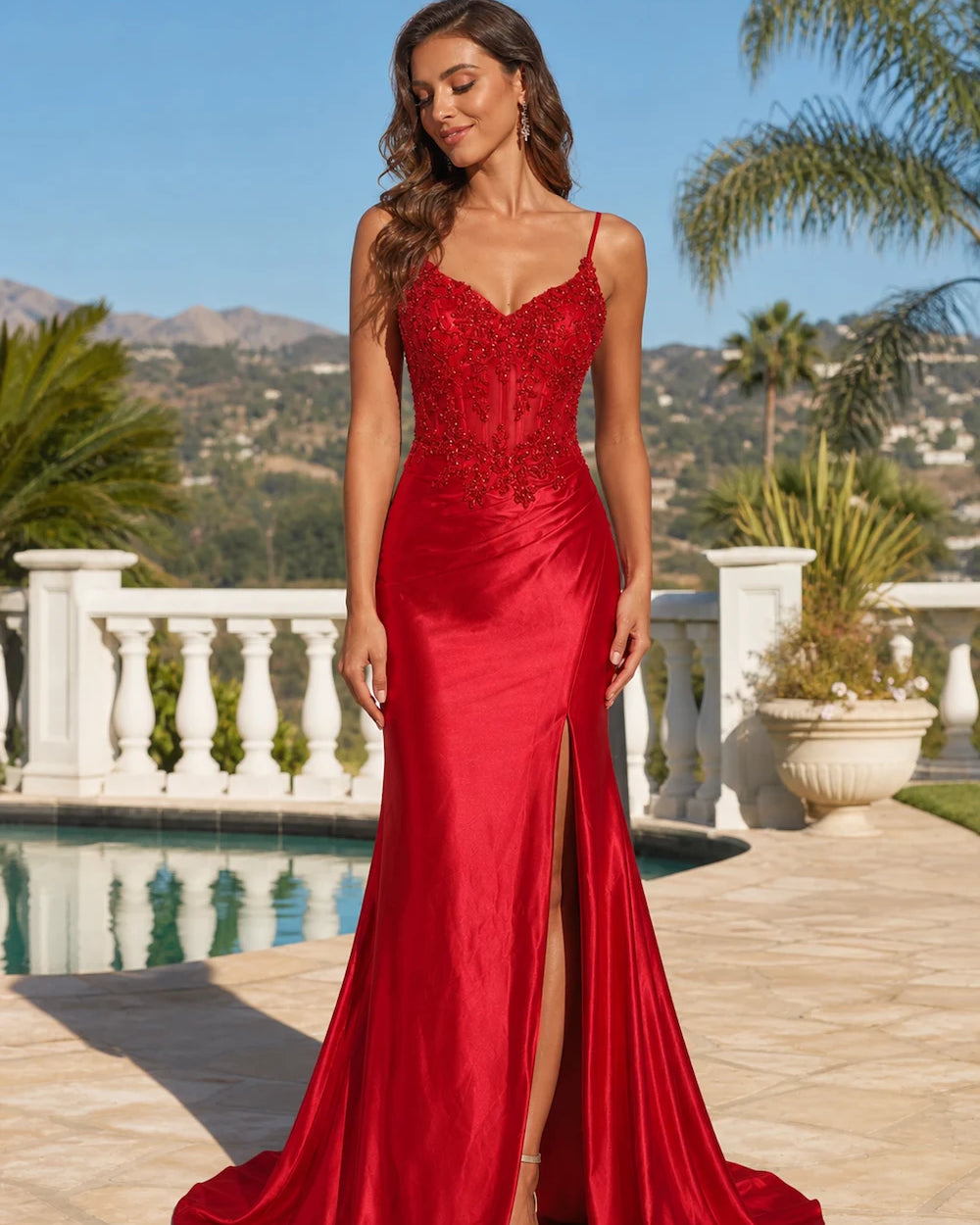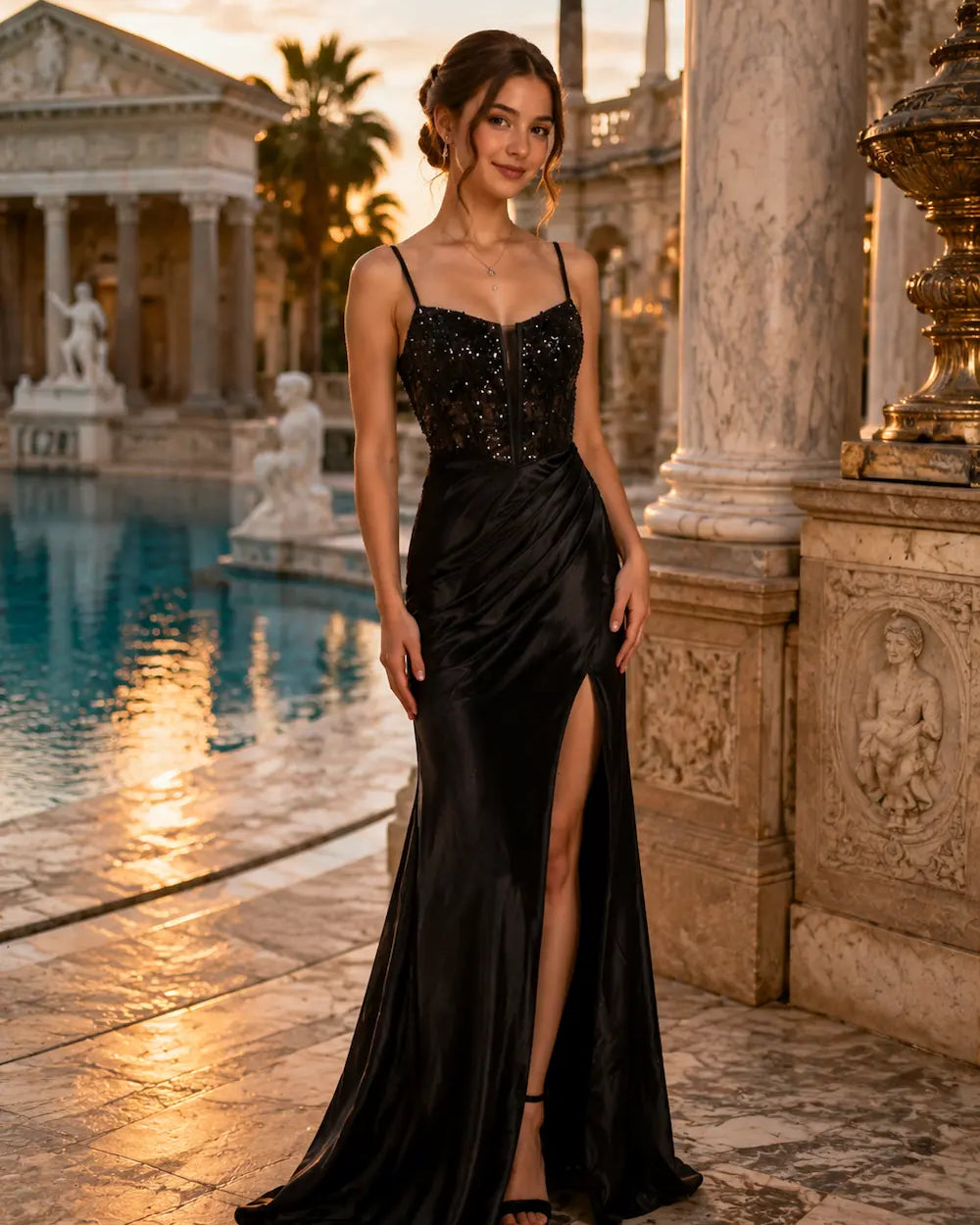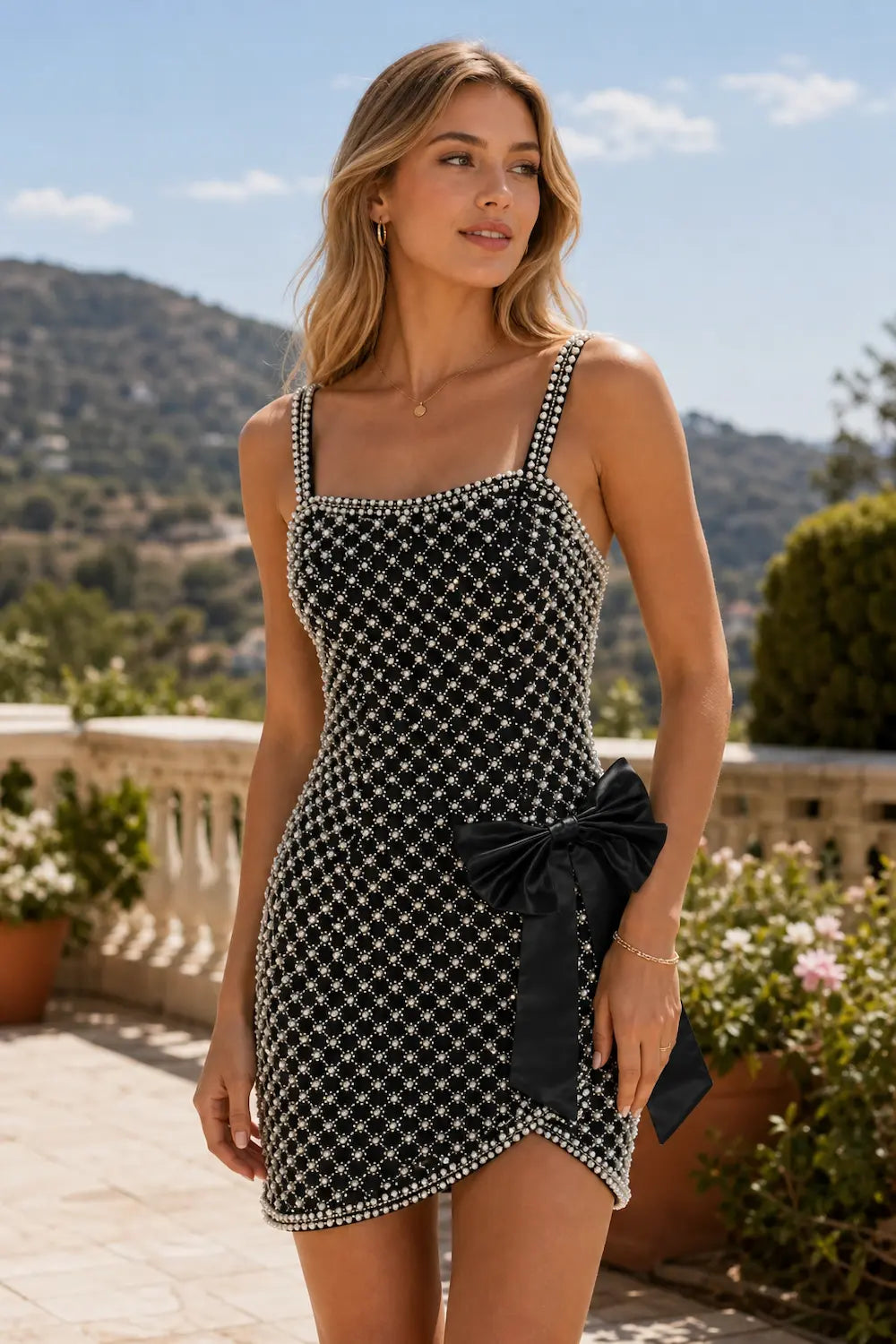


Choosing bridesmaid dresses involves more than finding a beautiful color or silhouette. The dresses need to work with the wedding style, venue, season, dress code, and the preferences of the people wearing them. Fabric, neckline, length, coverage, and fit can all change how the final bridal party look comes together.
The easiest approach is to make the decisions in order. Start with the wedding itself, then narrow your options by silhouette, fabric, color, and details. Once the style is clear, measurements, ordering time, and alterations become much easier to manage.
This guide breaks down those decisions so you can find bridesmaid dresses that look coordinated while still giving each bridesmaid a comfortable and flattering option.
1. Start With Your Wedding Style and Dress Code
Before looking at individual dresses, consider the setting and formality of the wedding.
For a garden or outdoor wedding, lightweight fabrics such as chiffon and tulle work well with the relaxed movement of the setting. A-line silhouettes, soft colors, and delicate sleeves can complement flowers and natural surroundings.
For a formal evening wedding, satin and more structured silhouettes can create a polished appearance. Sleek lines, deeper colors, and carefully placed slit details can also work well with evening venues and formal dress codes.
For a romantic or classic wedding, consider soft pink, sage green, dusty blue, chiffon, tulle, or lace details. These choices can create a cohesive look without making the dresses feel overly uniform.
The dress code should also guide the decision. Floor-length gowns generally suit formal and evening weddings, while midi or tea-length styles can work beautifully for more relaxed celebrations.
 |
|
2. Choose the Silhouette and Fabric That Fit the Look
Silhouette and fabric determine much of a dress's overall character. Start by deciding whether you want a flowing, structured, fitted, or romantic appearance.
A-Line Bridesmaid Dresses
An a line bridesmaid dress offers a flexible option for many wedding styles. The fitted upper portion transitions into a gradually wider skirt, creating an easy-to-style silhouette that works across different fabrics.
A-line dresses are particularly useful when bridesmaids have different style preferences. You can keep the color and length consistent while allowing small changes in neckline or sleeve design.
For a softer look, consider chiffon or tulle. Satin creates a cleaner and more polished finish.

Satin Bridesmaid Dresses
Satin bridesmaid dresses have a smooth, luminous finish that works especially well for formal and evening weddings. Satin can make a simple silhouette feel more refined and pairs naturally with fitted shapes, one-shoulder necklines, and slit details.
Blissfulprom's satin collection includes both sleek and more detailed designs, making it possible to keep a polished aesthetic while choosing different silhouettes for different bridesmaids.

Chiffon and Tulle Bridesmaid Dresses
Chiffon bridesmaid dresses create soft movement and work particularly well for outdoor, spring, and summer weddings. Tulle adds lightness and volume while maintaining a romantic appearance.
If you want the bridal party to feel coordinated without using identical dresses, keeping the fabric consistent while changing the neckline or silhouette can create a balanced result.

3. Choose a Bridesmaid Dress Color That Works With Your Wedding Palette
Color is one of the most noticeable elements in a bridal party, so consider it alongside the flowers, venue, season, and other major wedding details.
Sage Green Bridesmaid Dresses
Sage green bridesmaid dresses work naturally with garden, outdoor, and romantic wedding palettes. The muted shade pairs easily with ivory, greenery, blush, and neutral tones.
You can also create variety within one color family. Satin, chiffon, and tulle can make the same general shade look completely different.
 |
 |
 |
| TFB 8059 | TFB 8056 | TFB 8024 |
Pink and Blush Bridesmaid Dresses
Pink bridesmaid dresses offer plenty of flexibility, from delicate blush to deeper dusty rose shades. Blush works particularly well with chiffon and tulle when the wedding aesthetic leans romantic.
When choosing pink, compare the dress against the actual floral palette rather than relying only on the color name. Fabric and lighting can affect how the shade appears.
 |
 |
 |
| TFB 8032 | TFB 8060 | TFB 8057 |
Dusty Blue Bridesmaid Dresses
Dusty blue bridesmaid dresses provide a softer alternative to deeper blue tones. They can suit both romantic daytime celebrations and more polished evening weddings.
If you want variety without losing cohesion, keep the color family consistent while varying one design element, such as the neckline, sleeve, or silhouette.
 |
|
 |
| MIA | TFB 8057 | ARIETTA |
4. Decide How Much Coverage and Detail You Want
Once color and silhouette are narrowed down, consider the details that affect comfort and overall appearance.
Necklines and Sleeves
V-necklines create a clean, elongated appearance, while sweetheart necklines offer a more traditional romantic feel. Off-shoulder designs can add softness, while one-shoulder styles create a more contemporary look.
Sleeves also affect the balance of the dress. Flutter sleeves add movement, while more substantial sleeves provide additional coverage.
If bridesmaids have different comfort preferences, keeping the color consistent while allowing neckline or sleeve variations can be a practical solution.
Slits and Other Details
A dress without a slit tends to create a more traditional appearance. A subtle thigh slit introduces movement, while a higher slit creates a more dramatic effect.
Ruched details can add texture and visual interest without relying on heavy embellishment. The right amount of detail depends on the wedding's overall formality.
When to Consider Modest Bridesmaid Dresses
Modest bridesmaid dresses can provide additional coverage through higher necklines, sleeves, full-length skirts, and flowing silhouettes.
Modest does not mean plain. Tulle layers, lace details, soft sleeves, and carefully shaped necklines can still create a sophisticated bridal party look.
Blissfulprom offers several styles that combine greater coverage with contemporary silhouettes, making it easier to accommodate different comfort levels within the bridal party.

5. Make the Dresses Work for Different Bridesmaids
Every bridesmaid does not necessarily need to wear the exact same dress.
One practical approach is to keep the color consistent while varying the silhouette. Another is to keep the same fabric and length while allowing different necklines or sleeve designs.
For example, a bridal party can wear the same sage green color while choosing between different silhouettes. Alternatively, everyone can wear full-length chiffon while selecting different necklines according to personal preference.
This approach can also accommodate differences in height, proportions, and preferred coverage without losing the overall visual connection.
The key is to decide which element should remain consistent. If color is central to the wedding palette, let the silhouettes vary. If the fabric creates the look you want, keep the fabric consistent and allow more flexibility elsewhere.

6. What to Check Before Buying Bridesmaid Dresses
Once you have narrowed down the style, check the practical details before placing an order.
Check Measurements, Not Just Your Usual Size
Always measure the bust, waist, hips, and height, then compare those measurements with the specific dress size chart.
Do not rely solely on your usual street size because formalwear sizing can vary between styles and brands. If measurements fall between sizes, choosing the larger option can give a tailor more room to make adjustments.
Floor-length dresses may also need minor hemming or bust adjustments. Plan alterations around the shoes and undergarments you intend to wear.
Check Fabric and Construction
Look beyond the overall appearance of the dress. Check details such as lining, built-in cups, boning, stretch, straps, closures, and slit placement.
These details can affect both comfort and fit, especially when bridesmaids will wear the dresses for several hours.
Choosing bridesmaid dresses becomes much easier when the process follows a clear order. Start with the wedding style and dress code, then narrow the options through silhouette, fabric, color, neckline, coverage, and fit.
The goal does not have to be identical dresses. A consistent color, fabric, or length can create a cohesive bridal party while giving each bridesmaid enough flexibility to feel comfortable.
With the right planning, the final dresses can complement the wedding beautifully while remaining practical enough to wear throughout the celebration—and potentially long after the wedding day.
Bridesmaid Dress FAQs
When should bridesmaids order their dresses?
It is best to order bridesmaid dresses 4 to 6 months before the wedding date. This gives enough time for production, shipping, fitting, and alterations. Ideally, alterations should finish around 2 to 3 weeks before the wedding, once shoes and undergarments have been finalized.
Do all bridesmaids need to wear the exact same dress?
No. Matching dresses create a classic look, but coordinated mismatched styles can work just as well. Keep the color or fabric consistent while allowing bridesmaids to choose different necklines or silhouettes, such as A-line, satin, or chiffon styles.
How do I choose the correct bridesmaid dress size, and will I need alterations?
Measure the bust, waist, hips, and height, then compare the measurements with the specific dress size chart. If you fall between sizes, choosing the larger size generally gives a tailor more room to make adjustments. Floor-length gowns often need minor alterations for the best fit.
Are bridesmaid dresses formal, and how long should they be?
Most traditional bridesmaid dresses are formal or semi-formal. Floor-length gowns generally suit formal, black-tie, and evening weddings, while midi and tea-length dresses can work well for casual, garden, or beach celebrations. The venue and dress code should guide the final choice.
How do I choose the right bridesmaid dress color for the wedding theme?
Consider the season, venue, flowers, and overall wedding palette. Sage green, blush pink, and dusty blue can complement garden and spring weddings, while richer colors such as emerald or burgundy can suit autumn and evening celebrations. You can also combine complementary shades within the same color family.
What are the best fabrics for bridesmaid dresses across different seasons?
Chiffon and tulle offer lightweight, flowing options for warm-weather and outdoor ceremonies. Satin provides a smooth, luminous finish that works particularly well for formal evening celebrations. For cooler seasons, richer fabrics such as velvet can add texture and warmth.
What should bridesmaids wear under their dresses?
The right undergarments depend on the neckline, back, and fabric. Seamless underwear can reduce visible lines under fitted dresses. Strapless, low-back, convertible, or adhesive bras can work better with off-shoulder, halter, or backless designs. Always test the chosen undergarments during the fitting.
Can bridesmaids rewear their dresses after the wedding day?
Yes. Versatile designs can work for future occasions when styled differently. A simple satin midi, soft chiffon dress, or dress in a neutral or jewel tone can be paired with a blazer, denim jacket, flats, or different accessories for dinners, celebrations, and other formal events.