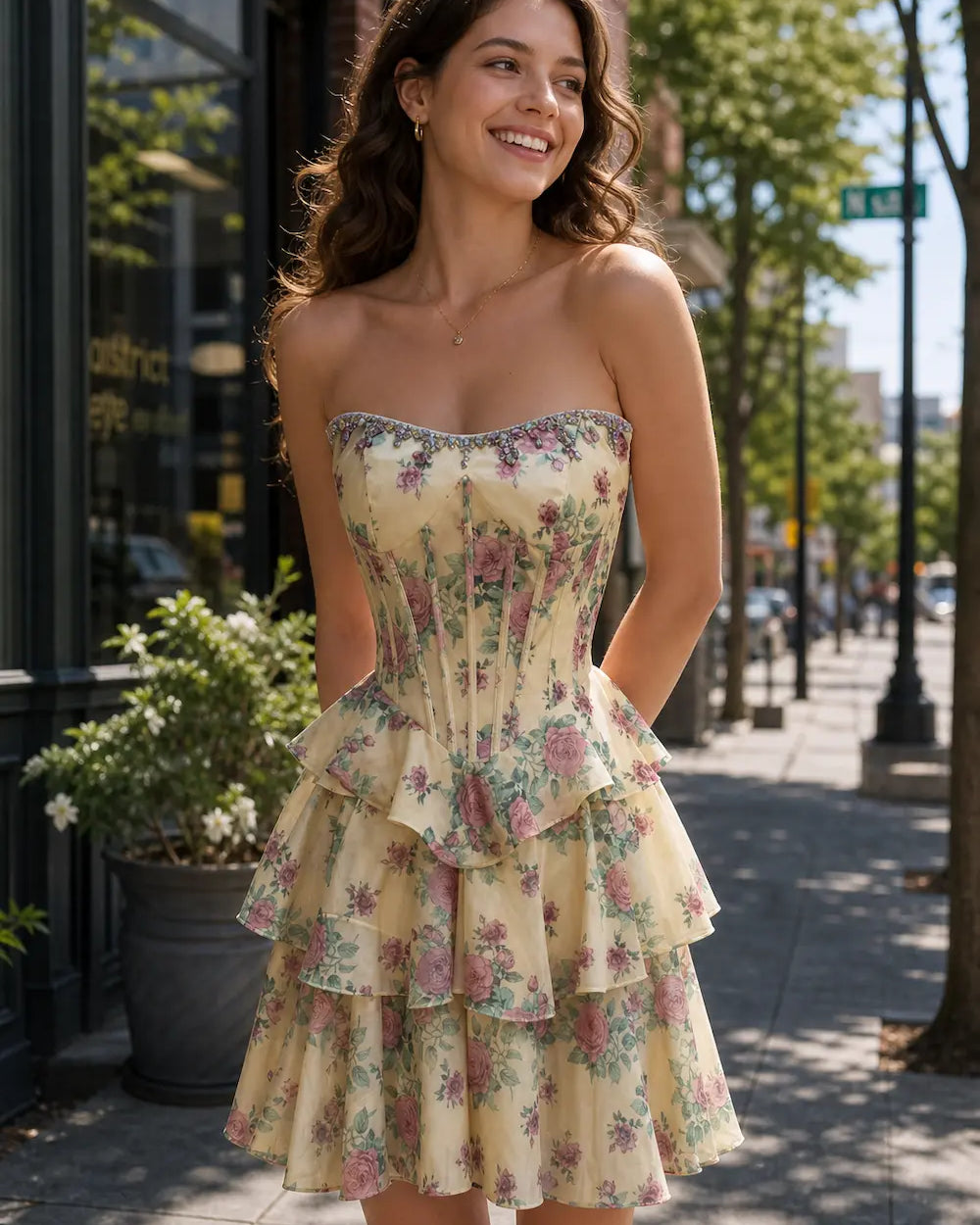
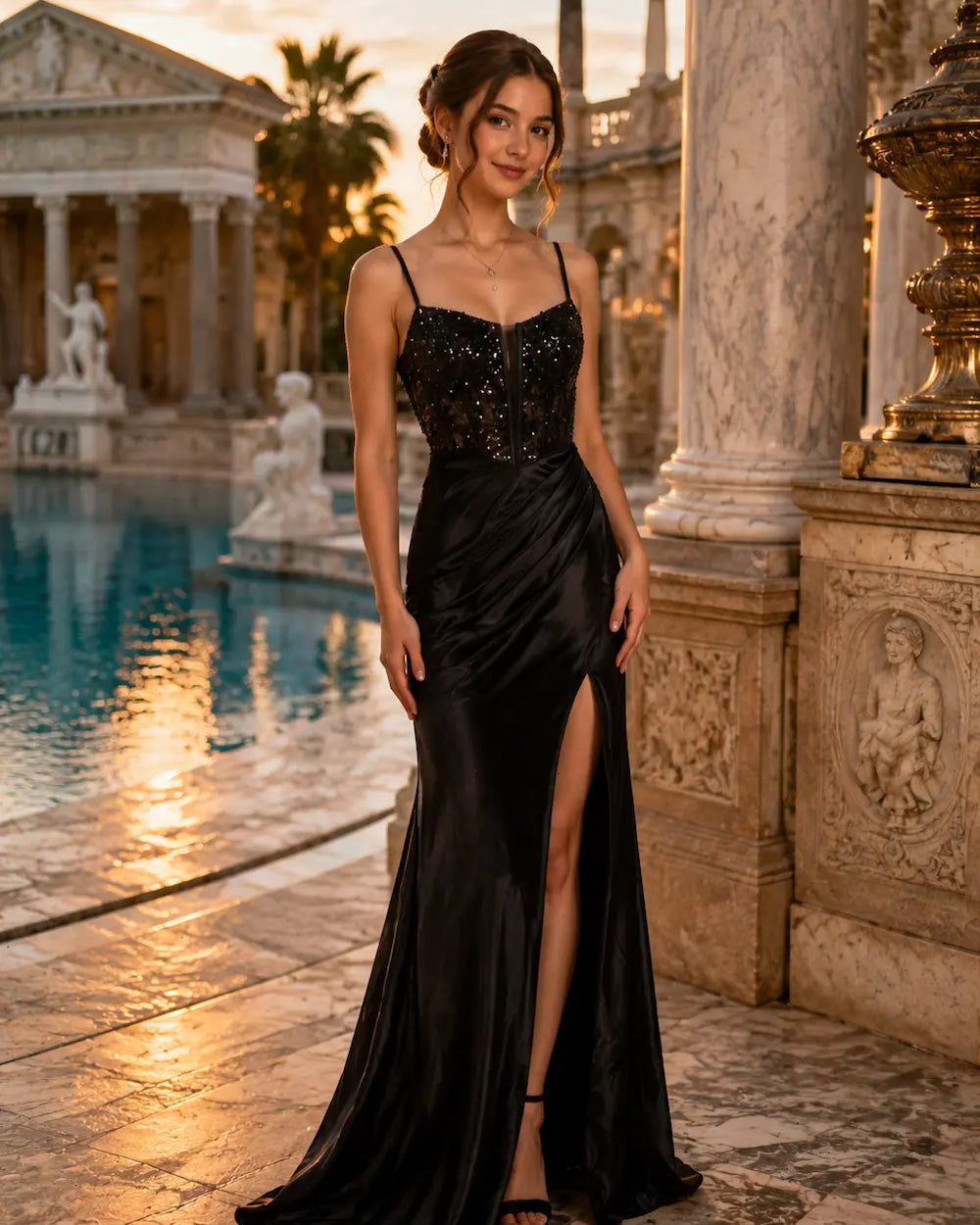
Choosing an evening dress for fall or winter involves more than finding the right color or silhouette. Fabric influences how a gown reflects light, moves as you walk, feels throughout the evening, and looks in photographs.
Velvet, satin, and sequins are three popular choices for fall and winter evening dresses. Velvet adds depth and texture, satin offers a smooth sheen, and sequins create sparkle under evening lights. The best option depends on your venue, lighting, personal style, and comfort preferences.
In this guide, we’ll compare these three fabrics and explain how to choose the right one for your next formal occasion.
Fall and Winter Evening Dress Fabric Comparison
|
Fabric |
Texture and Light Effect |
Weight and Feel |
Best Settings |
|
Velvet |
Rich color depth and soft variations in light and shade |
Often medium to heavy, depending on construction |
Formal dinners, ballrooms, evening receptions |
|
Satin |
Smooth surface with a reflective sheen |
Varies from lightweight to heavy |
Hotel banquets, formal dinners, well-lit venues |
|
Sequins |
Sparkling highlights that change with movement |
Depends on the base fabric and embellishment |
Galas, evening parties, dance floors |
Each fabric creates a different effect. Velvet emphasizes texture, satin highlights smoothness and sheen, and sequins bring sparkle. Understanding these differences can help you choose a gown that suits your event.
Velvet Adds Depth and Texture to Fall and Winter Evening Dresses
Velvet stands out for its soft pile, which catches and scatters light to create subtle variations in shade. This texture gives the fabric visual depth and makes rich colors particularly appealing for fall and winter occasions.
How Velvet Looks Under Different Lighting
In a warmly lit ballroom or an intimate dinner setting, velvet creates a soft, refined appearance rather than a glossy shine. Black, red, burgundy, and navy can each offer a distinctive look, depending on the design and lighting.
Velvet’s appearance varies with its pile, composition, and color. If photography matters to you, consider how the fabric looks under both natural and indoor lighting.

Is Velvet a Good Fabric for Winter Formal Dresses?
Many velvet fabrics feel substantial, making them a popular choice for cooler seasons. However, warmth also depends on the lining, sleeves, and overall coverage. A sleeveless or open-back velvet gown may still need an extra layer for outdoor events.
At blissfulprom, Choose velvet if you appreciate rich color, tactile texture, and a softer finish under evening lights.
Satin Creates a Smooth, Light-Reflecting Finish
Satin creates a polished appearance through its smooth, lustrous surface. It describes a weave rather than a specific fiber, so the weight, sheen, and drape can vary between fabrics.
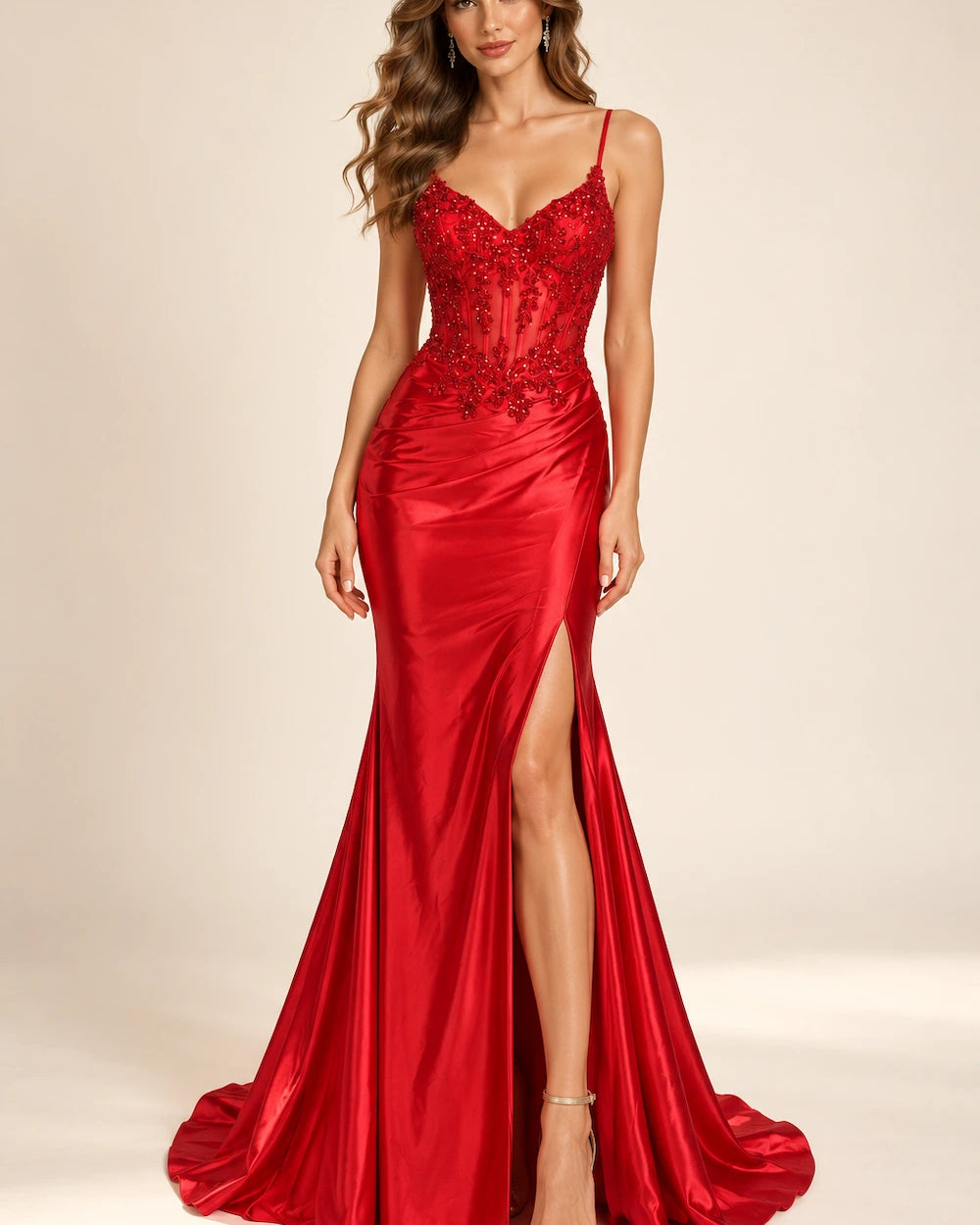
For formal evening gowns, satin can highlight the lines of a dress while adding a reflective finish.
How Satin Performs Under Evening Lights
Satin reflects light across its surface, creating highlights that shift as you move. In a bright ballroom, this can emphasize folds and draping; under warmer, softer lighting, the sheen may appear more subtle.
Different satin fabrics produce different effects. Some have a pronounced shine, while others offer a softer finish. Strong lighting may also reveal creases, so consider the fabric’s texture and construction if you expect frequent photography.

Choosing Satin for Formal Evening Gowns
Satin suits a range of silhouettes, from structured bodices to flowing skirts. A simple satin gown can work for a formal dinner, while a more elaborate design may suit a gala or black-tie event.
When comparing satin vs velvet evening gowns, focus on the finish you prefer. Satin offers a smooth, reflective surface, while velvet creates depth through its pile. Neither is automatically more formal; the overall design and event dress code matter too.

Check the garment’s lining, stretch, and care instructions to ensure it meets your needs.
Sequins Bring Sparkle to Evening Celebrations
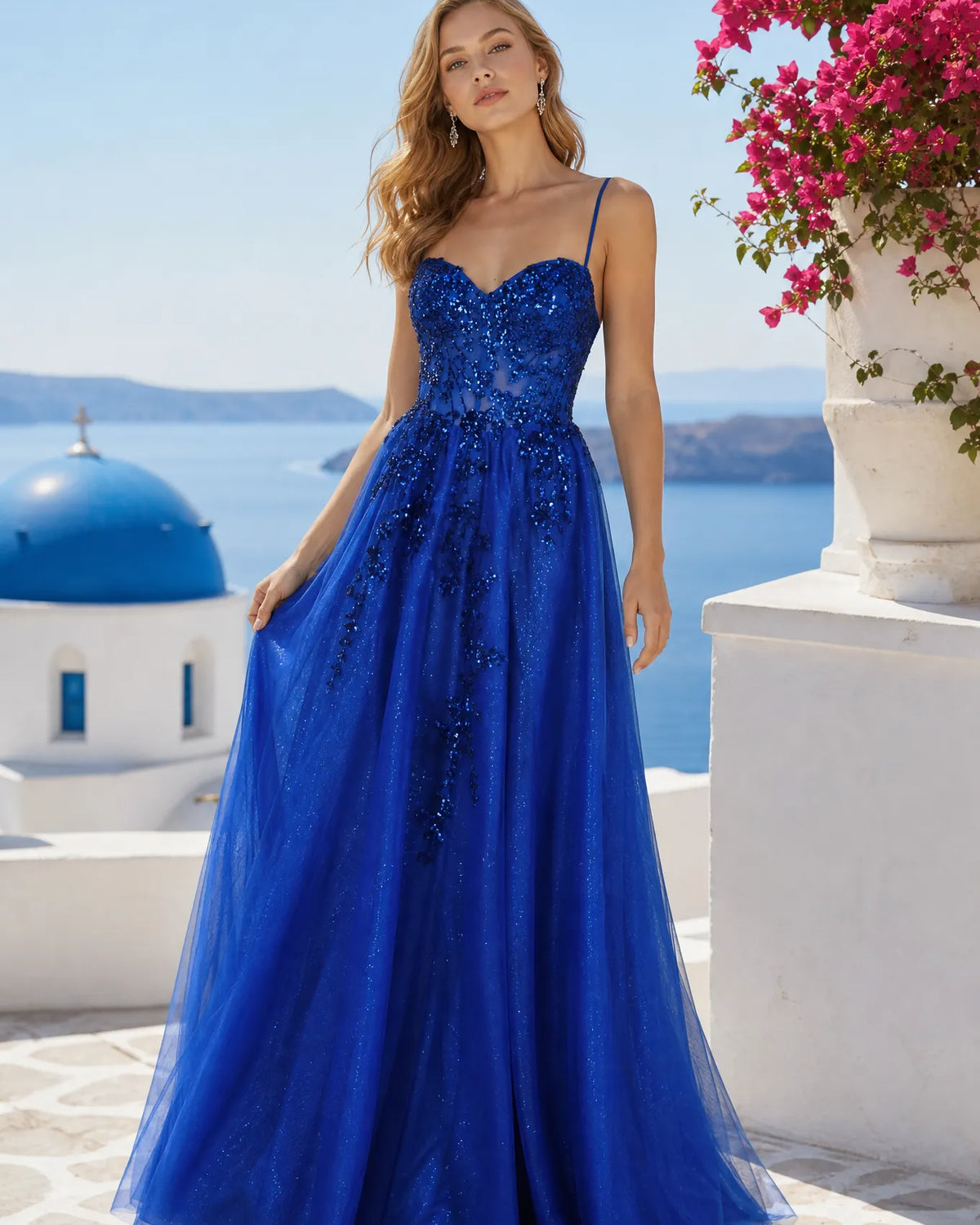
Sequins catch and reflect light, creating highlights that change as you move. This makes a sequin evening dress an appealing option for galas, parties, and celebrations where lighting adds to the atmosphere.
The overall effect depends on sequin size, coverage, color, and the fabric underneath.
How Sequin Dresses Look Under Spotlights
Sequins can stand out under spotlights, dance-floor lighting, and camera flash. In a dim room, they create contrast against the background; under brighter lights, their sparkle may become more pronounced.
An all-over sequin gown creates a noticeable statement, while selective embellishment offers a more understated effect. Consider the atmosphere of your event and how much shine you want.

Are Sequin Dresses Comfortable for Long Events?
Comfort depends on the base fabric, lining, embellishment, and fit. Heavily decorated gowns may feel weightier than lightly embellished designs, and some sequins may rub against the skin.
Before choosing a dress, consider how easily you can sit, walk, and dance. Check the care label too, as some sequin garments require professional cleaning or specialized handling.
Sequins are worth considering when you want a reflective finish that stands out as the lighting and your movement change throughout the evening.

Match Your Evening Dress Fabric to the Venue and Lighting
The same fabric can look different depending on its surroundings. Before choosing between velvet, satin, and sequins, consider the venue’s lighting and the atmosphere you want to create.
Dimly Lit Ballrooms and Candlelit Dinners
Velvet creates depth and a soft finish that suits intimate settings. Satin reflects available light across its smooth surface, while sequins add visible points of sparkle against a darker background.
Choose according to your preferred effect, from understated texture to a polished sheen or a more eye-catching finish.
Bright Ballrooms and Hotel Banquets
Satin can highlight a gown’s folds and structure under bright lighting. Velvet offers a more textured appearance, while sequins reflect stronger light and can create a dramatic effect in photographs.
Think about how much shine you want, particularly if the event includes professional photography or direct spotlights.
Dance Floors and Events with Moving Lights
Sequins create a dynamic effect as their reflections change with movement. Satin also responds to movement, with light shifting across the fabric. Velvet offers a subtler effect through variations in the direction of its pile.
Consider whether you prefer noticeable sparkle, smooth reflections, or rich texture.
Outdoor Fall and Winter Events
Outdoor events bring changing natural light, wind, and temperature into the decision. Velvet can suit the season, but an open-back or sleeveless design may need an extra layer. Satin offers a polished finish, while sequins can reflect natural light in distinctive ways.
Check the forecast and consider how much time you’ll spend outdoors. A coat or wrap may be just as important as your choice of fabric.
Consider Comfort, Fit and Fabric Care
Appearance matters, but your dress should also feel comfortable throughout the event. Keep these practical factors in mind when comparing winter evening dresses.
Warmh and coverage: Fabric weight matters, but lining, sleeves, and neckline also affect comfort in cold weather.
Drape and movement: Satin can flow or hold its shape depending on construction. Velvet emphasizes texture, while sequined fabrics vary in flexibility.
Fit and stretch: Not every velvet or satin fabric has stretch. Check the product details and size chart before ordering.
Care: Satin may show creases, velvet needs care to preserve its pile, and sequins may require specialized cleaning. Follow the garment’s care label.
Photography: Satin creates broad highlights, velvet offers tonal depth, and sequins produce points of sparkle. Consider your venue’s lighting when choosing.
Choose the Fabric That Fits Your Evening
The best fabric for a fall or winter evening dress depends on your event, personal style, and comfort needs. Velvet offers rich texture, satin creates a smooth sheen, and sequins bring sparkle and movement.
Consider the venue, lighting, dress construction, and expected temperature before making your choice. The right combination of fabric and silhouette can help you feel comfortable while creating the look you want.
At blissfulprom, we believe understanding these fabric differences makes it easier to find an evening dress that suits your occasion.
Frequently Asked Questions
What is the best fabric for a fall evening dress?
Velvet, satin, and sequins can all work well. Velvet offers texture and depth, satin creates a polished sheen, and sequins add sparkle. Consider the venue, lighting, and your preferred style.
What is the best fabric for a winter evening dress?
Velvet is a popular choice for winter styling, but warmth also depends on the lining, coverage, and construction. Satin and sequin dresses can work for winter events when paired with suitable layers for colder conditions.
What is the difference between velvet, satin, and sequin dresses?
Velvet has a pile surface that creates texture and tonal variation. Satin has a smooth, reflective finish. Sequins are embellishments that catch light and create sparkle. Each offers a different visual effect.
Is satin or velvet better for a ballroom?
Both can work well. Satin reflects light and highlights draping, while velvet creates a softer, more textured appearance. Choose based on the ballroom’s lighting and the look you prefer.
Do sequin dresses photograph well?
Sequin dresses can create striking highlights under spotlights or camera flash. The result depends on the lighting, sequin coverage, and color. Satin and velvet also photograph well, but produce different effects.
Are velvet, satin, and sequin dresses suitable for formal events?
Yes. All three can suit formal occasions, depending on the design and dress code. Consider the gown’s silhouette, embellishments, and overall styling rather than judging formality by fabric alone.