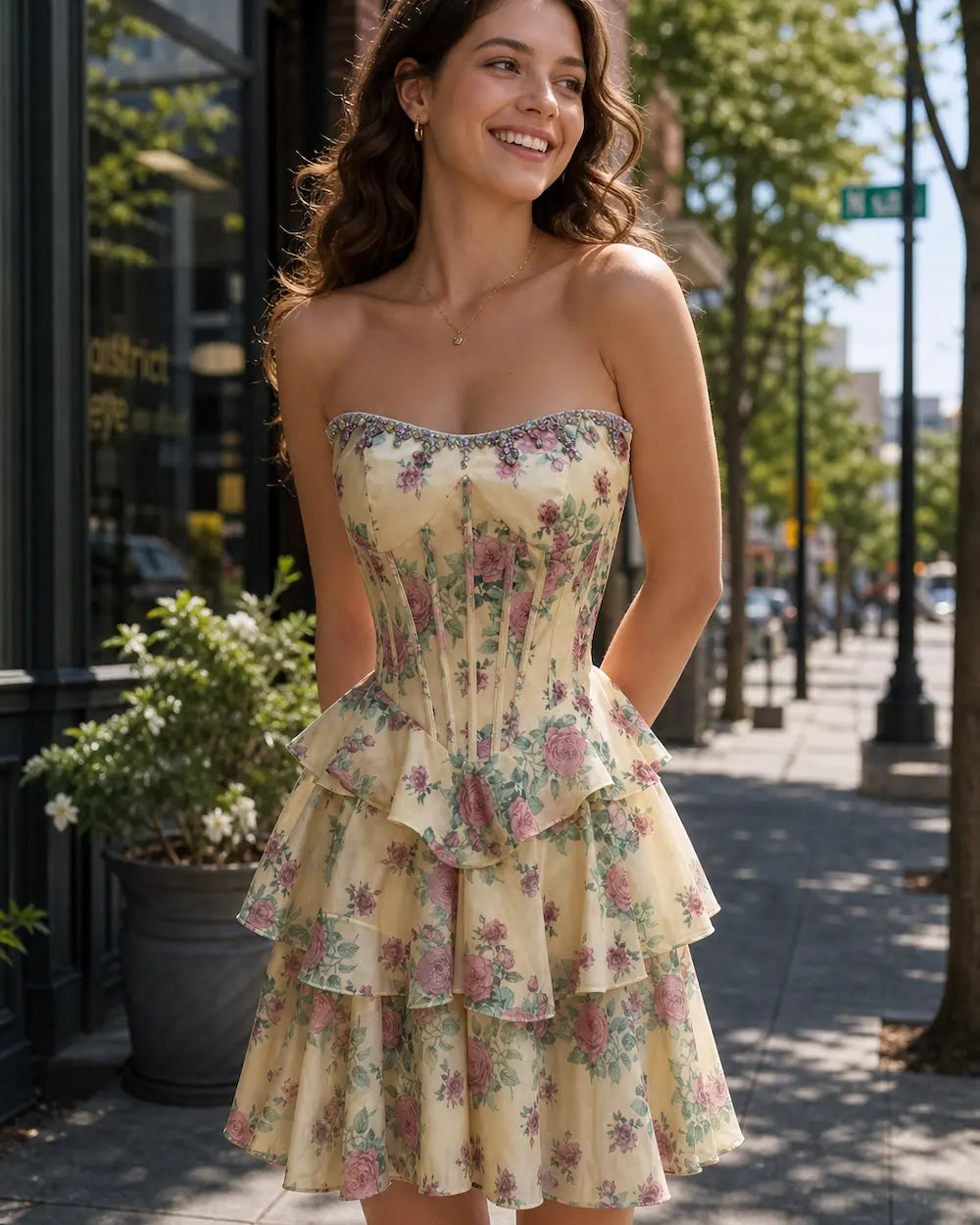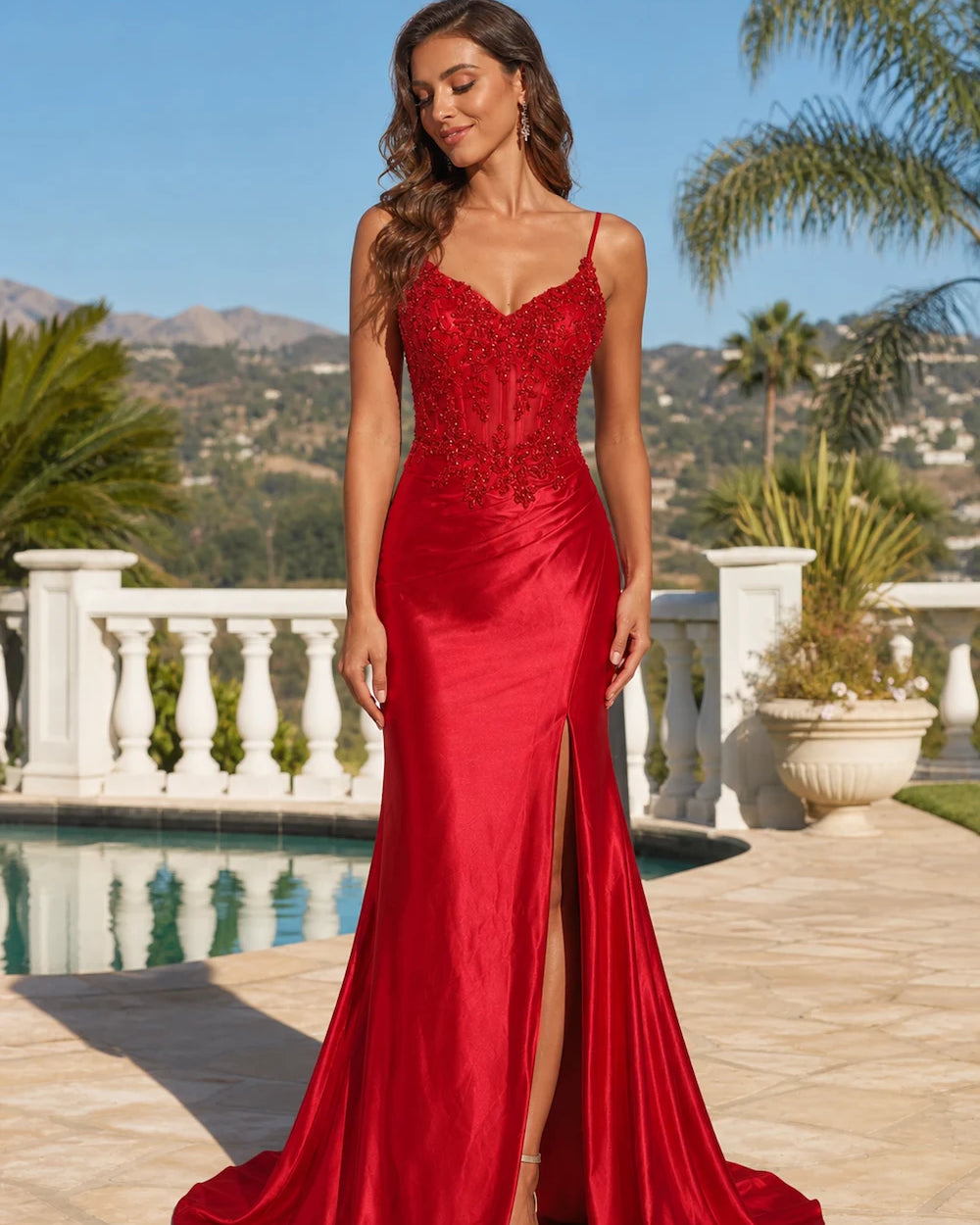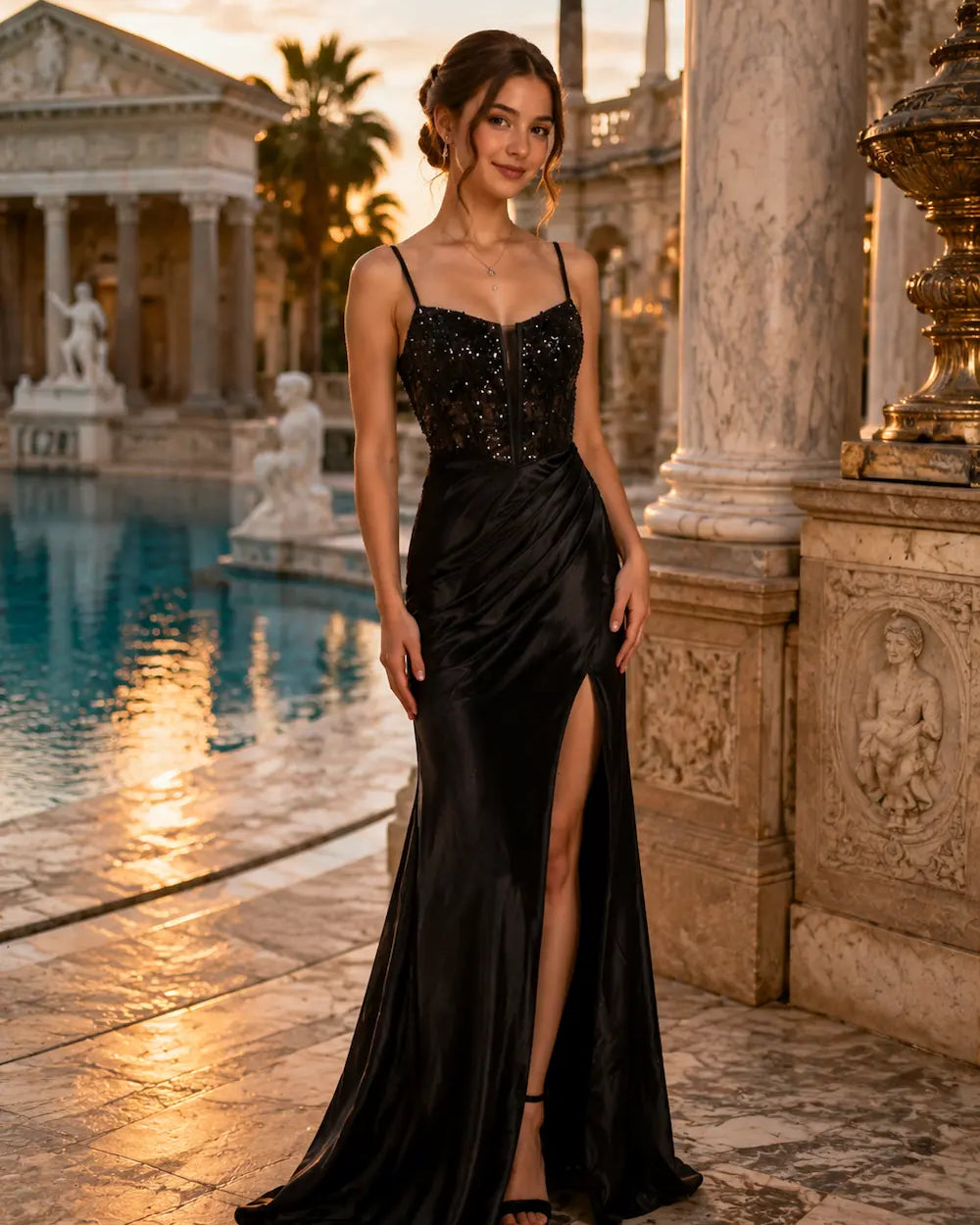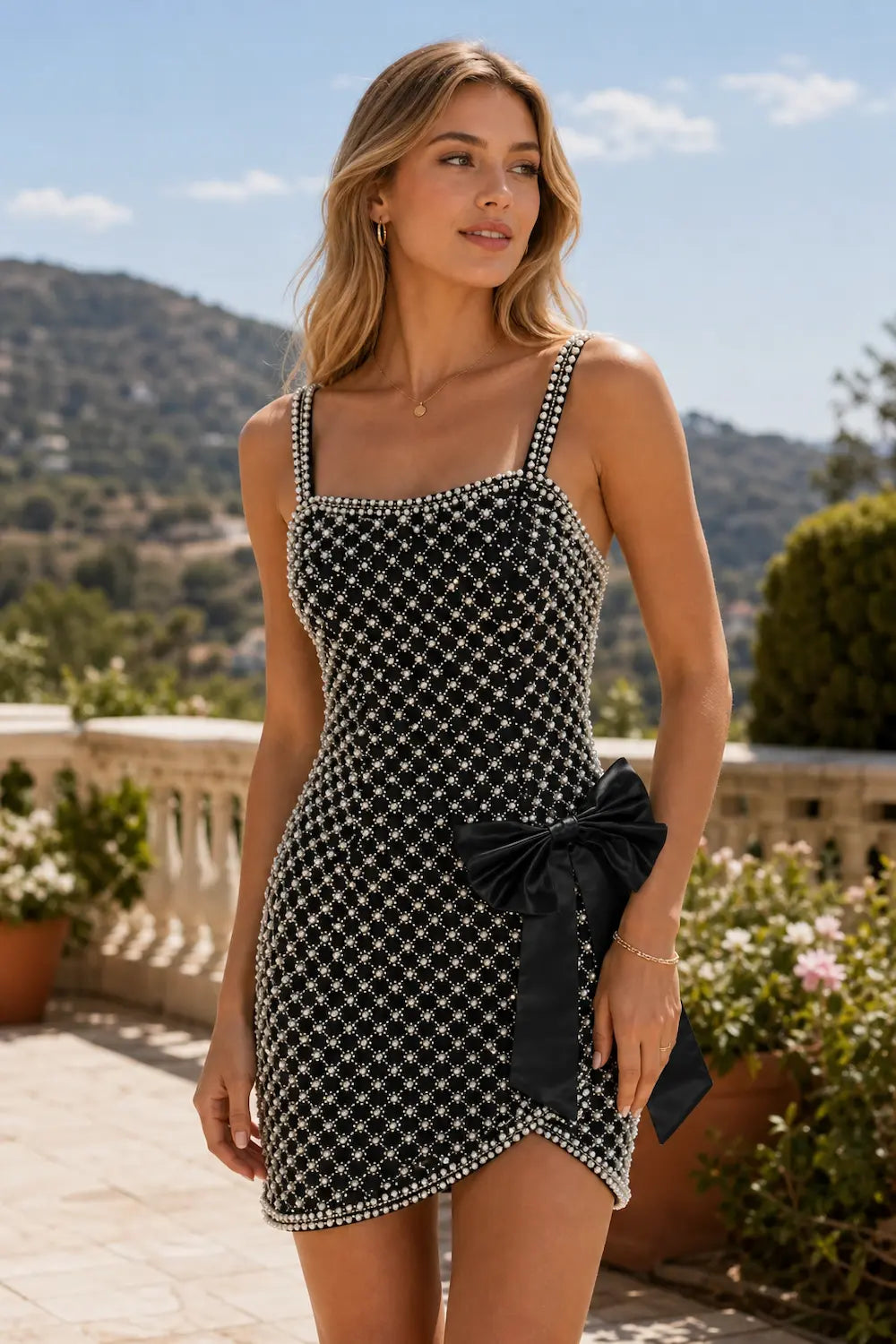


Selecting the perfect cocktail dress is a strategic balance between high-end elegance and social versatility. It’s the definitive attire for transitions—bridging the gap between daytime professional events and sophisticated evening celebrations.
This guide breaks down essential cocktail dress styles, lengths, and etiquette to ensure you navigate any semi-formal RSVP with confidence.
From choosing the right silhouette for your body type to mastering seasonal fabric choices, we provide the expert insights needed to curate a look that is as comfortable as it is polished.
Defining the Cocktail Dress: Elegance Meets Versatility

At its core, a cocktail dress is defined by its length and adaptability. Falling typically from just above the knee to mid-calf (midi), it serves as the essential middle ground between casual daywear and floor-length evening gowns. This silhouette is designed for semi-formal events, prioritizing a polished look that remains comfortable enough for hours of mingling and movement.
Essential Cocktail Silhouettes for Every Wardrobe
Rather than a one-size-fits-all approach, the modern cocktail aesthetic relies on four signature styles:
The A-Line Dress: A universal favorite that offers a cinched waist and a flared skirt, perfect for balancing proportions.
The Wrap Dress: Known for its adjustability and effortless chic, this style highlights the silhouette with a timeless, feminine drape.
The Sheath & Fitted Dress: A sleek, body-skimming option that radiates professional elegance, ideal for corporate mixers.
Textured & Embellished Styles: For events requiring extra flair, look for subtle lace overlays, sequins, or satin accents that catch the light without overpowering the room.
Mastering Proportions: Choosing the Ideal Hemline

The length of a cocktail dress dictates the "vibe" of your look. While the standard range is narrow, choosing between a shorter or longer hemline is a strategic decision based on the event's formality and your personal style goals.
Short Cocktail Dresses: Energy and Mobility
Typically hitting above the knee, short dresses are the go-to for lively, high-energy gatherings.
Best For: Lively social mixers, holiday parties, or upbeat after-party events.
Youthful, approachable, and designed for maximum movement—perfect if you expect to be on the dance floor or moving through a crowded room.
Knee-Length and Midi Dresses: Timeless Sophistication
Falling at or slightly below the knee, these lengths are the gold standard for refined events.
Best For: Wedding cocktail hours, formal dinners, and corporate networking events.
Polished and professional. A midi cocktail dress offers a statuesque elegance that commands respect while still allowing for effortless socializing.
For multi-stage events, consider the "Two-Stage" strategy: Start with a sophisticated midi-length dress for the ceremony or formal dinner, then transition into a shorter, playful silhouette for the late-night celebration.
Color Palettes and Textures: Setting the Mood
The visual impact of your cocktail attire is determined by how the color reflects the occasion and how the fabric captures the light. Choosing the right combination ensures your look is both photogenic and appropriate for the venue’s atmosphere.
Timeless Hues: The Power of Heritage Colors
Certain shades never lose their social currency. Black, navy, deep red, and emerald remain the gold standard for formal cocktail dresses. These jewel tones are universally flattering and offer a sophisticated canvas that is easy to accessorize, ensuring you look polished in any lighting.
Contemporary Palettes: Modern Statements
For events that allow for more personality, modern styling leans toward a mix of soft optimism and high-shine energy.
Soft Pastels & Mint Green: Ideal for daytime weddings, garden parties, or spring celebrations.
Bold Metallics & Vibrant Pinks: Perfect for high-energy evening parties where you want to make a confident statement.
Balance bold hues with neutral or metallic accessories to maintain a curated, expensive-looking aesthetic.
Luxury Fabrics: Defining the Silhouette
The texture of your dress dictates its formality and season:
Satin, Silk, and Velvet: These high-luster fabrics offer a structured, premium finish—best suited for evening galas or winter events.
Chiffon and Lace: These lightweight, breathable materials provide a soft, romantic appeal, making them the preferred choice for outdoor or summer occasions.
Sequins and Metallic Threads: For festive gatherings or charity events, these materials provide the necessary evening sparkle to stand out in dim, ambient lighting.
The Art of Accessorizing: Finishing Your Cocktail Look
Accessories are the punctuations of your style statement. The goal is to complement your cocktail dress without competing with its silhouette, ensuring a cohesive aesthetic from head to toe.
Elevate Your Footwear
Modern elegance balances height with stamina. Choose strappy sandals for a light, social feel, or opt for pointed-toe pumps and block heels to ensure comfort during long networking events.
Carry a Structured Mini-Bag
Cocktail settings require hands-free ease. Swap oversized totes for a structured clutch or minimalist mini-bag, keeping your essentials close without disrupting the clean lines of your outfit.
Apply the Focal Point Rule
Maintain visual balance by choosing one statement piece. If your dress is bold or sequined, keep jewelry subtle. For a minimalist Little Black Dress, use a single striking piece to define your look.
Align Beauty with Texture
Match your hair and makeup to your fabric. Sleek styles complement high-luster satin, while soft, natural waves pair perfectly with the romantic textures of lace and chiffon.
Tailoring for Confidence: Fit Considerations by Silhouette

A perfect cocktail outfit is defined by how the cut harmonizes with your natural proportions. Use these strategic styling cues to ensure your dress creates a balanced and statuesque presence.
How to Define the Midsection for Apple Shapes
Focus on drawing the eye to your strengths. V-necklines and hemlines that emphasize the legs are your primary tools. An A-line skirt is particularly effective for creating a balanced, tapered waistline while offering a fluid, comfortable fit.
Balancing Proportions for Pear-Shaped Silhouettes
Balance a wider lower body by adding visual interest to the shoulders and neckline. Opt for structured bodices, boat necks, or embellished tops. Pairing these with a fluid, flared skirt creates a sophisticated, proportional silhouette.
Accentuating Symmetry for Hourglass Figures
Your goal is to highlight natural symmetry without overwhelming it. Wrap dresses and sleek sheath styles are designed to follow your curves and showcase a defined waist, making them the gold standard for this body type.
Elongating the Line for Petite Frames
To maximize height, prioritize shorter hemlines and monochromatic color schemes that create a continuous vertical line. Avoid excessive ruffles or heavy volume that can "swallow" a smaller frame, keeping the focus on a streamlined look.
Mastering Proportions for Tall Silhouettes
You have the luxury of experimenting with hemline variety. Midi-length dresses are particularly flattering, and using bold, waist-defining belts can help break up a long torso to ensure perfectly balanced proportions.
Never underestimate the power of professional tailoring. A minor adjustment to the hem or waist can elevate a standard-fit dress into a custom-made masterpiece that perfectly enhances your silhouette.
Seasonal Adaptability: Mastering the Environment
An elegant cocktail outfit must respond to its setting. Here is how to balance style with the thermometer across different seasons.
What to Wear for Winter Cocktail Events
Winter requires a balance of warmth and high-end texture. Opt for long-sleeved silhouettes or heavy-weight fabrics like velvet that offer natural insulation. For transitions, a structured chic shawl or tailored overcoat is essential, ensuring your outerwear remains as curated as the dress beneath.
Spring Garden Party and Wedding Attire
Versatility is key for spring garden parties and wedding cocktail hours where temperatures fluctuate. Lean into chiffon or light silks that move beautifully in the breeze. A light pashmina or silk wrap handles the cooling evening air without adding bulk to a romantic, airy aesthetic.
Summer Outdoor Cocktail Party Styles
For high-heat evening events, prioritize sleeveless or off-shoulder cuts in breathable, natural fabrics. To stay comfortable while mingling, keep accessories minimal and choose airy footwear like strappy sandals, which prevent overheating while maintaining a polished, upscale edge.
Autumn Evening Event Styling Tips
Autumn calls for more structure and richer tones. Use medium-weight fabrics that complement the seasonal light, such as jewel tones or metallic accents. A light trench or sophisticated scarf is a necessary addition for evening transitions as temperatures drop after sunset.
Social Etiquette: Mastering the Cocktail Dress Code

The essence of cocktail attire lies in its versatility. It is a dress code designed to bridge the gap between daytime professionalism and evening elegance, requiring a keen sense of social balance.
Understanding the Semi-Formal Standard
A cocktail dress code signifies a refined middle ground. It demands a sophisticated silhouette that avoids the extremes of fashion: it is more polished than casual sundresses or denim, yet less restrictive than floor-length ball gowns. By mastering this balance, you ensure your look is appropriate for any high-end social setting, from gallery openings to celebratory dinners.
Dressing with Respect and Confidence
Choosing the right outfit is a powerful form of non-verbal communication. It shows a clear understanding of the event’s significance and respect for the host’s invitation. To navigate this successfully, focus on clean lines and quality fabrics that allow you to feel both confident and comfortable.
When your attire aligns with the social expectations of the room, you gain the freedom to focus entirely on the experience and the people around you.
Occasion Guide: Styling for Specific Scenarios
The versatility of a cocktail dress allows it to adapt to various social environments. Selecting the right version of this classic attire depends entirely on the event’s purpose and atmosphere.
Wedding Guest Cocktail Attire
For weddings, the goal is to look refined without overshadowing the occasion. Knee-length dresses in classic silhouettes or soft, romantic tones are the standard. This approach works seamlessly for both daytime ceremonies and evening receptions, ensuring you remain appropriately elegant throughout the entire celebration.
Professional and Corporate Event Styling
Business-related social events require a more disciplined approach to elegance. Stick to neutral tones or deep jewel colors and prioritize clean, minimalist lines. Avoid excessive sparkle or overly revealing cuts, focusing instead on professional sophistication that commands respect at a gallery opening or a corporate mixer.
Private Parties and Social Gatherings
When the setting is a private residence or an informal social club, you have more room for creative expression. Trendy colors, playful hemlines, and bold designs are perfectly acceptable. This is the ideal time to showcase your personal style while maintaining the polished edge that the cocktail dress code implies.
Holiday Parties and Charity Galas
Festive and philanthropic events often call for a higher level of glamour. This is where metallics, sequins, and rich textures like velvet truly shine. Aim for a look that captures the celebratory spirit of the season while maintaining a level of statuesque grace suitable for a high-profile fundraiser.
To maximize your wardrobe, choose a high-quality, versatile cocktail dress that can be transformed with different accessories. For multi-stage events, consider a "two-stage" approach: start with a tailored blazer for formal portions and remove it to reveal a more social-ready silhouette later in the evening.
Essential Cocktail Attire Tips

Is a short dress appropriate for a cocktail party?
Yes, short cocktail dresses are perfectly acceptable if they maintain an elegant aesthetic. Balance a shorter hemline with a modest neckline and high-quality fabric to ensure the look remains polished rather than casual.
Can I wear a cocktail dress to a professional work event?
A knee-length dress in neutral or jewel tones is ideal for professional gatherings. Focus on structured silhouettes and clean lines, avoiding excessive sparkle or revealing cuts to maintain a sophisticated, career-appropriate edge.
Exactly how formal is a cocktail dress code?
It is strictly semi-formal, sitting between casual daywear and black-tie gowns. To hit the mark, avoid denim or cotton sundresses, as well as floor-length ball gowns. The goal is refined elegance tailored for social interaction.
Is it acceptable to wear a long dress to a cocktail event?
While knee-length or midi is the standard, a sleek, long dress can work for evening charity galas. Ensure the style is fluid and modern rather than overly heavy or formal to avoid looking overdressed for the occasion.
What are the most versatile colors for cocktail attire?
Black, navy, and deep red are timeless choices that suit any season. For a modern touch, consider metallics or soft pastels, which offer a fresh look while remaining easy to accessorize for various social settings.
The Philosophy of Cocktail Elegance
The essence of cocktail attire lies in the art of balance. It is a thoughtful blend of social etiquette and personal expression, where true elegance is found in harmonizing refined tailoring with your individual narrative.
We believe that dressing well is a form of confidence. By prioritizing timeless silhouettes over fleeting trends, you ensure a presence that is both respectful of the occasion and authentically yours.