

Attending a black-tie wedding often raises more questions than expected. Unlike semi-formal or cocktail events, a black-tie dress code comes with clear expectations—especially regarding formal eveningwear.
Choosing the right outfit isn't just about looking elegant; it's about respecting the tone of the celebration and feeling confident in a high-stakes setting.
Whether the event is held in a grand ballroom or a historic venue, this guide breaks down everything you need to know, from dress length and fabric choices to the critical fashion mistakes you must avoid.
Decoding Black-Tie: What the Dress Code Really Means for Guests

The black-tie wedding guest dress code signals an evening of high-end elegance. Following this protocol is more than a fashion choice; it’s a gesture of respect for the hosts' vision. When an invitation specifies Black-Tie, the goal is a cohesive, polished look that matches the prestige of the ceremony.
Black-Tie Wedding Guest Attire for Women: Does It Have to Be Floor-Length?
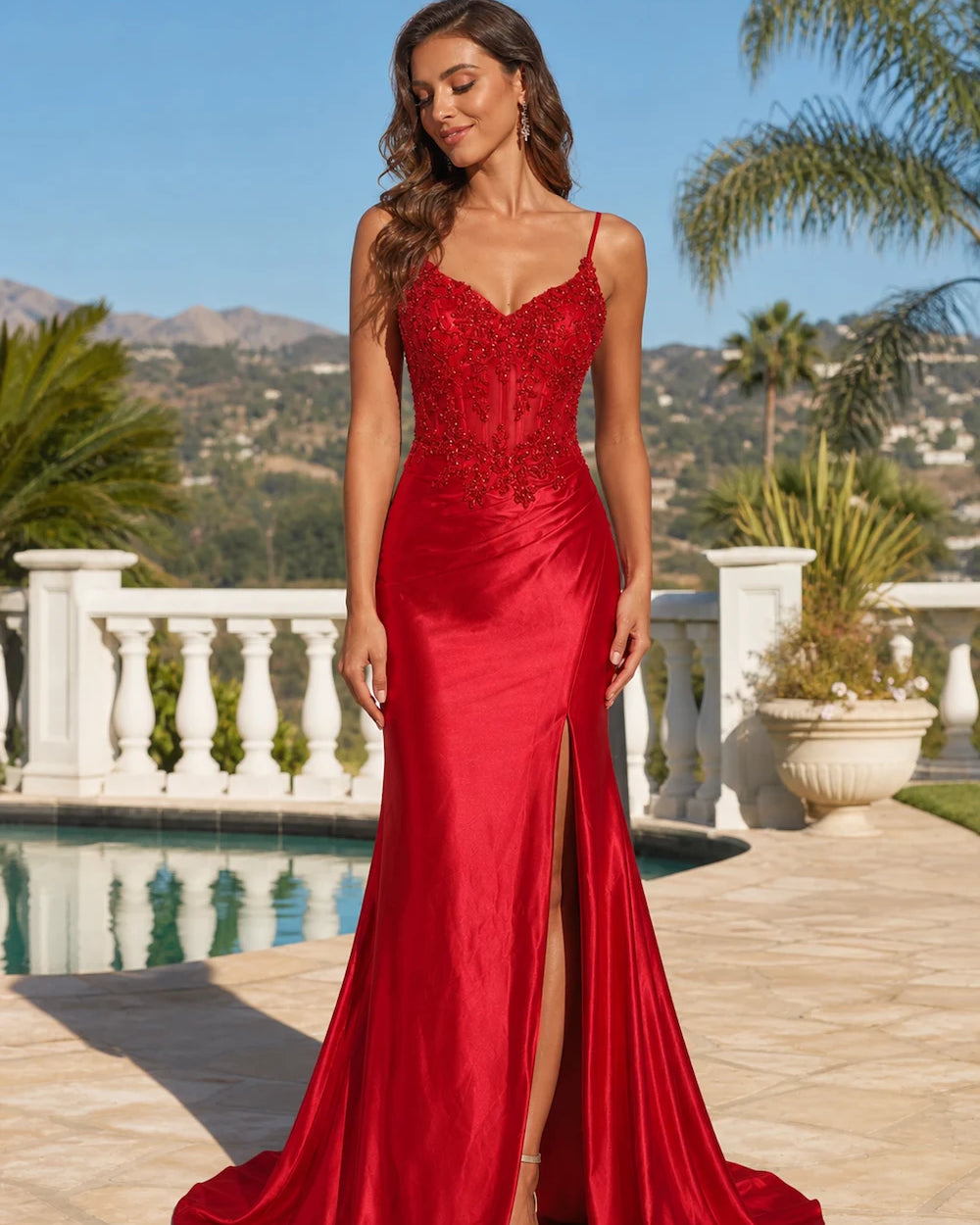
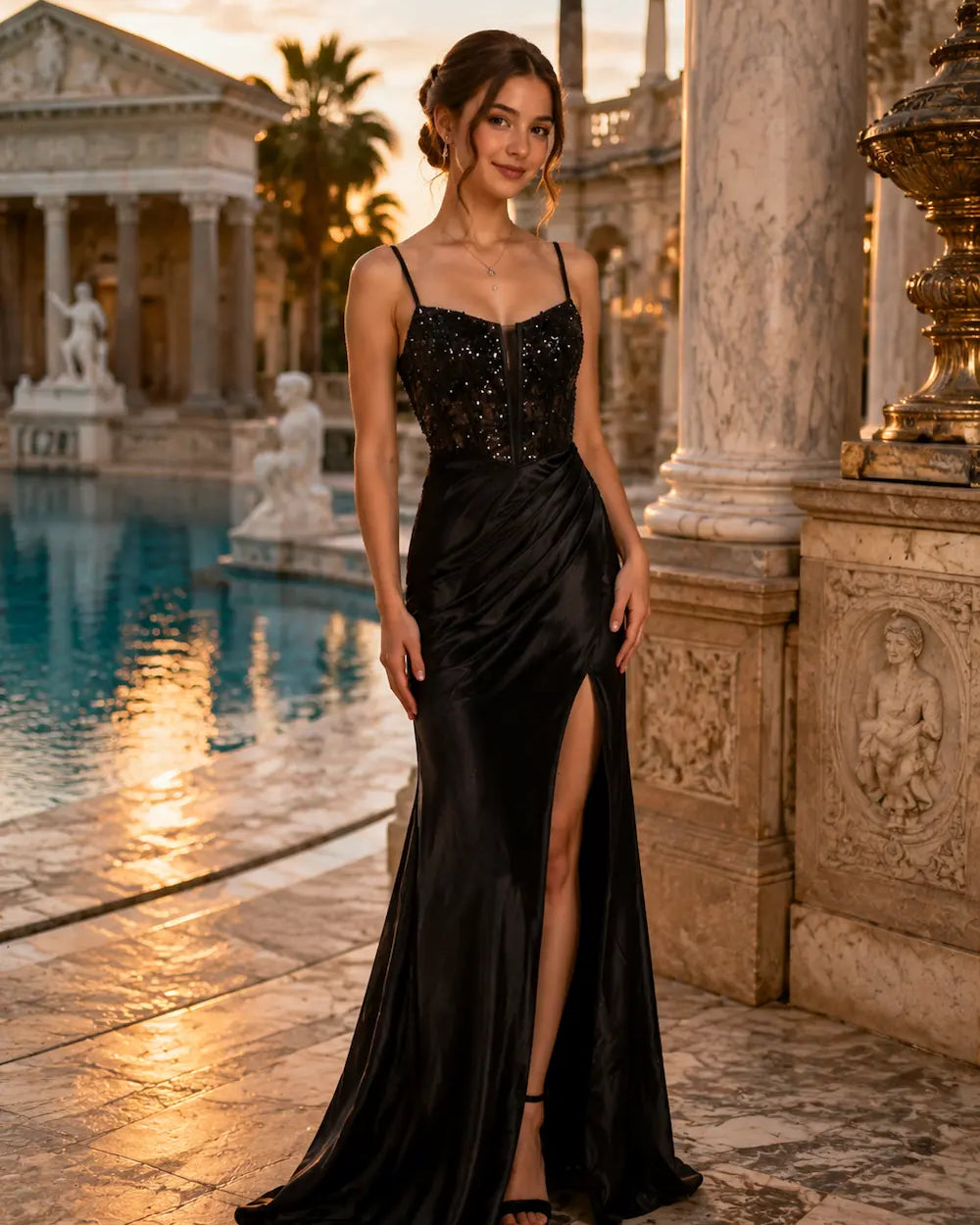
The most frequent question for this dress code is about length. To meet the black-tie standard, a floor-length evening gown is the industry expectation.
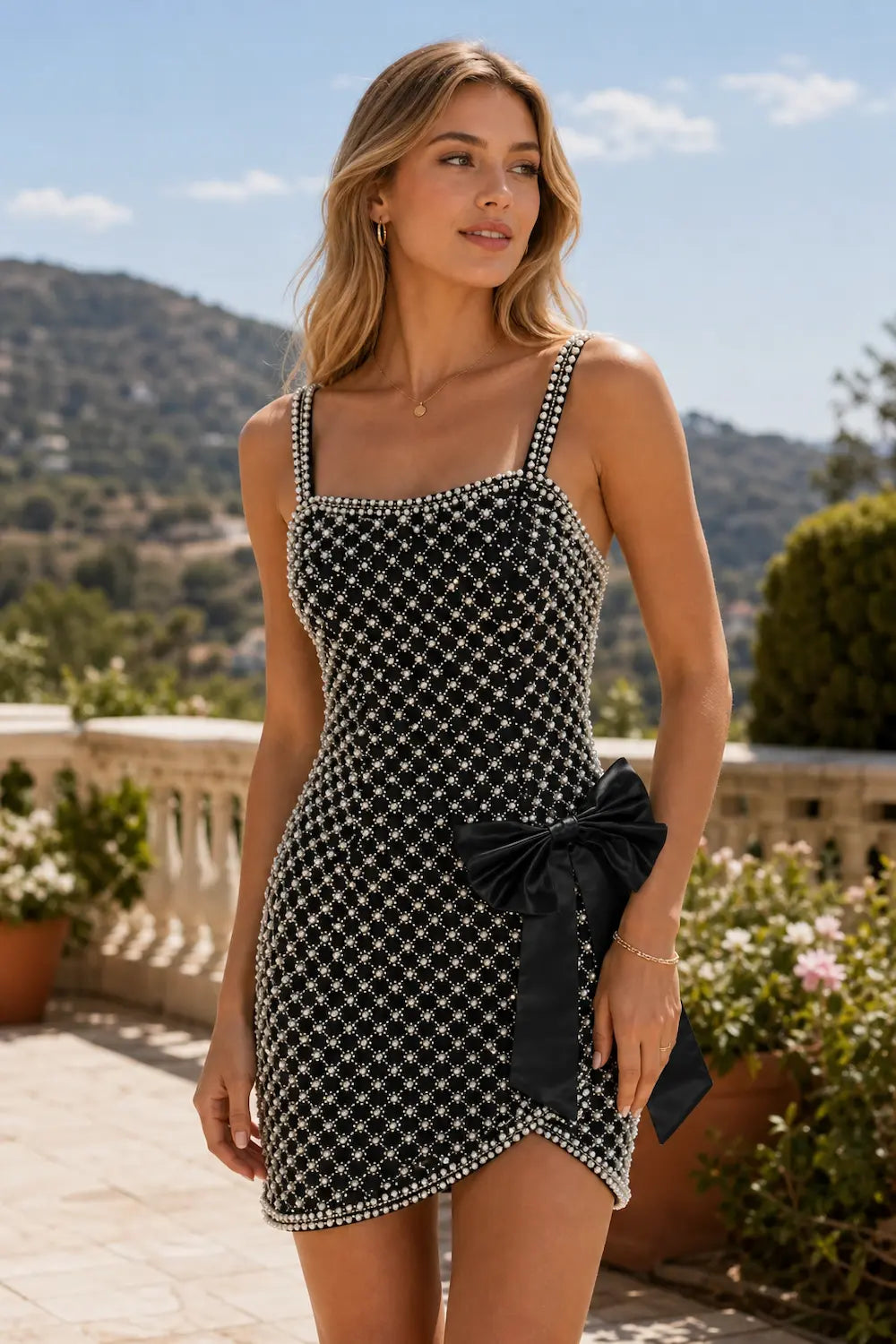
Unlike cocktail events where midi lengths are acceptable, black-tie requires a full-length silhouette. This is primarily because luxury venues and evening ceremonies are designed for the drama and grace of a sweeping hemline. A gown that touches the floor ensures you fit the aesthetic of a grand ballroom and maintains the formality that the hosts have requested.
What Should Men Wear to a Black-Tie Wedding? Understanding the Tuxedo Standard
Many guests wonder if a sharp dark suit is enough. However, a tuxedo (dinner jacket) is the mandatory anchor for men in this setting.
This uniform—characterized by satin or silk facings on the jacket’s lapels—creates a sophisticated visual consistency across the room. It distinguishes the celebration from a standard business formal event. Adhering to the tuxedo requirement is a key part of honoring the host’s request for a high-formality environment.
When Does the Black-Tie Dress Code Apply? Venues, Timing, and Etiquette
A common point of confusion is the timing. Black-tie etiquette is almost exclusively an evening protocol, typically starting after 6:00 PM.
The setting dictates the style. Events held in luxury ballrooms, grand libraries, or historic estates require structured silhouettes and premium fabrics. These materials are specifically designed to perform under evening lighting and candlelight, ensuring you look as good during the first dance as you did during the ceremony.
How to Choose the Perfect Black-Tie Wedding Guest Dress

Once you understand the rules, the next step is selecting a piece that balances elegance with the specific demands of the venue. Focus on high-quality construction and silhouettes that translate well from a ceremony to a formal reception.
The Best Silhouettes for Black-Tie Events
While floor-length is the requirement, the cut of the gown defines your overall style. For black-tie wedding guest attire, these four silhouettes are the most reliable for a polished look:
A-Line & Ball Gowns: These offer a classic, structured aesthetic that fits any grand venue.
Mermaid & Trumpet Styles: Perfect for a more modern, high-glamour appearance that highlights the figure.
Empire & Column Cuts: Ideal for a streamlined, sophisticated look that prioritizes effortless movement.
Elevated Prom Gowns: Many formal prom dresses work beautifully for black-tie weddings, provided they feature refined tailoring and avoid overly youthful embellishments.
Essential Fabrics: Identifying High-Formal Quality

The material of your gown is what separates a "sundress" from a formal evening dress. To ensure your look is calibrated for a luxury setting, look for these premium fabrics:
Structured Materials for Fall & Winter
Velvet and heavy Crepe are the premier choices for cooler months. They provide the necessary "weight" to look appropriate alongside heavy tuxedos and photograph beautifully in dimly lit ballrooms.
Fluid Fabrics for Spring & Summer
Satin, Charmeuse, and Silk offer a refined sheen that captures evening light. For outdoor black-tie ceremonies, high-quality layered Chiffon provides a lighter feel without sacrificing the formal floor-length requirement.
Color Etiquette and Styling Nuances
Selecting the right shade is as important as the fit. To maintain proper black-tie wedding etiquette, follow these color and detail guidelines:
The Reliable Palette: Deep jewel tones like emerald, navy, and burgundy are timeless. Black is also a sophisticated and widely accepted choice for modern evening weddings.
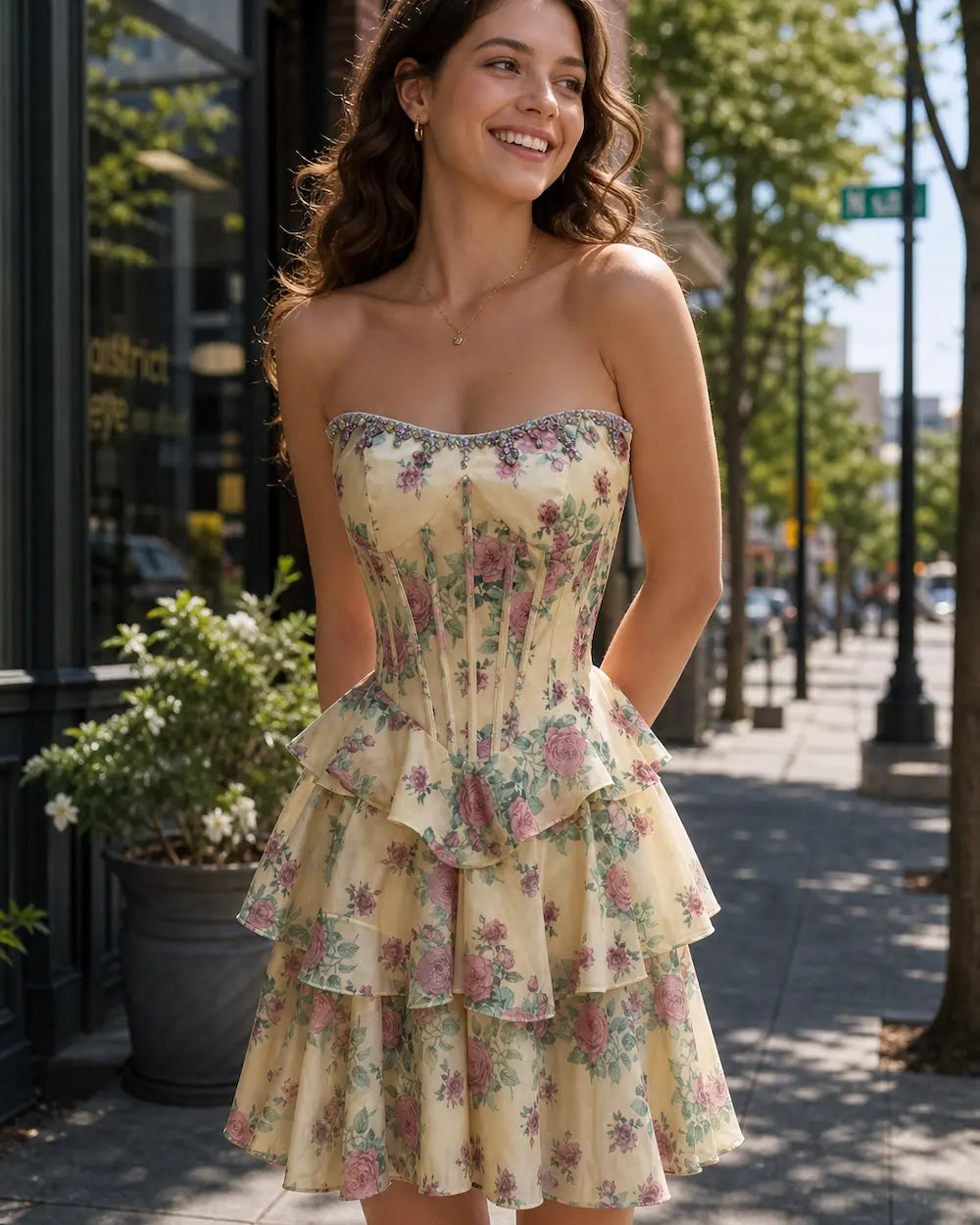
Shades to Avoid: Steer clear of white, ivory, or champagne to avoid competing with the bride. Similarly, neon colors or loud, busy prints often feel too casual for a black-tie environment.
Neckline & Coverage: Sweetheart, halter, and off-the-shoulder necklines are all standard. If the venue is a traditional church or historic estate, consider a matching wrap or shawl for the ceremony.
Navigating the Red Flags: Common Black-Tie Missteps to Avoid

Even the most stunning floor-length gown can be undercut by small, overlooked details. To ensure your look remains polished and respectful of the formal dress code, steer clear of these common fashion pitfalls:
The "Bridal Adjacent" Palette: It’s not just about avoiding pure white. Stay away from champagne, pale silver, or very light cream. In the flash of a photographer’s camera, these shades can wash out and look remarkably like bridal ivory—an etiquette faux pas you definitely want to avoid.
The Accessory Disconnect: A formal gown requires a cohesive finish. Pairing a luxury dress with a large everyday tote, a sporty plastic watch, or daytime wedges will immediately break the "Black-Tie" spell. Instead, lean into the "less is more" philosophy with a sleek evening clutch and refined jewelry.
The "Nightclub vs. Gala" Conflict: While we love a bold look, certain trends lean more toward clubwear than a wedding ballroom. Avoid overly aggressive cut-outs, sheer "naked" panels, or neon-colored sequins. If the dress feels more like a Saturday night in Vegas than a sophisticated celebration of love, it’s best to save it for another occasion.
The "Flimsy Fabric" Factor: In a room full of structured tuxedos and heavy silks, thin or unlined fabrics can appear overly casual or "cheap" under harsh evening lights. Ensure your gown has the weight and lining necessary to hold its shape throughout the night.
When in doubt, prioritize understated elegance. A clean, well-tailored gown in a rich jewel tone is not just a "safe" choice—it is a timelessly sophisticated one that guarantees you’ll look back at the wedding photos with zero regrets.
Venue & Season: Matching Your Look to the Setting
Your choice of black-tie wedding guest attire should adapt to the environment to ensure both comfort and style. For winter black-tie weddings, richer fabrics like velvet or heavy crepe are the standard for warmth and elegance.
Conversely, for a summer formal event, breathable satin or chiffon gowns are the go-to choices for staying cool.
Don’t forget the venue's impact on your footwear; if you’re attending an outdoor wedding, swapping thin stilettos for sophisticated block heels is the best way to navigate grass or gravel without compromising the dress code’s high standards.
How Early Should You Prepare a Black-Tie Wedding Guest Dress?
Planning ahead is essential. Ideally, begin searching for your dress several weeks in advance. This allows time for proper sizing, potential professional alterations, and thoughtful accessory selection. Waiting until the last minute often limits your options and increases stress—especially for formalwear that relies on a precise fit.
Frequently Asked Questions About Black-Tie Wedding Guest Attire

Do guests have to wear long dresses to a black-tie wedding?
Long dresses are strongly recommended, but a truly formal long dress with elevated fabric and structure can also be appropriate.
Is black always acceptable for a black-tie wedding?
Yes. Black is a classic and widely accepted choice, especially for evening weddings.
Can a formal evening dress work if it’s not labeled as a gown?
Absolutely. What matters most is the overall formality, construction, and styling—not the label.
How formal is “too formal” for a wedding guest?
As long as the dress is elegant and not bridal in color or style, refined formality is rarely an issue for black-tie events.
Dressing with Confidence for a Black-Tie Wedding
Black-tie weddings offer a chance to embrace timeless elegance. By focusing on proper length, quality fabrics, and thoughtful styling, guests can feel confident, comfortable, and perfectly dressed for the occasion. The right formal dress should enhance the experience—never distract from it.